Mostly about building products, healthcare tech, and lessons learned along the way.
Loading articles
From Contractor to Consultant: The Mindset Shift That Changes Your Income | Clint Johnson
From Contractor to Consultant: The Mindset Shift That Changes Your Income
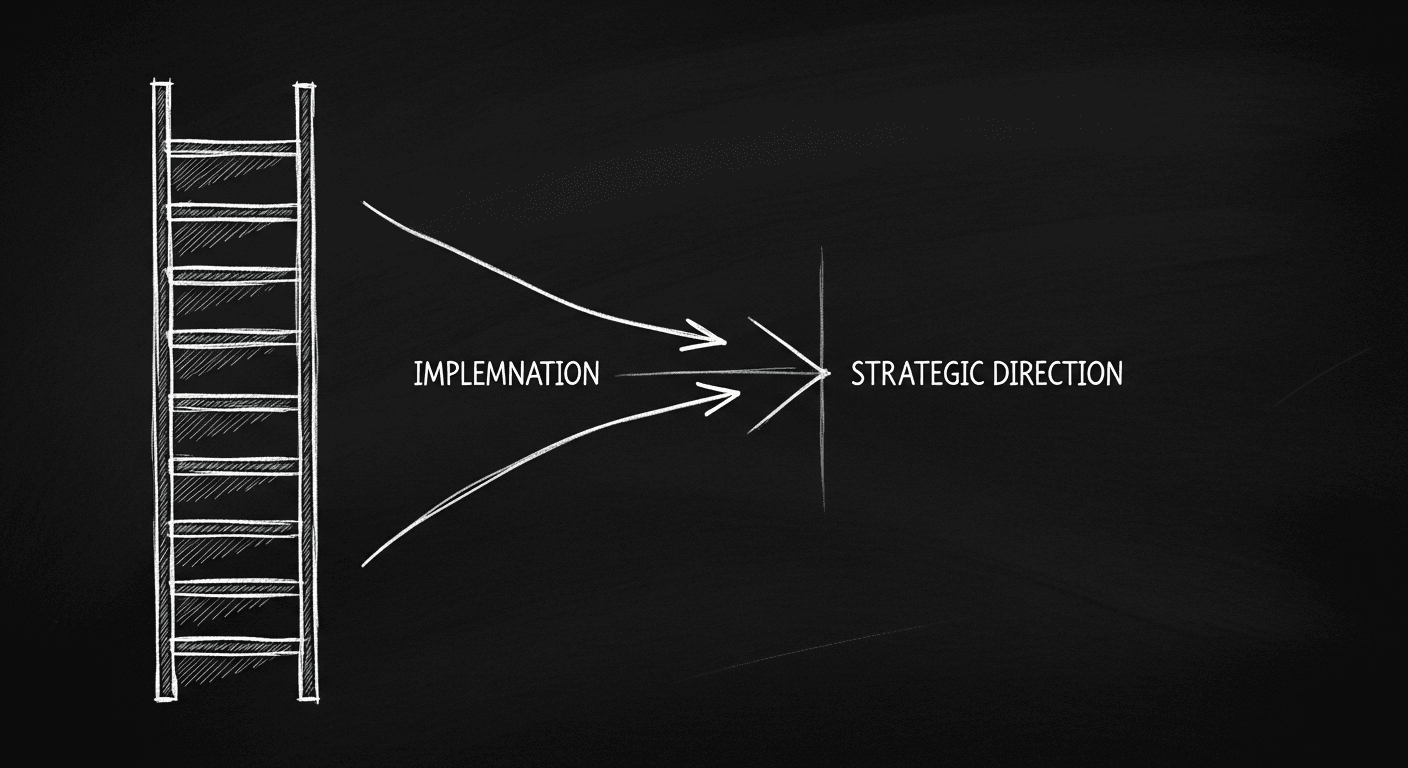
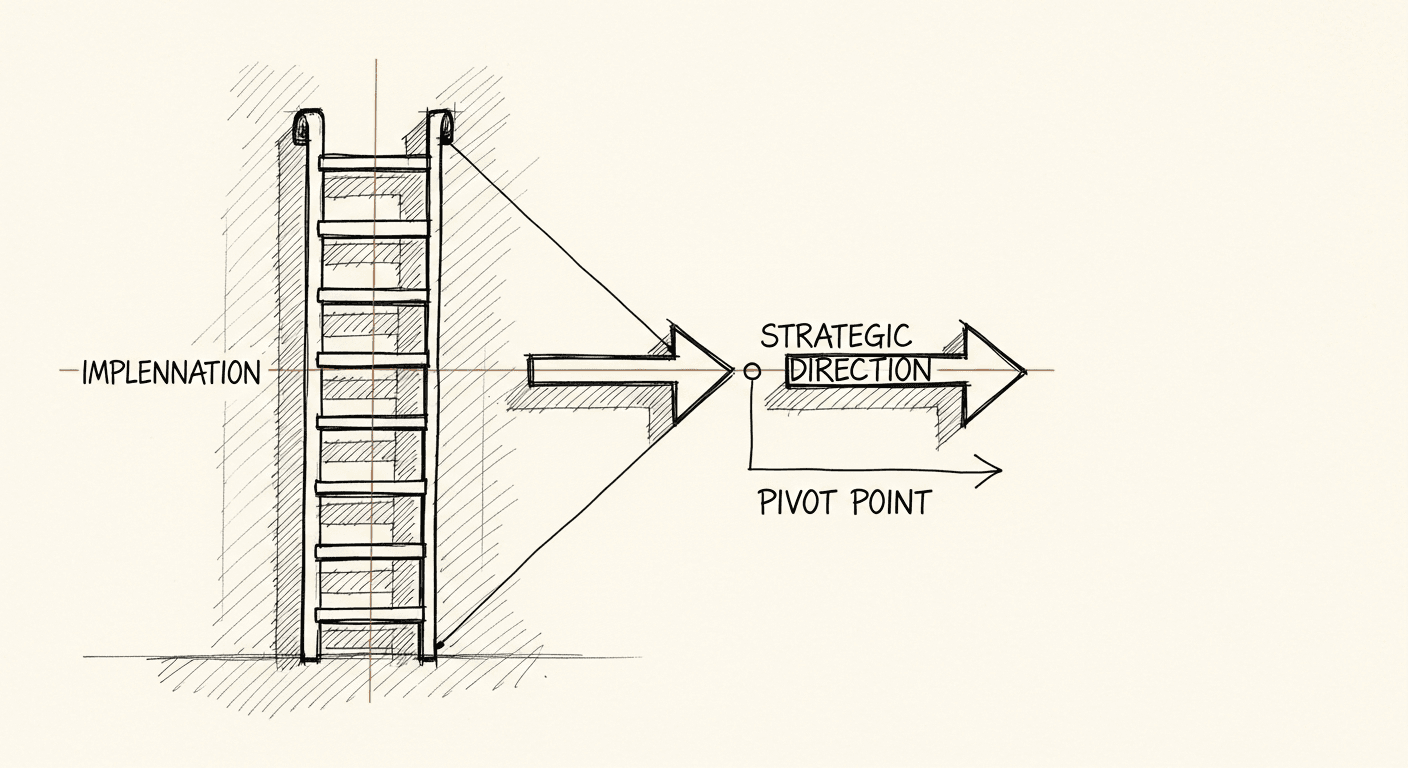
The shift from building to directing
It was a Tuesday afternoon, mid-engagement. A healthcare company had hired me to build a model that predicted patient no-shows. I'd been heads-down for three weeks — cleaning their scheduling data, iterating on features, getting validation metrics into shape. The work was good. I was proud of it.
Then their VP of Operations asked me a question I wasn't ready for: "Is this actually the right problem to be solving?"
She wasn't being difficult. She was being honest. Her real bottleneck wasn't no-shows — it was that their intake process was so broken that patients who did show up often waited 90 minutes before being seen, then left and never came back. The no-show rate was a symptom. The retention problem was the disease.
I'd spent three weeks solving the wrong problem. Expertly. On time. Under budget.
That was the moment I realized I was thinking like a contractor.
The Contractor Mindset vs. The Consultant Mindset
The difference isn't about rates or hours or whether you're on a W-2. It's about your relationship with the problem.
Contractors answer the question they're given. They scope carefully, execute faithfully, and deliver what was asked. This is not a knock — it's an honest description of a valuable service. If you're a great contractor, you're reliable, predictable, and efficient. Clients who need reliable and predictable will love you.
Consultants question whether the question is right. They show up, understand the situation, and sometimes tell the client they're asking for the wrong thing. This is uncomfortable. It slows things down at the start. It also produces dramatically better outcomes.
In AI specifically, this distinction matters more than in almost any other domain. Most organizations don't have a clear-eyed view of where machine learning can actually help them. They have a list of problems they've heard AI can solve — churn prediction, demand forecasting, anomaly detection — and they go looking for someone to build one. A contractor builds it. A consultant asks whether it's the right problem, whether the data exists to solve it, whether solving it would even change behavior, and whether there's a simpler intervention that would achieve the same business outcome at a tenth of the cost.
Nine times out of ten, the most valuable thing I've done in an AI engagement wasn't building the model. It was helping the client understand what problem was worth solving.
I help teams ship AI in production — audits, consulting, custom agents, and eval systems. Start with an AI Audit (from $5k) for an honest read on what to build.
The shift from contractor to consultant is not primarily about pricing, though pricing changes. It's about three things:
1. Your unit of value changes
Contractors sell time. Consultants sell outcomes. This sounds simple but has real teeth.
When you sell time, your incentive is to keep working — more hours means more revenue. When you sell outcomes, your incentive aligns with the client: get the right result as efficiently as possible, and move on. Clients feel this difference viscerally, even if they can't articulate it.
The practical implication: consultants scope engagements around specific, measurable outcomes. Not "build a demand forecasting model" but "reduce excess inventory by 15% within 90 days." Not "implement a churn prediction system" but "identify the 20% of customers most likely to churn within 30 days so the retention team can prioritize outreach." Outcomes you can state in a sentence. Outcomes someone will remember six months after you leave.
2. Your relationship with the client changes
Contractors maintain professional distance. You do your part; they do theirs.
Consultants earn the right to push back. That only happens if the client trusts you — not just as a technical resource, but as someone who has internalized their actual goals and isn't padding scope.
In practice, this means asking a lot of uncomfortable questions early. What decision will this system inform? Who controls that decision? What happens if the model is wrong? Has anyone done a back-of-envelope estimate on whether the lift from this model justifies its cost to build and maintain? I've walked out of scoping calls recommending that clients not build what they called me about. I've done it three times. All three turned into long relationships because the client understood I was there to help them succeed, not to bill hours.
3. Your credibility changes how you grow
Contractors grow by working more: more clients, more hours, bigger retainers.
Consultants grow through referrals and reputation, which compound in a way that hourly work doesn't. When you're known as the person who helped Company A understand that their AI strategy was solving the wrong tier of problem, Company A tells four other companies. When you're known as the contractor who built a solid model on time, you get a good review on your SOW. Both are real. Only one scales.
Making the Shift
If you're currently working as a contractor and want to move toward consulting, here's what matters:
Position around solved problems. Your website, your outreach, your conversations — all of it should lead with outcomes you've produced, not capabilities you have. "I help healthcare operations teams reduce avoidable readmissions using ML" is a consulting position. "Experienced ML engineer with 12 years in Python, PyTorch, and healthcare data" is a contractor resume. Both are true. Only one attracts the right conversations.
Stop hiding your opinion. Contractors are often trained to suppress their strategic judgment: the client knows what they want, your job is to build it. This is exactly backward for consulting. Your opinion on whether something is the right call is the product. Give it early, give it clearly, and be willing to defend it. If a client doesn't want your judgment, they don't want a consultant.
Price on value, not time. Value-based pricing requires a clear view of what the outcome is worth to the client — not what the work is worth to you. If reducing avoidable readmissions by 10% saves a health system $3M per year, and you can make a credible case that your engagement will get them there, the engagement is worth a meaningful fraction of $3M. That number has nothing to do with how many hours it takes you.
This feels uncomfortable if you've always billed hourly. It should. It requires confidence in your diagnosis, clarity about the outcome, and a client relationship strong enough to have an honest conversation about it. Those things take time to develop. Once you've done it once, though, the arbitrage between what the work is worth and what you were charging for your time becomes impossible to ignore.
Build a portfolio of outcomes, not a list of projects. Every past engagement has a "before" and "after" — you just have to find it. What metric moved? What decision changed? What did the team stop doing? Talk to former clients and ask. The answers are usually there; nobody bothered to write them down because contractors don't need them but consultants do.
The Specific Moment This Clicked
Back to that healthcare engagement. After the VP asked her question, I had two options.
Option one: tell her that's outside my scope, finish the no-show model, collect the final payment, and move on. That's the contractor move.
Option two: stop, acknowledge she was right, and spend a day doing a rapid diagnosis of the actual retention problem before going any further.
I did option two. We ended up pivoting the engagement entirely — instead of a predictive model, we built a lightweight operational dashboard that surfaced real-time queue data to the front desk team. No ML, no model. Just visibility the operators never had before. The engagement extended by six weeks and my total fee was 40% higher than the original contract, because we'd reframed it around actual outcomes rather than deliverables.
The VP became the best referral source I've ever had. She still sends me work.
The Honest Difficulty of This Shift
The transition from contractor to consultant is genuinely hard. It requires you to:
Turn down well-scoped, well-paying work that isn't the right work
Have uncomfortable conversations about whether what a client asked for makes sense
Price in ways that require real confidence in your own judgment
Build slowly, through referrals, rather than taking whatever comes inbound
There's also a risk most people don't talk about: you might be wrong about the problem. I've redirected engagements based on my diagnosis and gotten it right most of the time, but not every time. Owning that responsibility is different from delivering on a spec.
Twelve years in, having watched clients succeed and fail with AI investments, I can tell you that the biggest predictor of a good outcome isn't technical execution. It's whether someone asked the right question before the technical work started.