Articles
Mostly about building products, healthcare tech, and lessons learned along the way.
9 articles in Product.
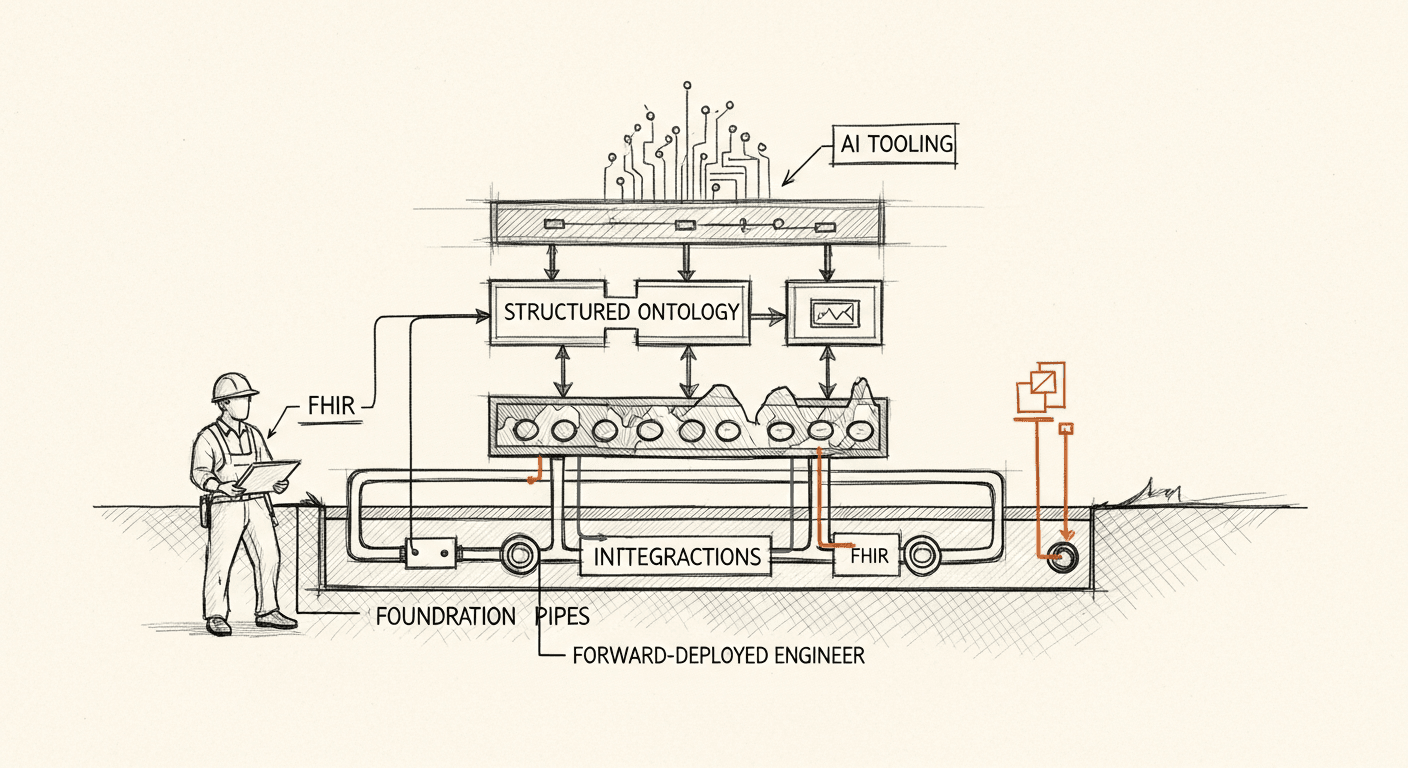
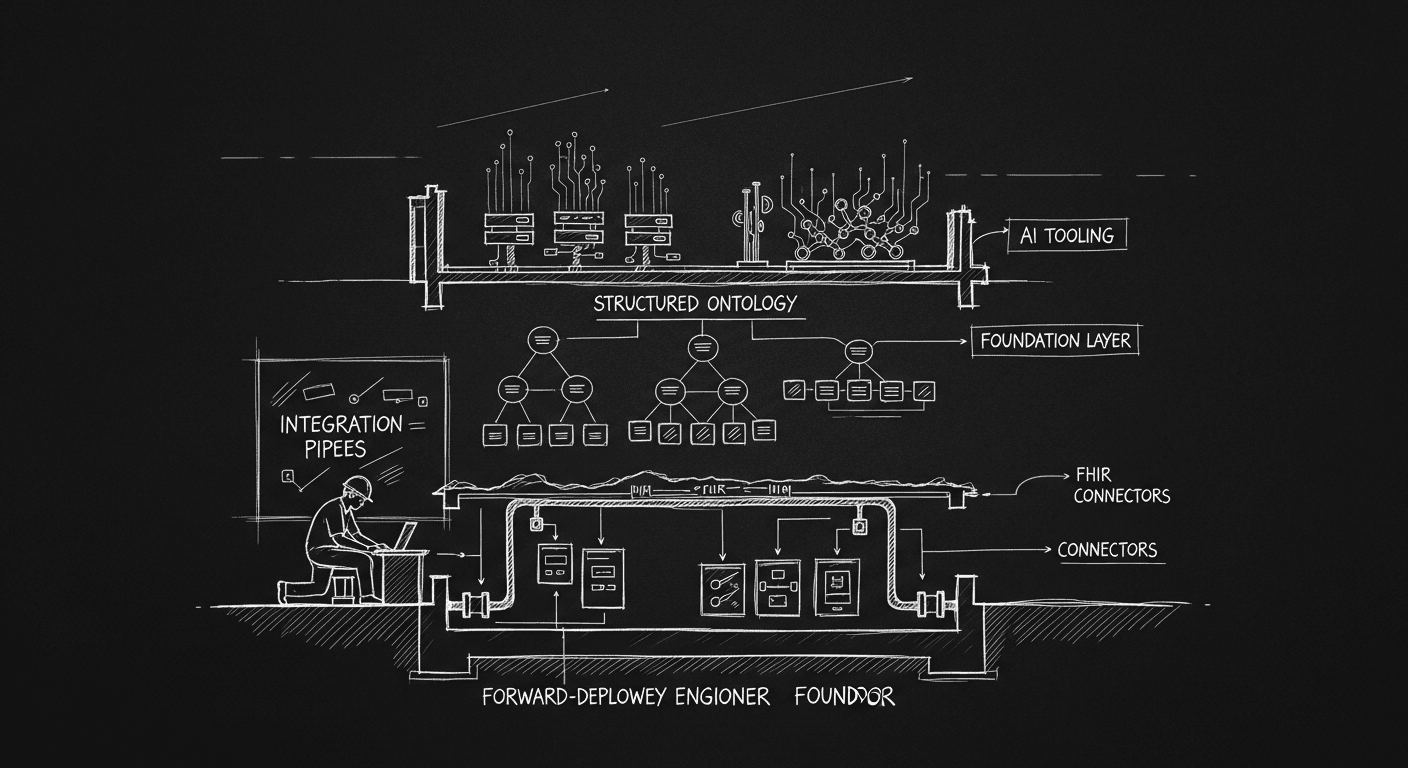
Most healthcare AI companies are failing for the same reason. The ones winning are running the same playbook: one Palantir figured out before anyone called it AI. Forward-deployed engineer. Ontology. Integrations. Then AI tooling.
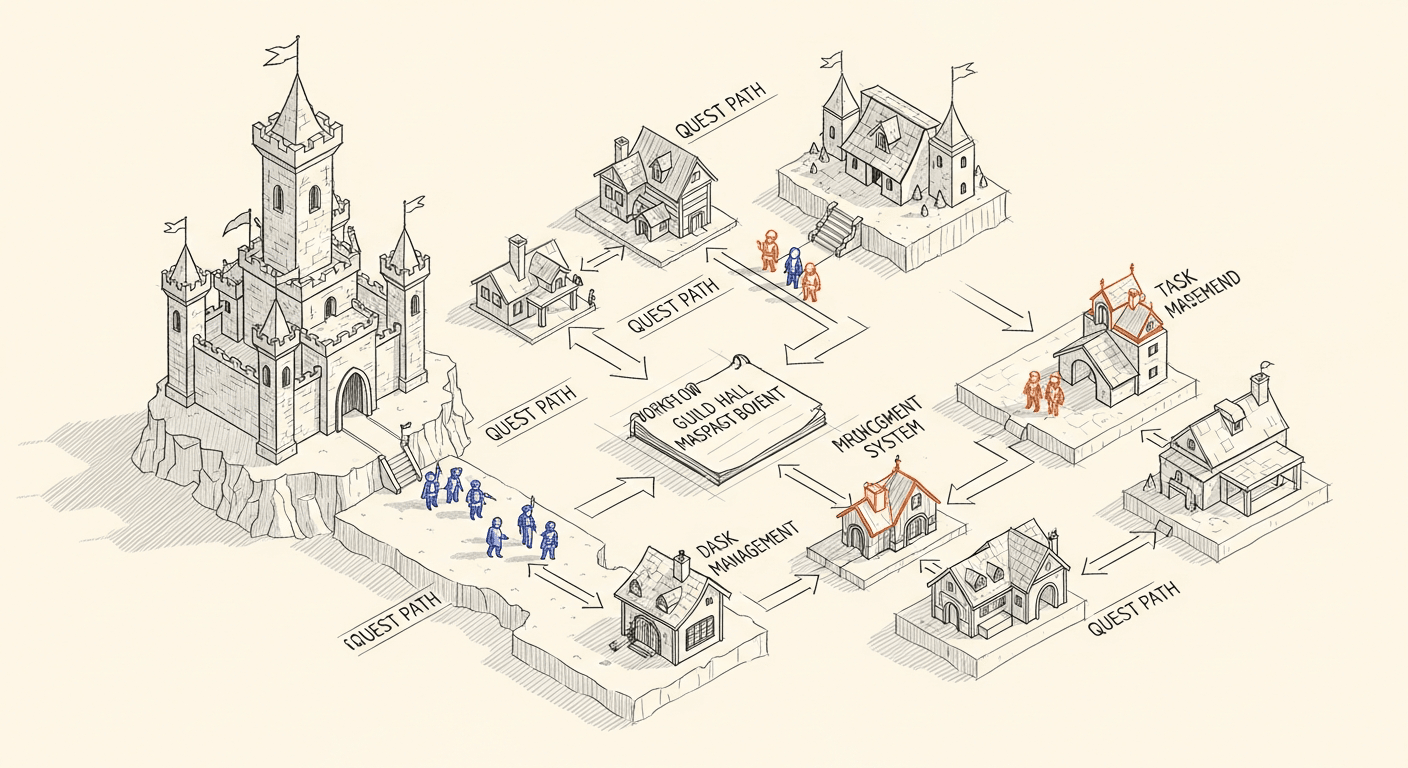
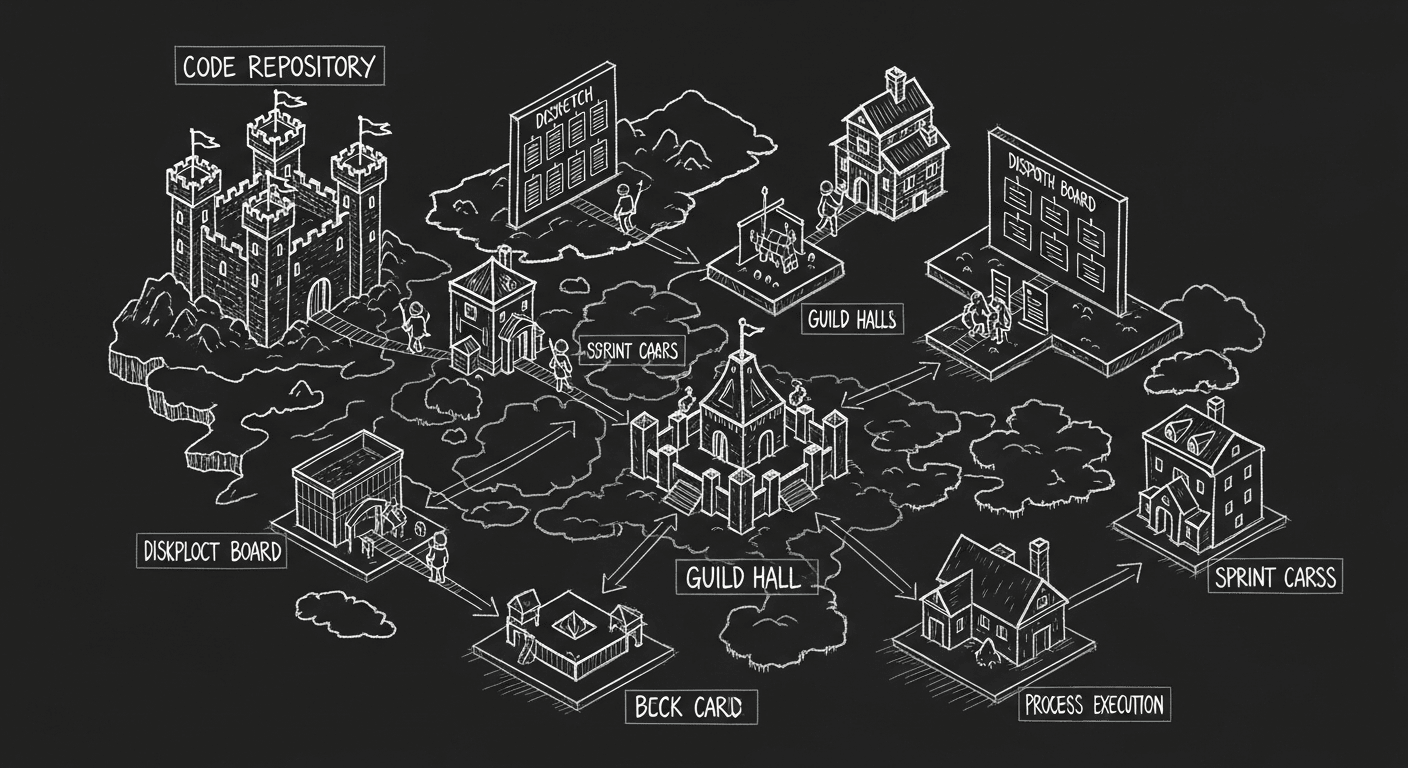
I built a tool that turns GitHub issues into pull requests using a three-agent pipeline. That's the boring part. The interesting part is what happens when you stop thinking about AI agents as productivity tools and start thinking about them as a workforce, and build a world for them to live in.
Most teams skip evals because the process feels overwhelming. The three steps that make eval-driven development achievable: label a small dataset, calibrate an LLM evaluator to human judgment, then iterate configs against the harness.

12 features shipped in a quarter. Zero meaningful metrics moved. AI products aren't software projects. The roadmap is a hypothesis board, not a delivery schedule, and treating it otherwise is expensive.

v0 just proved that English plus AI can replace traditional web development for most apps. That changes what it means to be a developer. An honest take on what shifts, what doesn't, and what to do about it.

Everyone asks 'how should we use GenAI?' The honest answer requires a harder question: does AI's unique capability create new value here, or is it just a more expensive way to do something that already worked? A practitioner's framework for getting this right in healthcare.

The same failure pattern shows up everywhere: teams shipping fast and iterating on vibes instead of building systematic evaluation. Evals aren't a nice-to-have. They're the core competency of any serious AI product team.

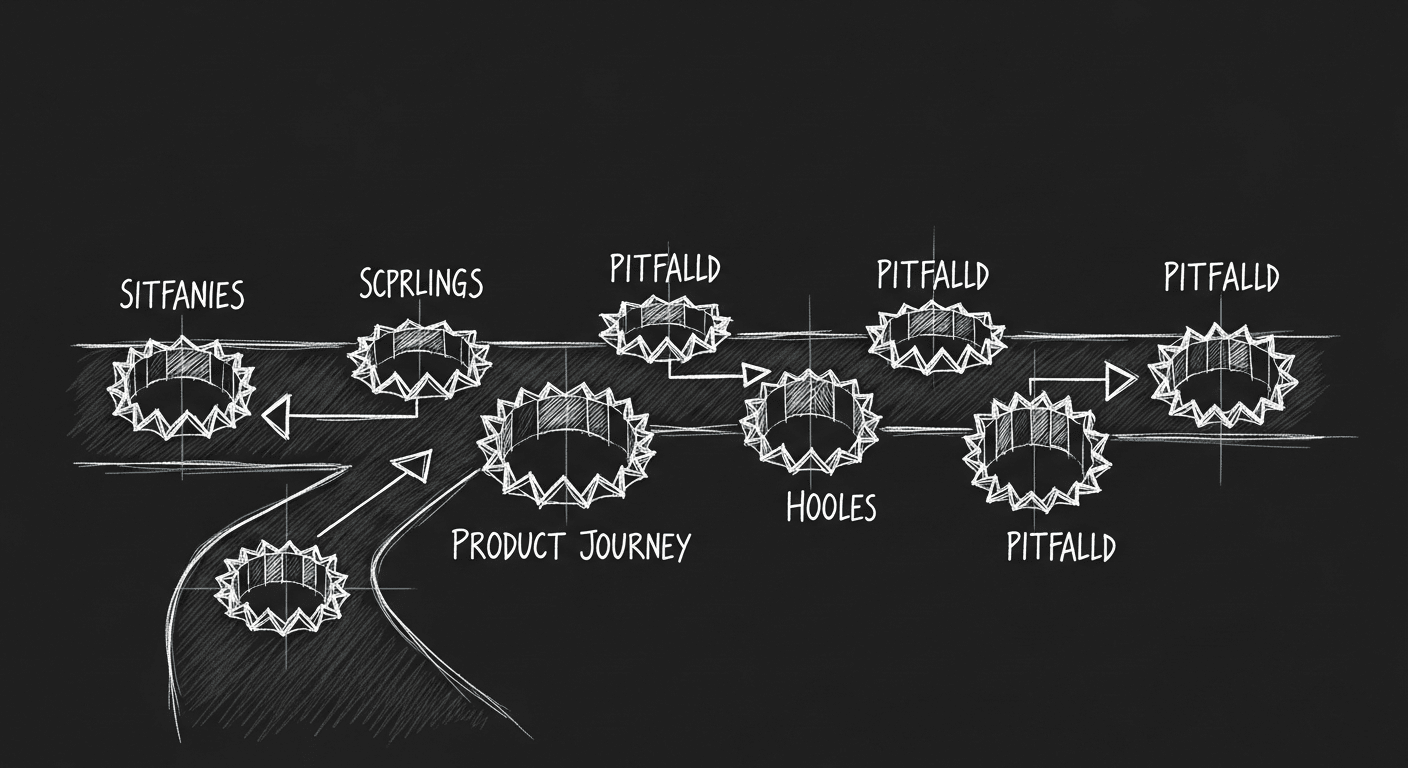
GenAI projects in healthcare go sideways in predictable ways, sometimes with real patient consequences. Six failure modes that come up over and over again, and what to do instead.

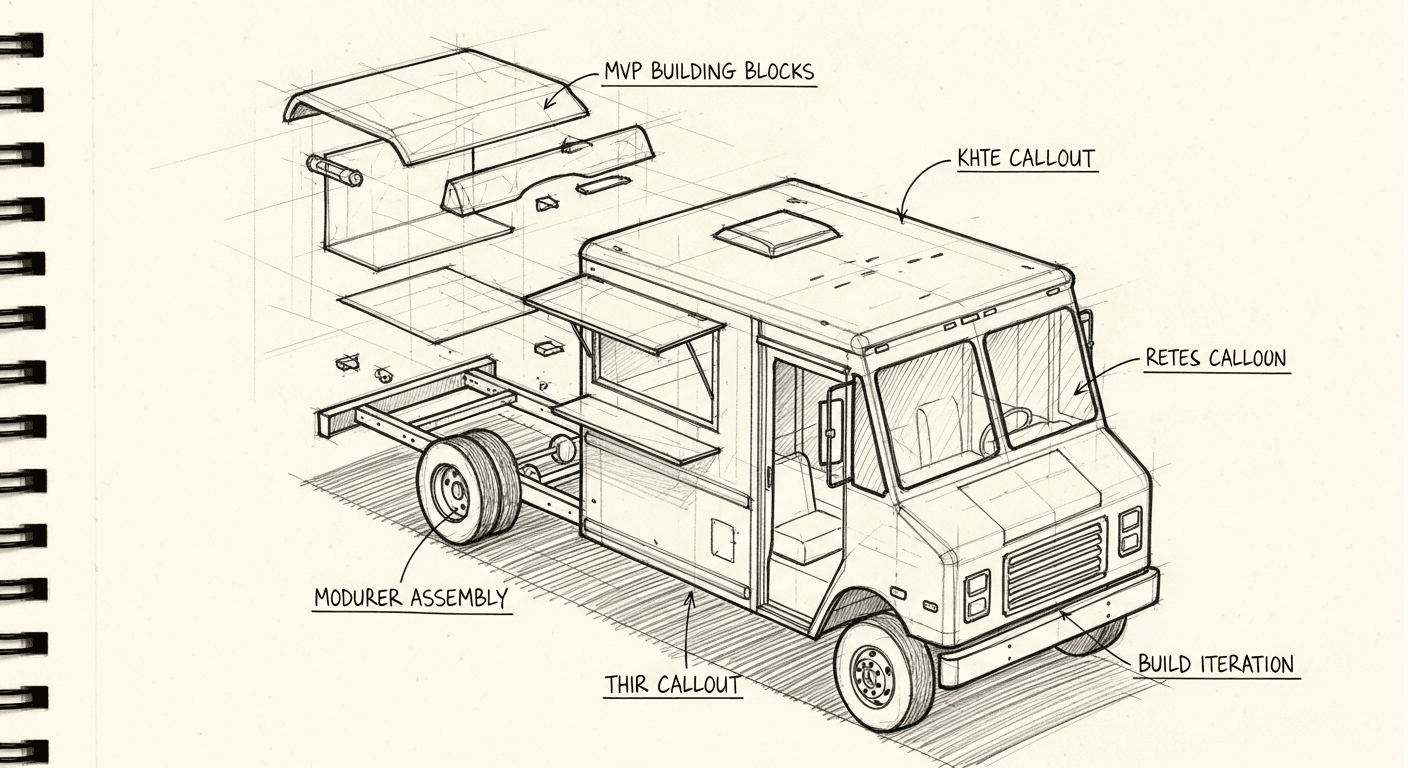
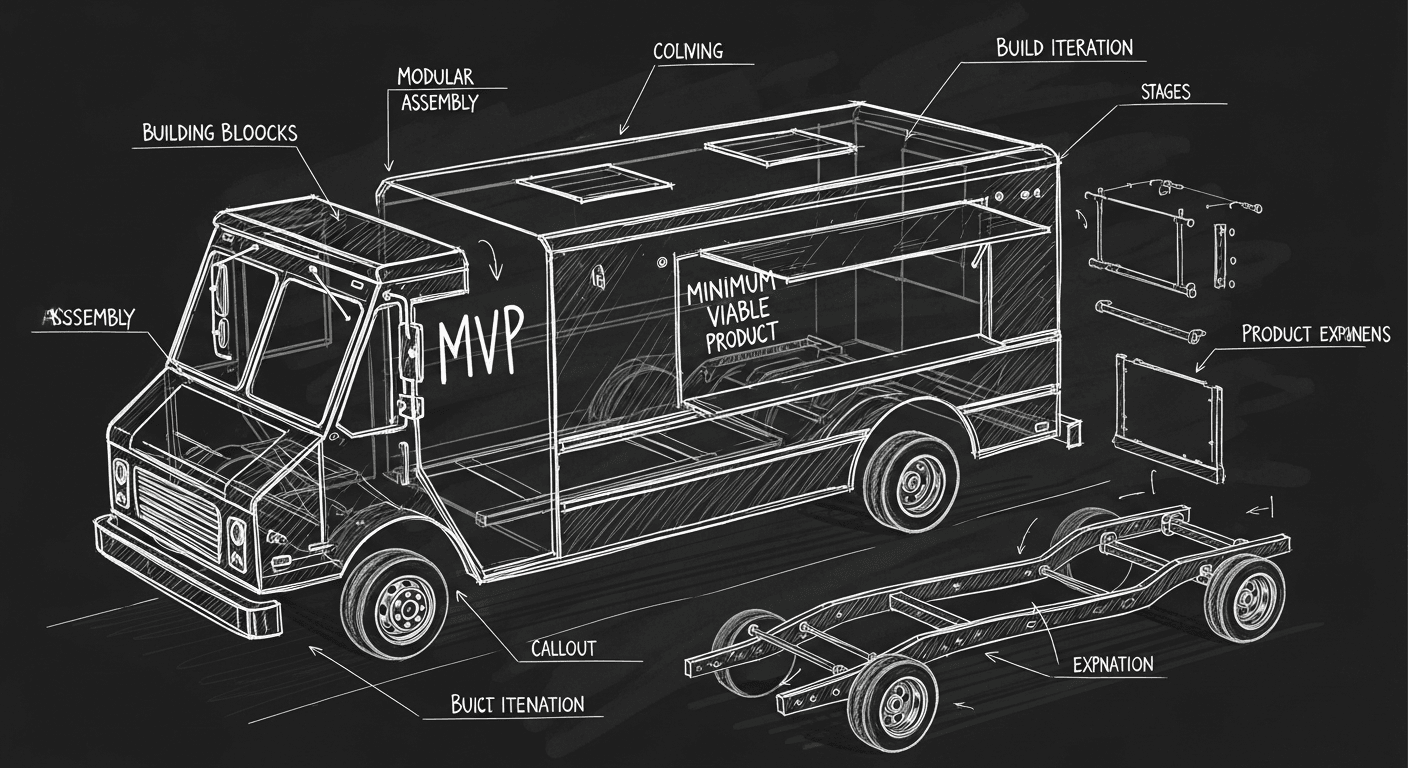
Most MVPs turn into dumpster fires not because teams move too fast, but because they move fast in the wrong direction. The food truck method for building without the regret.