Articles
Mostly about building products, healthcare tech, and lessons learned along the way.
Loading articles
Mostly about building products, healthcare tech, and lessons learned along the way.
Older posts from the archive.
Every resignation takes a piece of the organization nobody wrote down. Org charts capture hierarchy, not the relationship networks that keep things running. A different approach to preserving institutional knowledge before it walks out the door.
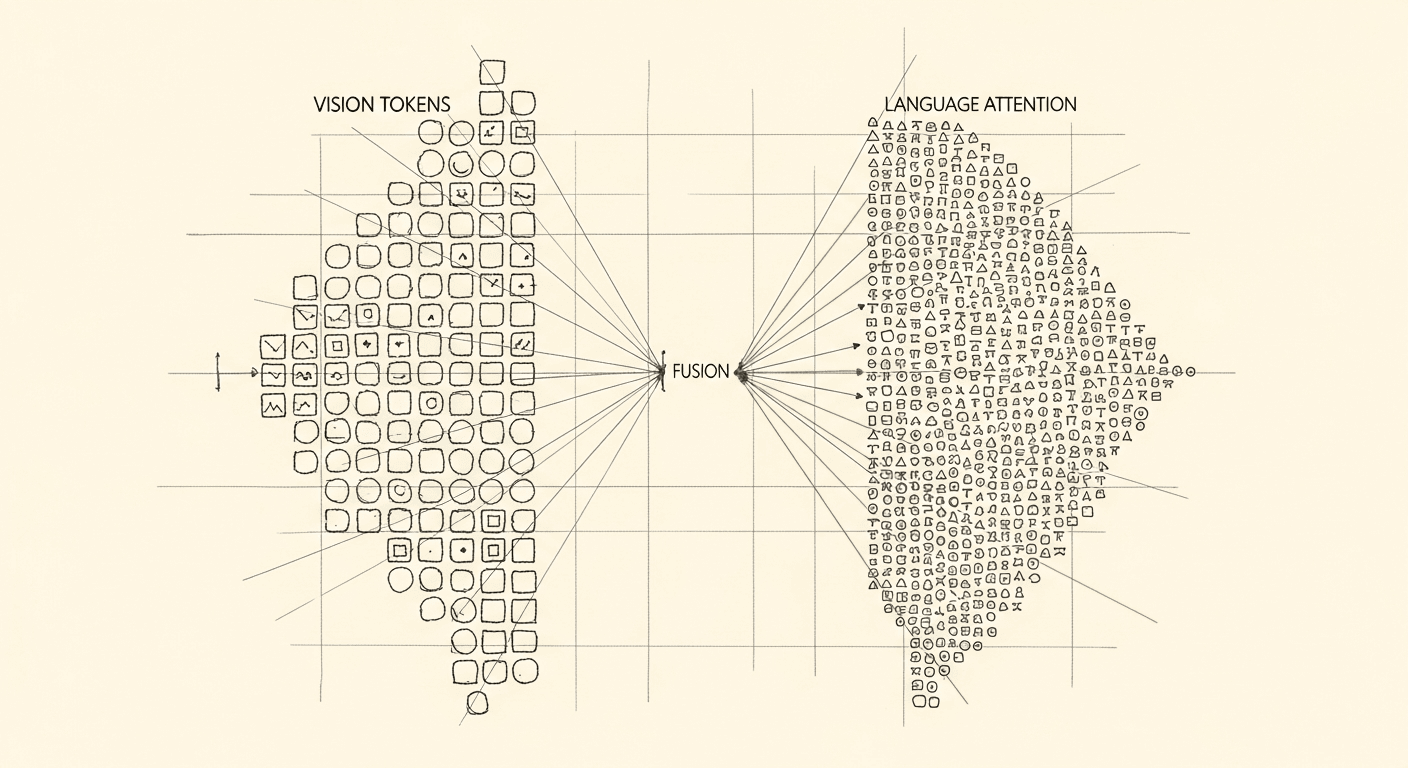
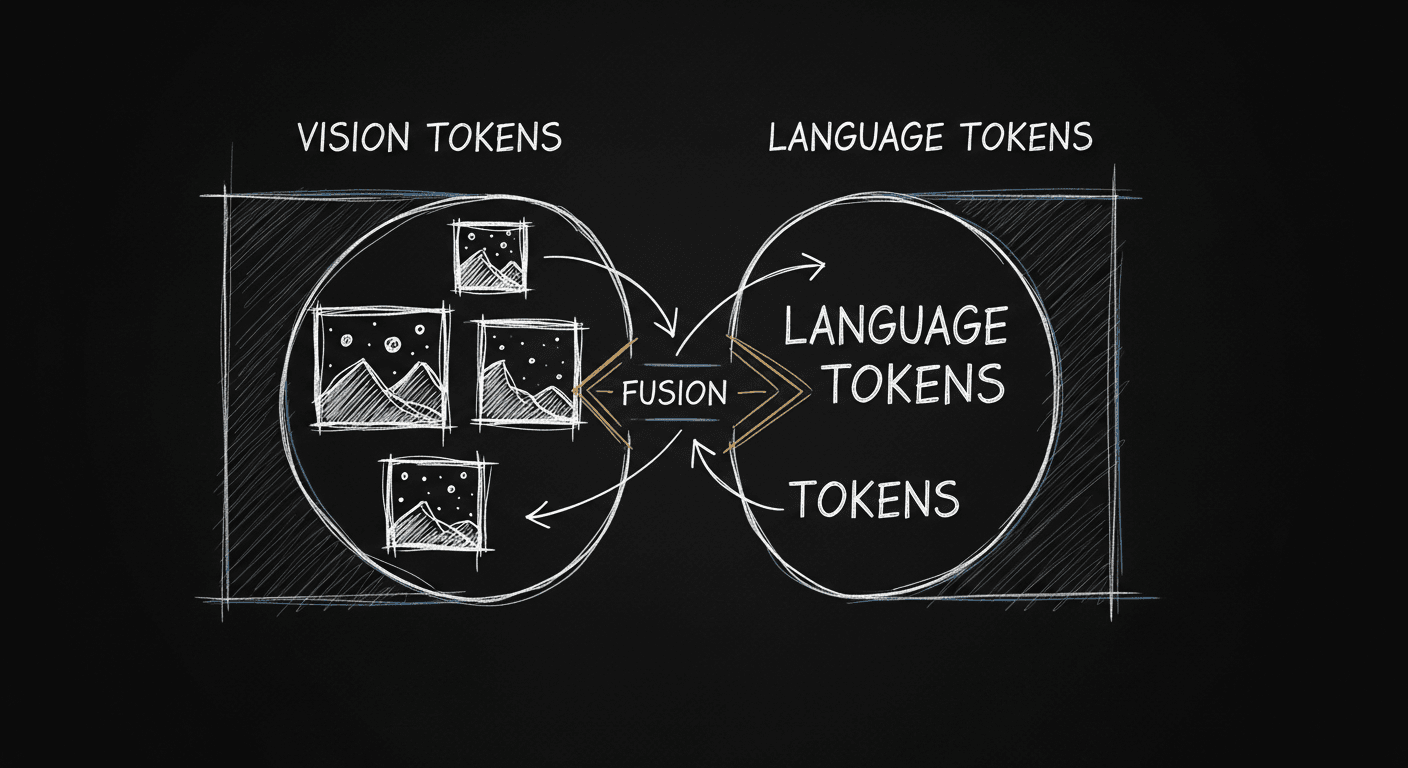
Multimodal LLMs integrate vision through two fundamentally different architectures. Knowing which one you need, and why, shapes every other technical choice in your build.
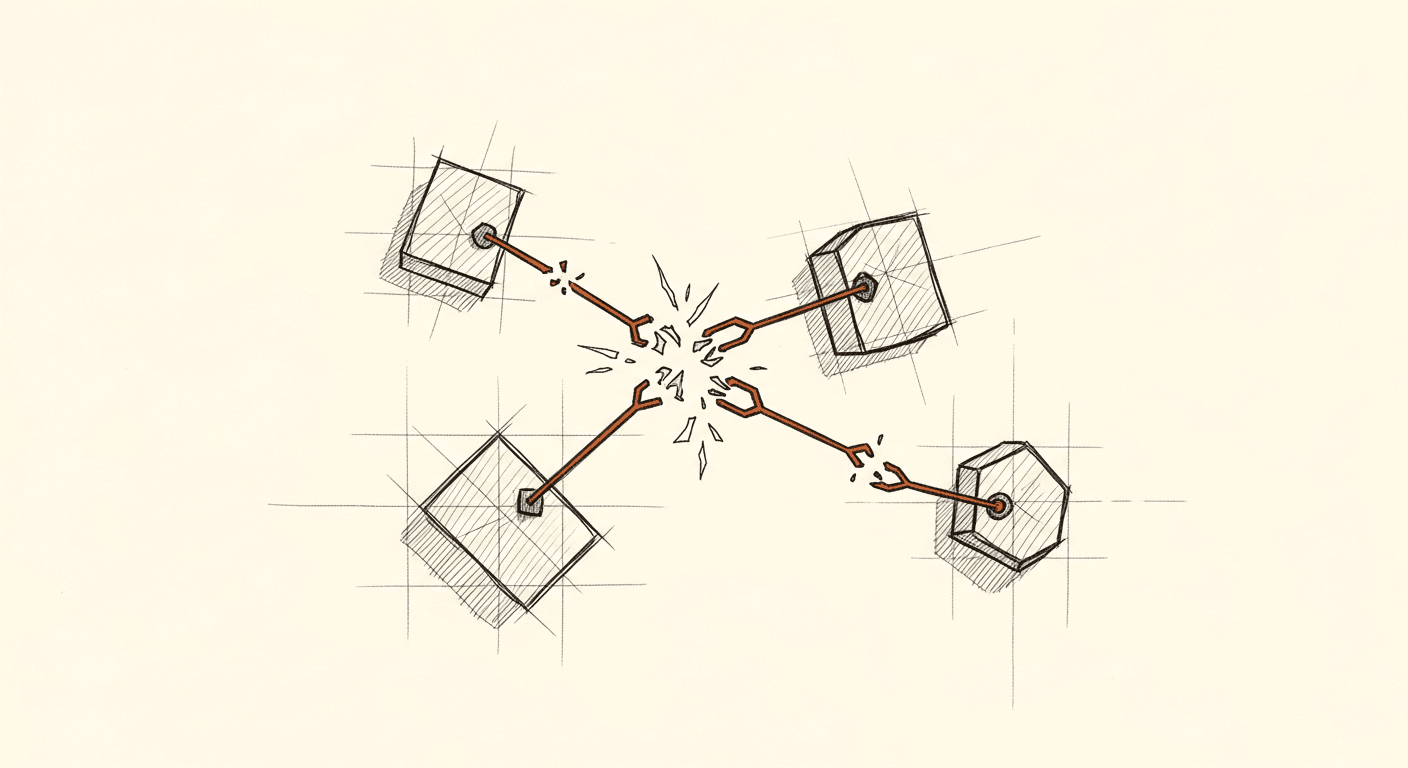
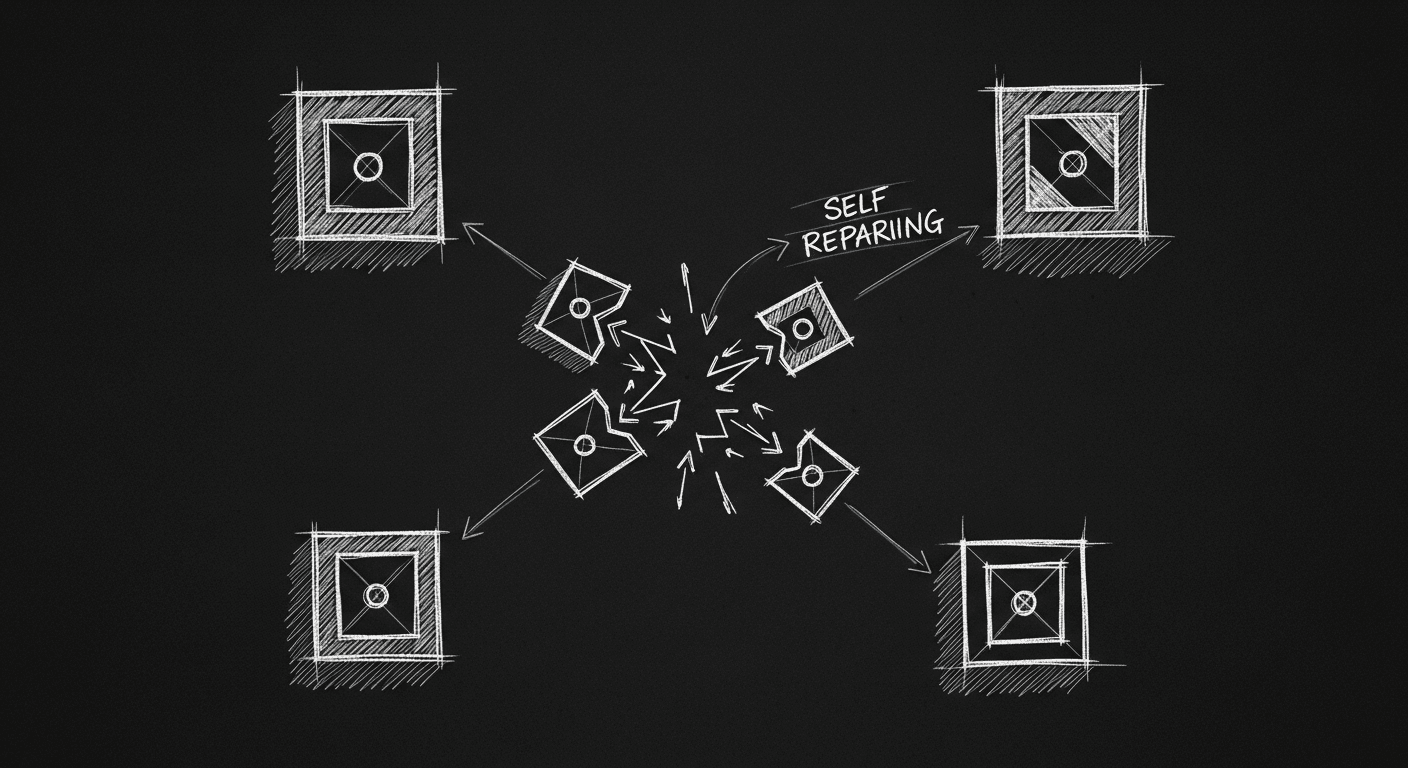
The AI Cloud vision, where infrastructure monitors, optimizes, and repairs itself, is compelling. Some of it exists today. Most doesn't yet. What self-healing infrastructure looks like in practice, and what engineers should be doing to prepare.
FHIR data is a graph. Treating it as flat tables is why most healthcare AI struggles with relationships between patients, providers, and encounters. What happens when you model it the way it actually is.

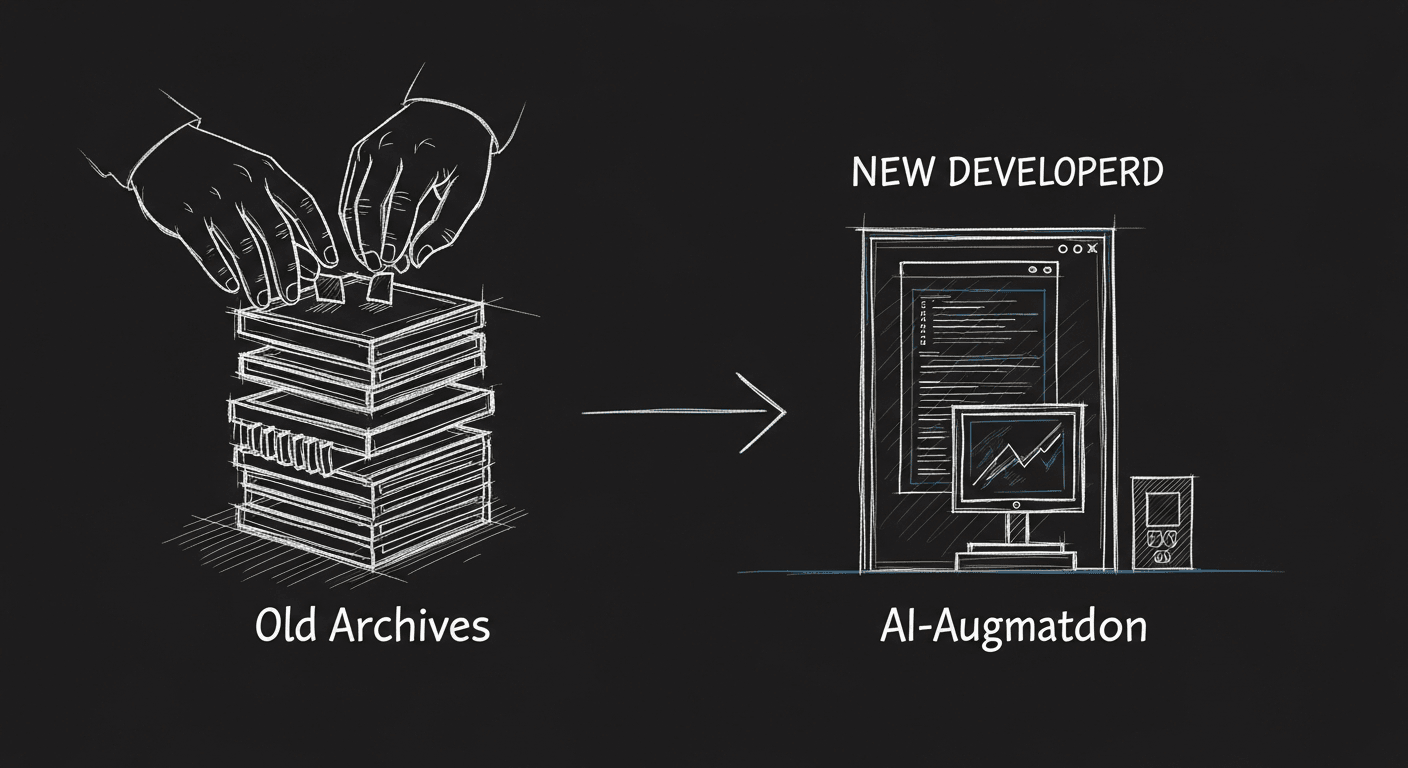
AI coding assistants forced a full rethink of every layer of the dev stack. What I dropped, what I added, and the principle behind the restructuring.
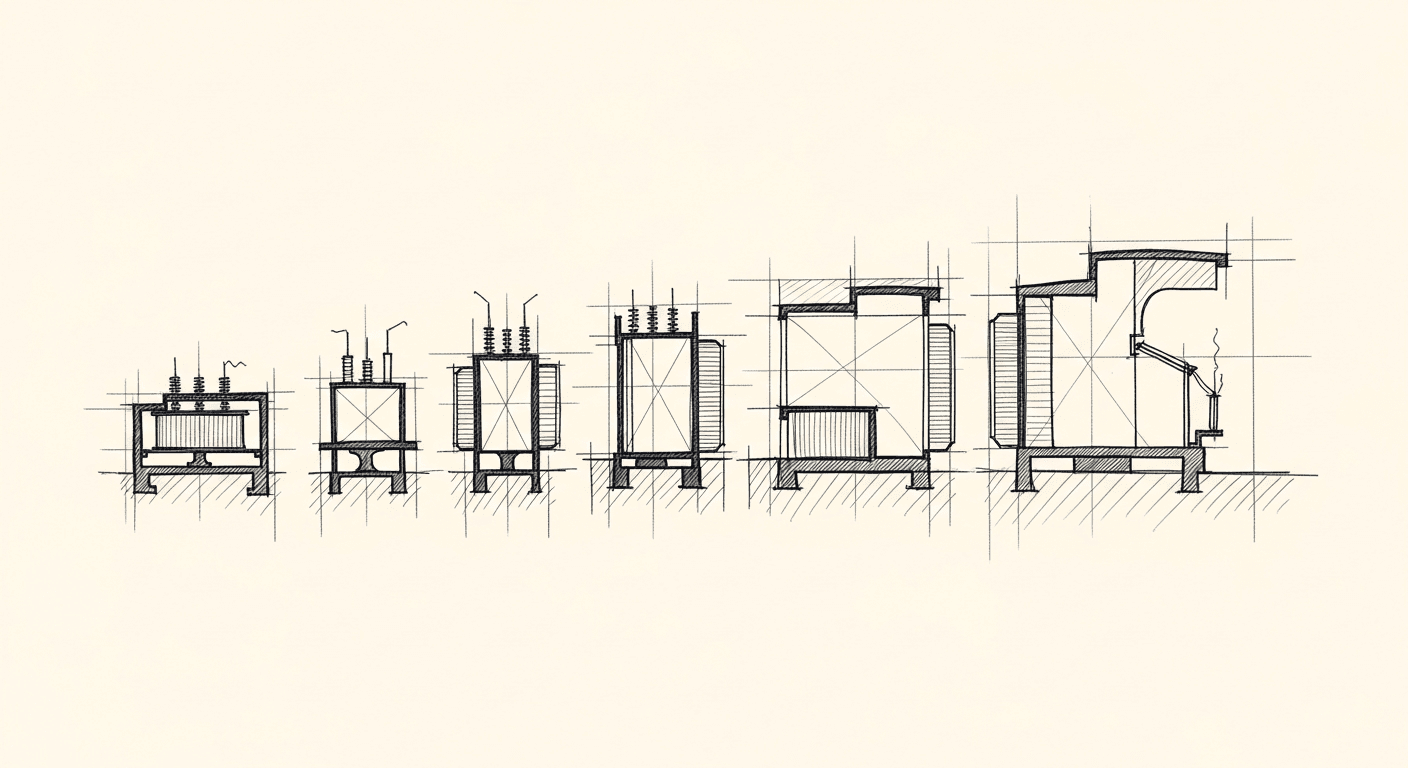
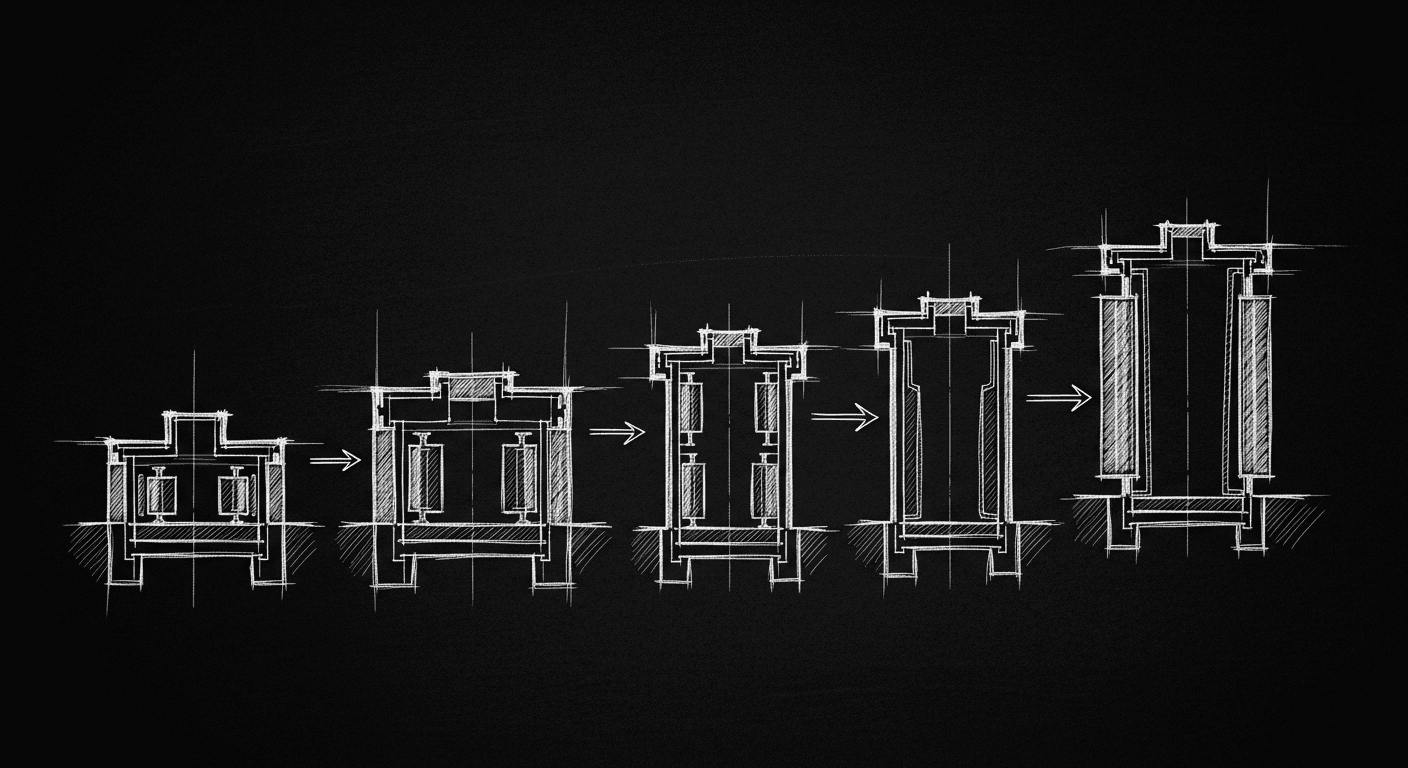
I've been reading ML papers for 10 years. Most don't matter. These architectural choices did. RoPE, GQA, SwiGLU: each one solved a real scaling problem. What to look for when a new model claims 'better architecture.'
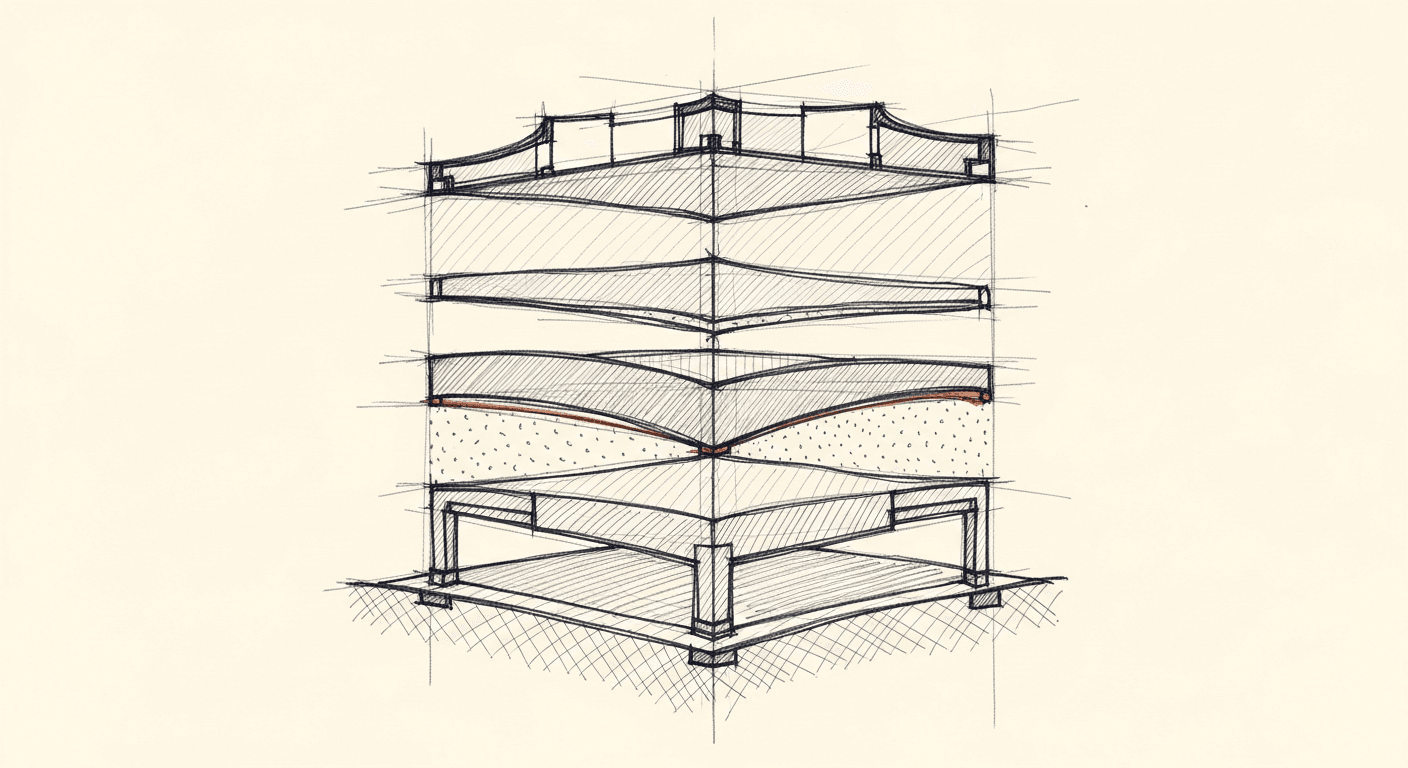
GenAI platforms don't fail because the models are bad. They fail because teams build everything at once. A practitioner's guide to layered architecture, from the minimal production-ready core to healthcare-grade guardrails.
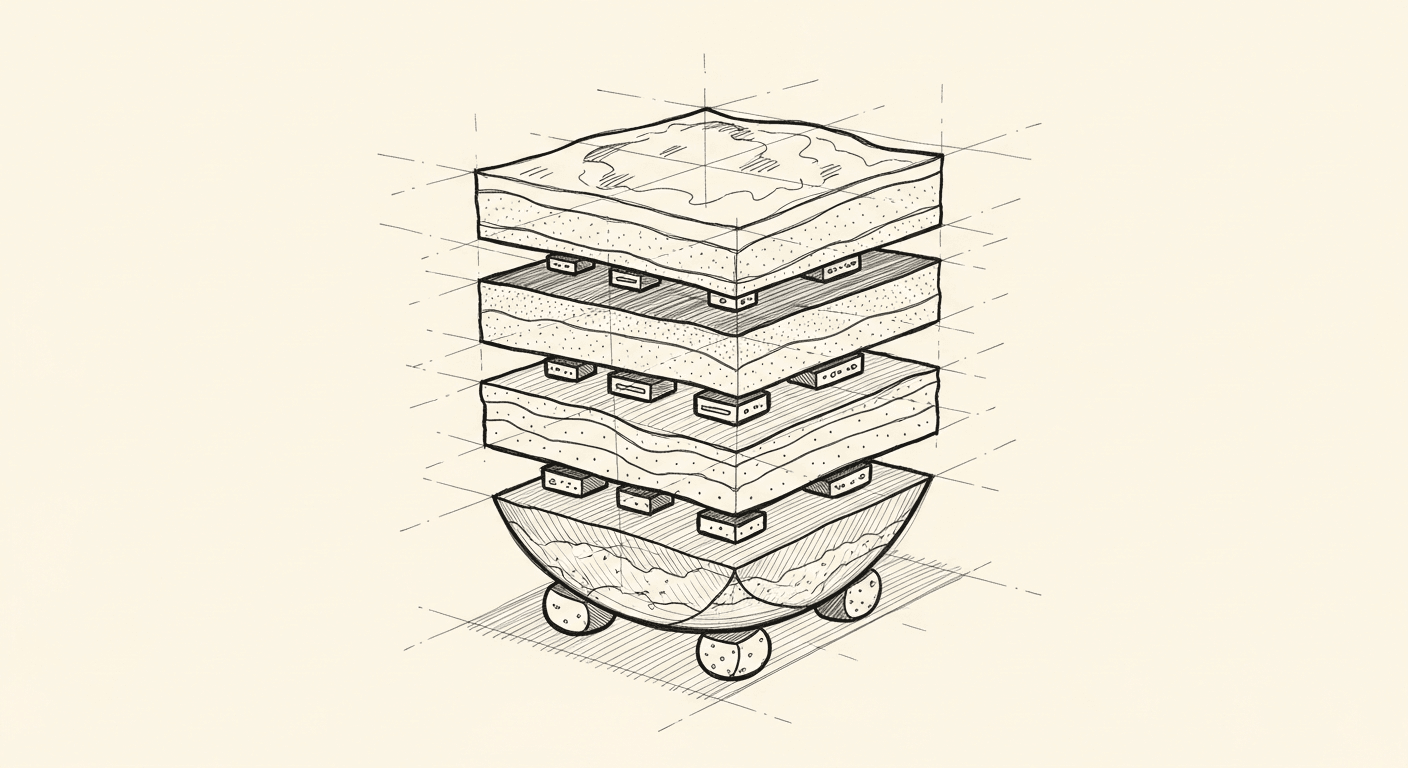
Everyone asks 'how should we use GenAI?' The honest answer requires a harder question: does AI's unique capability create new value here, or is it just a more expensive way to do something that already worked? A practitioner's framework for getting this right in healthcare.
The same failure pattern shows up everywhere: teams shipping fast and iterating on vibes instead of building systematic evaluation. Evals aren't a nice-to-have. They're the core competency of any serious AI product team.