Articles
Mostly about building products, healthcare tech, and lessons learned along the way.
Loading articles
Mostly about building products, healthcare tech, and lessons learned along the way.
Older posts from the archive.

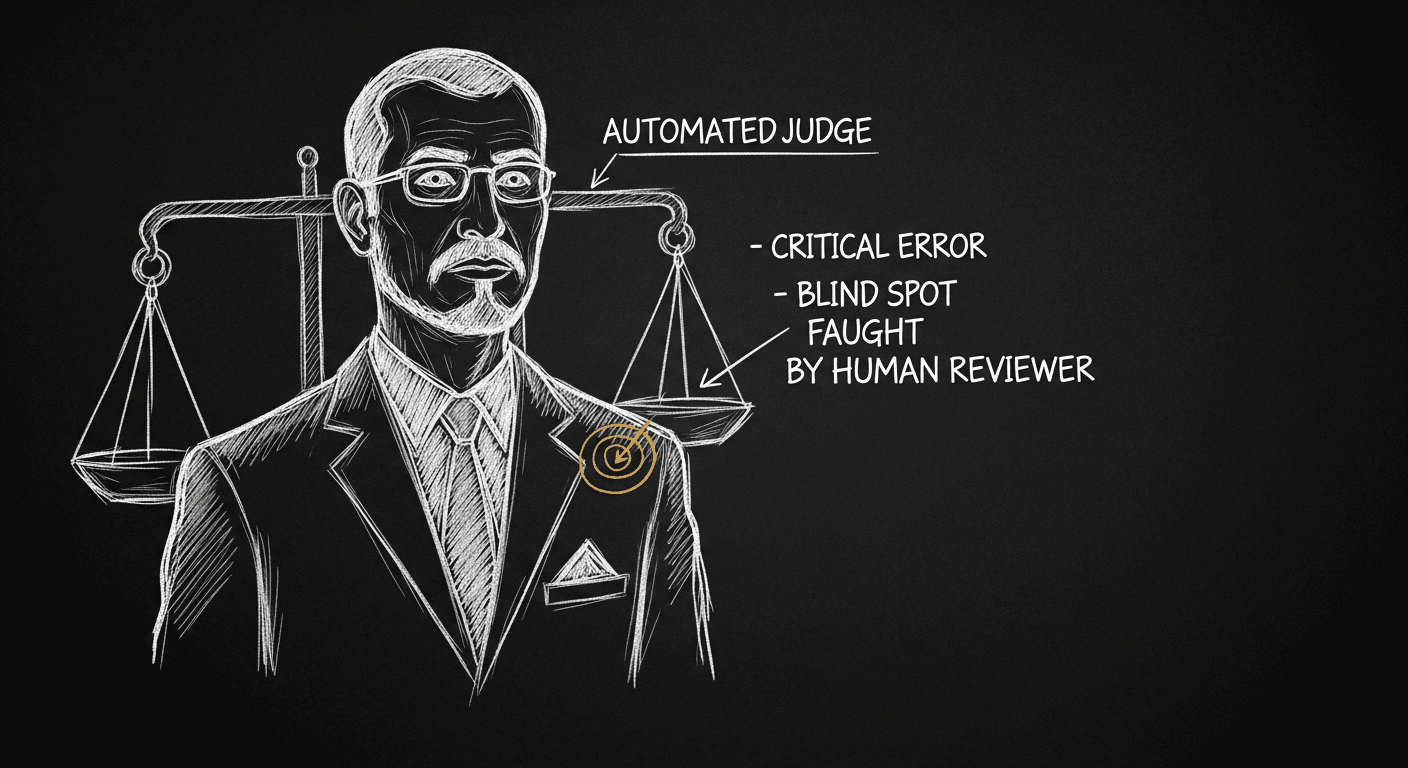
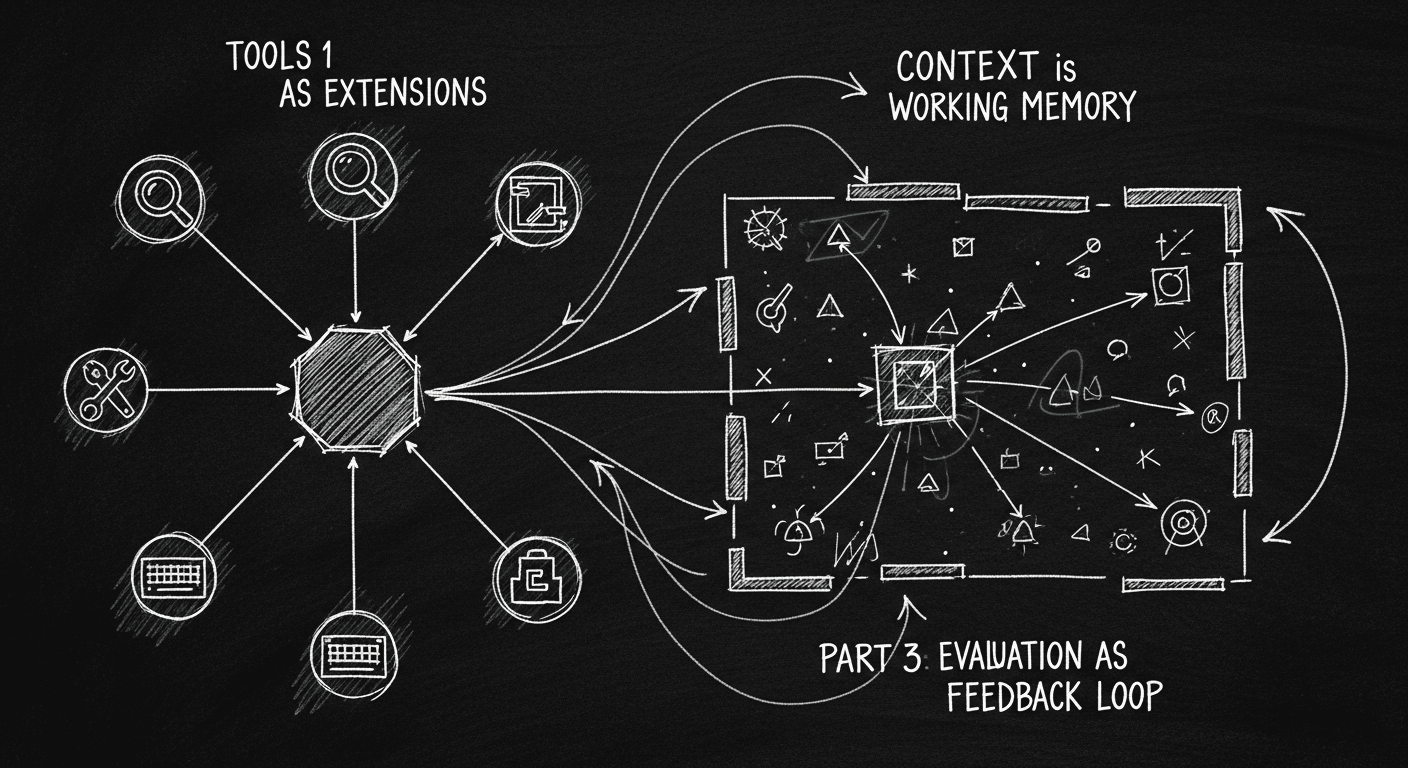
LLM-as-judge evaluators feel like quality assurance but behave like rubber stamps. They fail hardest on the outputs that matter most: edge cases, safety-critical errors, domain-specific nuance. What to do instead.
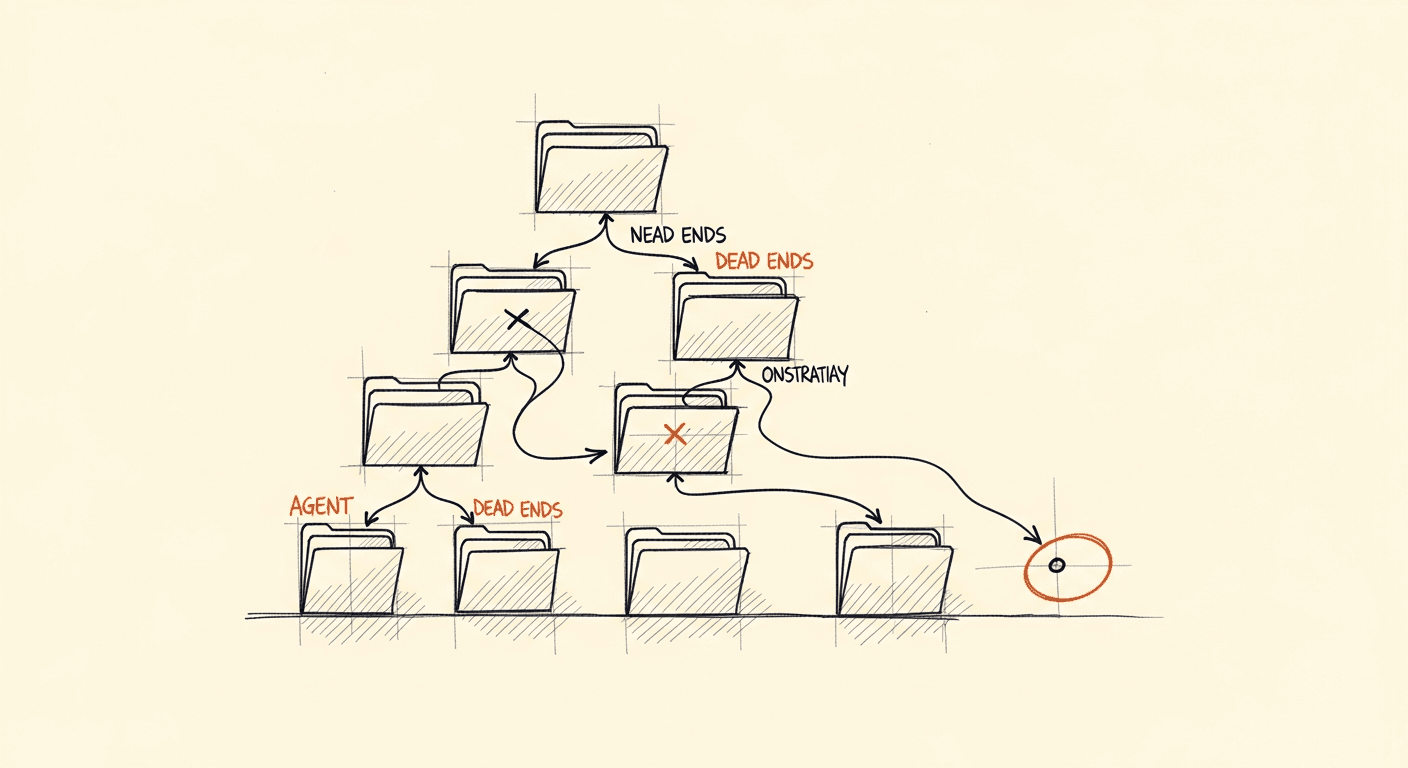
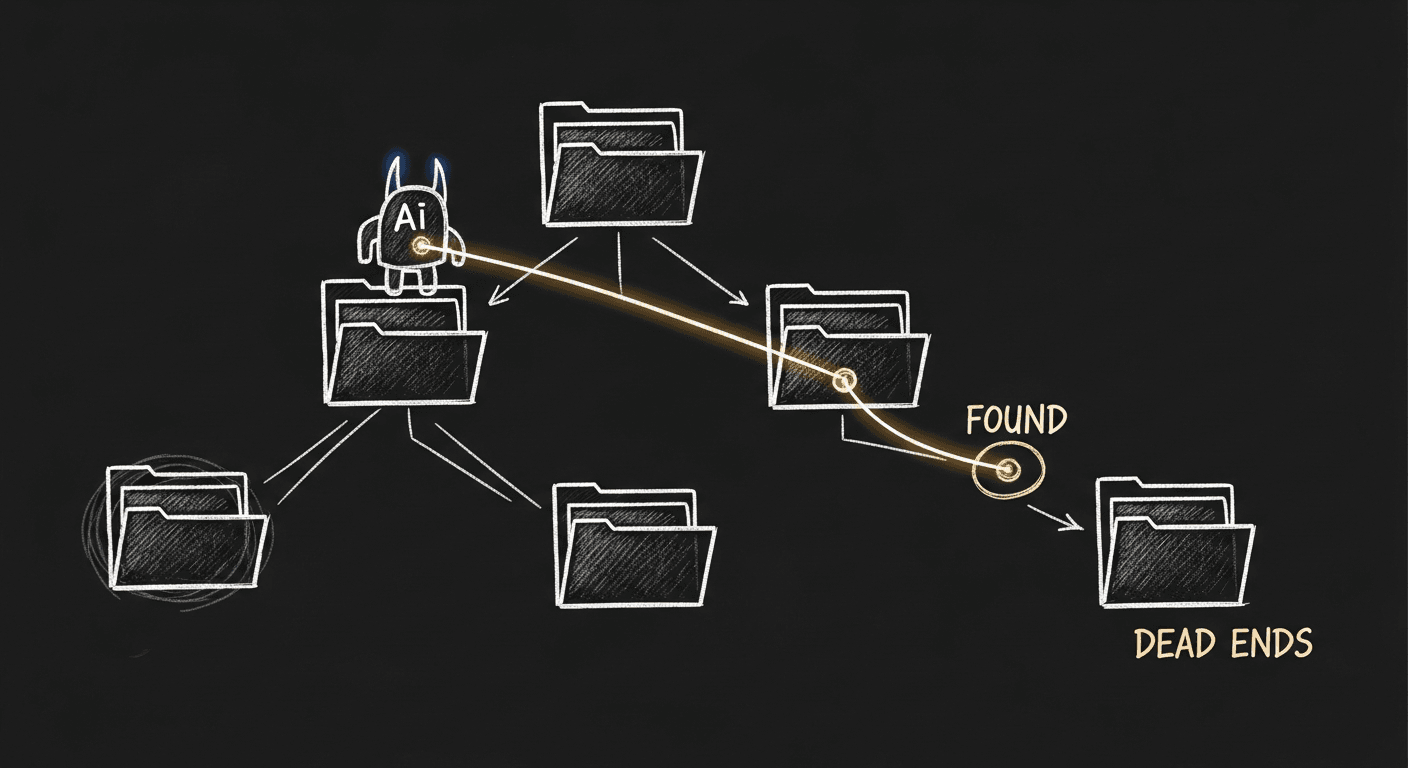
The instinct when building a coding agent is 'I need RAG to handle large codebases.' The better instinct is giving the agent tools to explore code the way a senior engineer would: reading files, following imports, tracing execution.
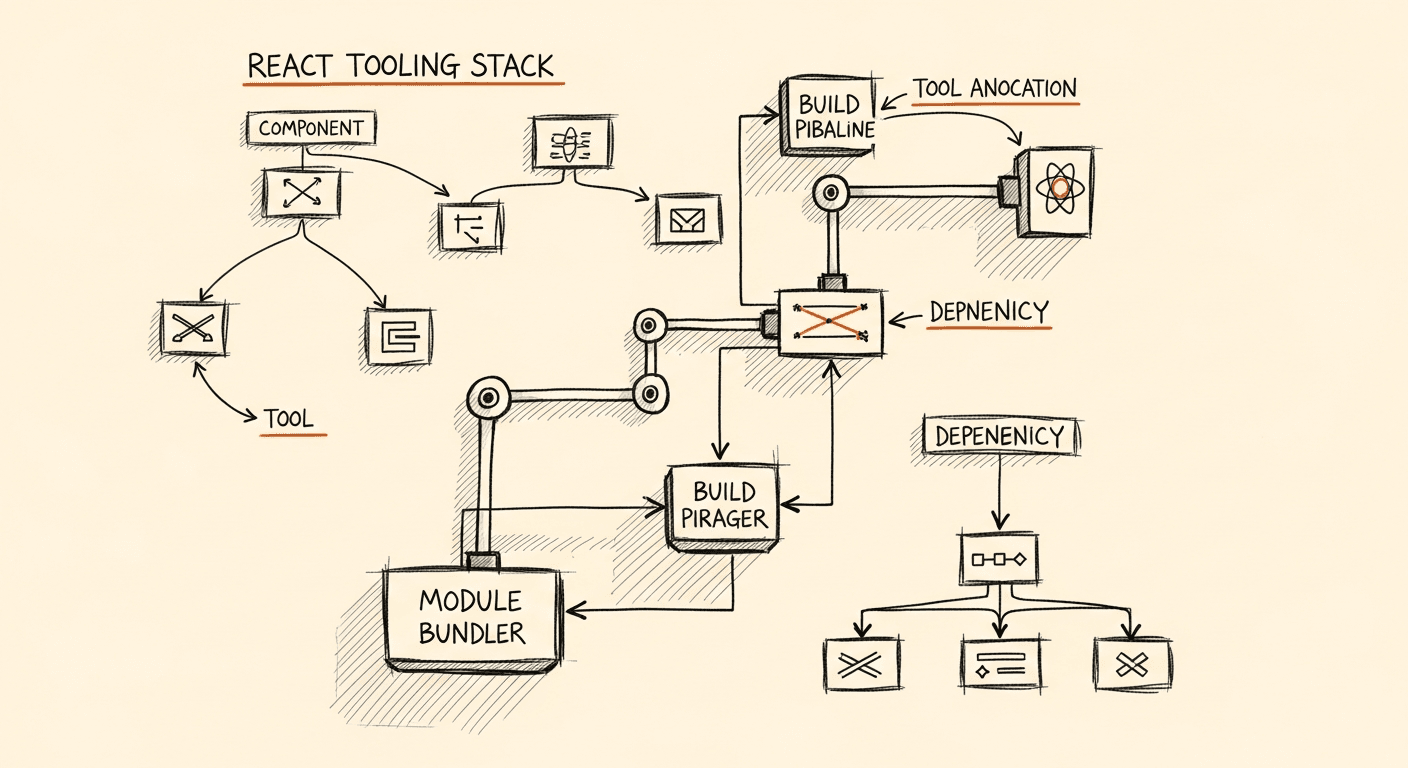
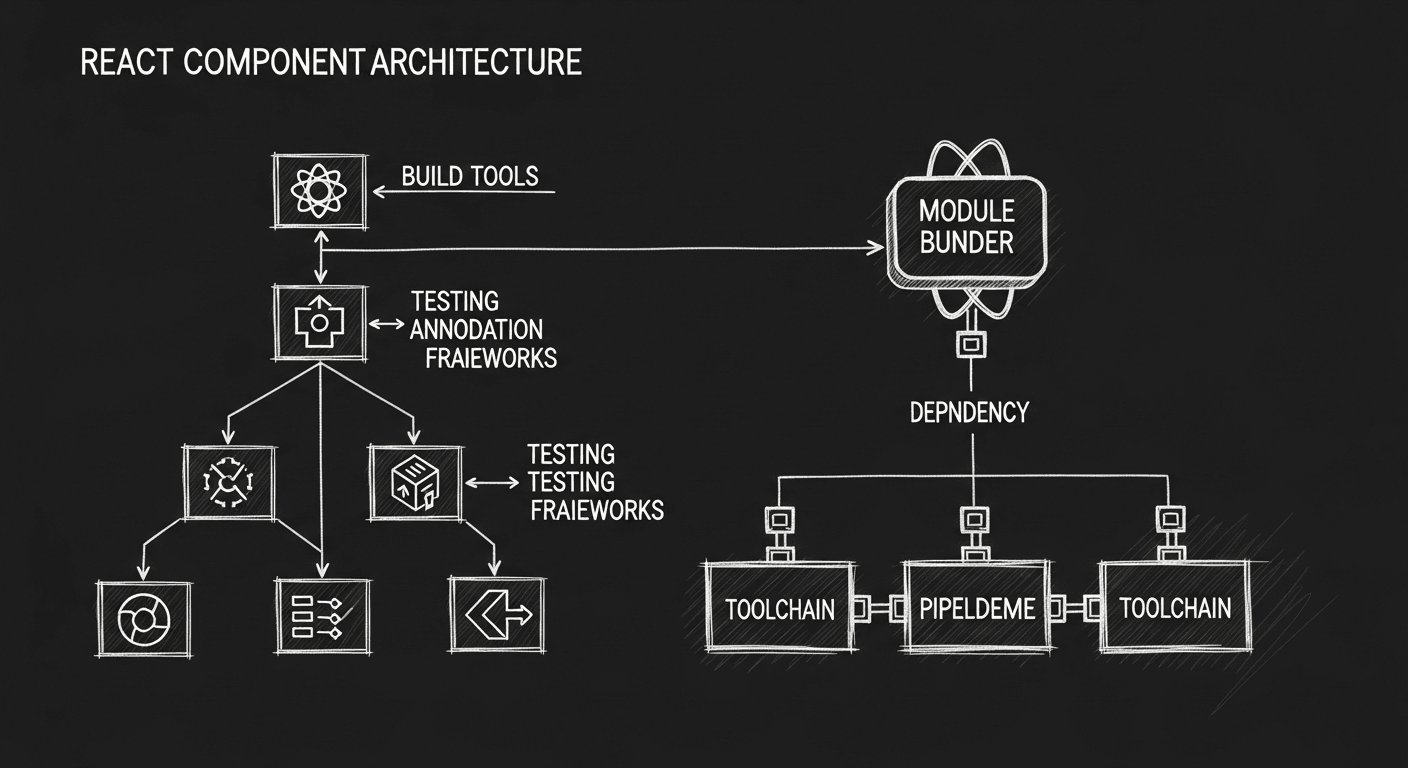
20+ React apps built this year. What works, what's a waste of time, and why you're probably overengineering.
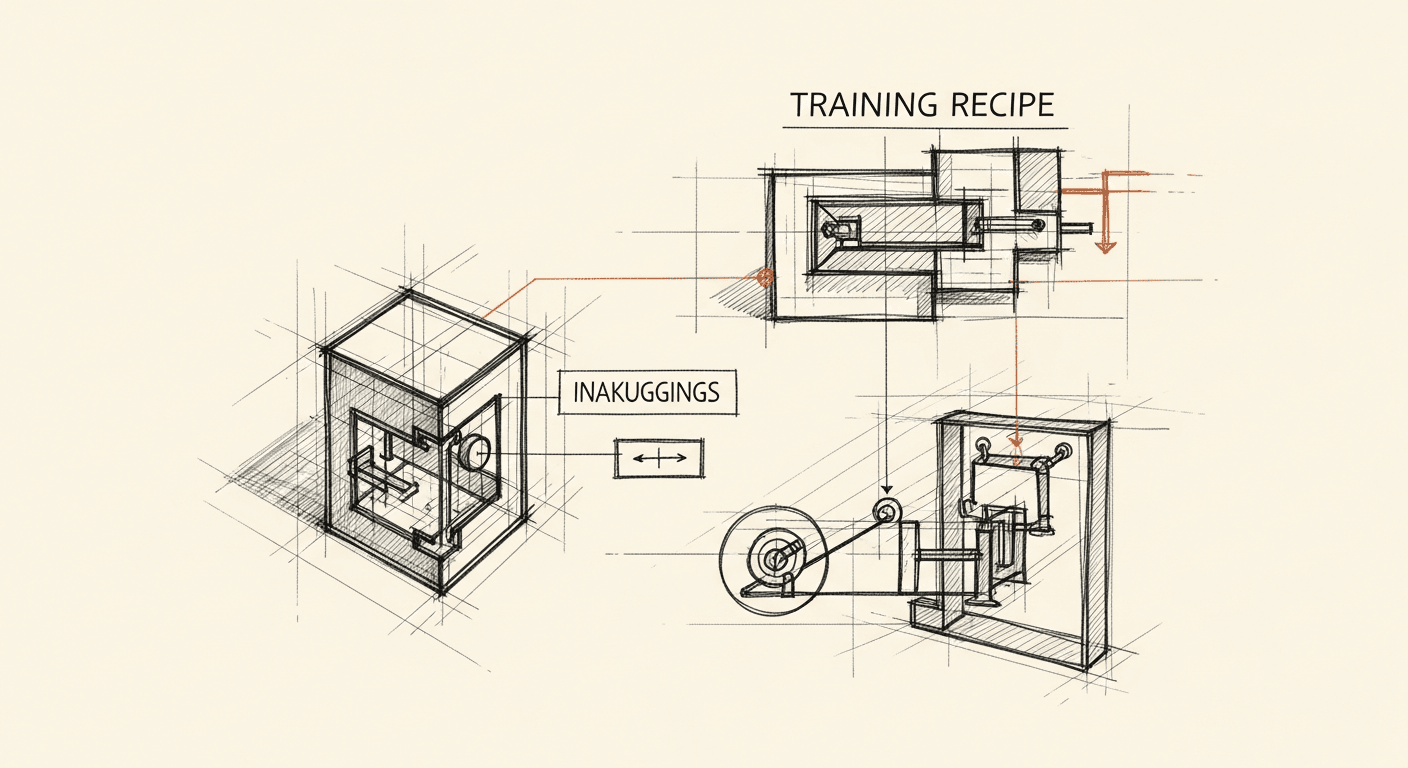
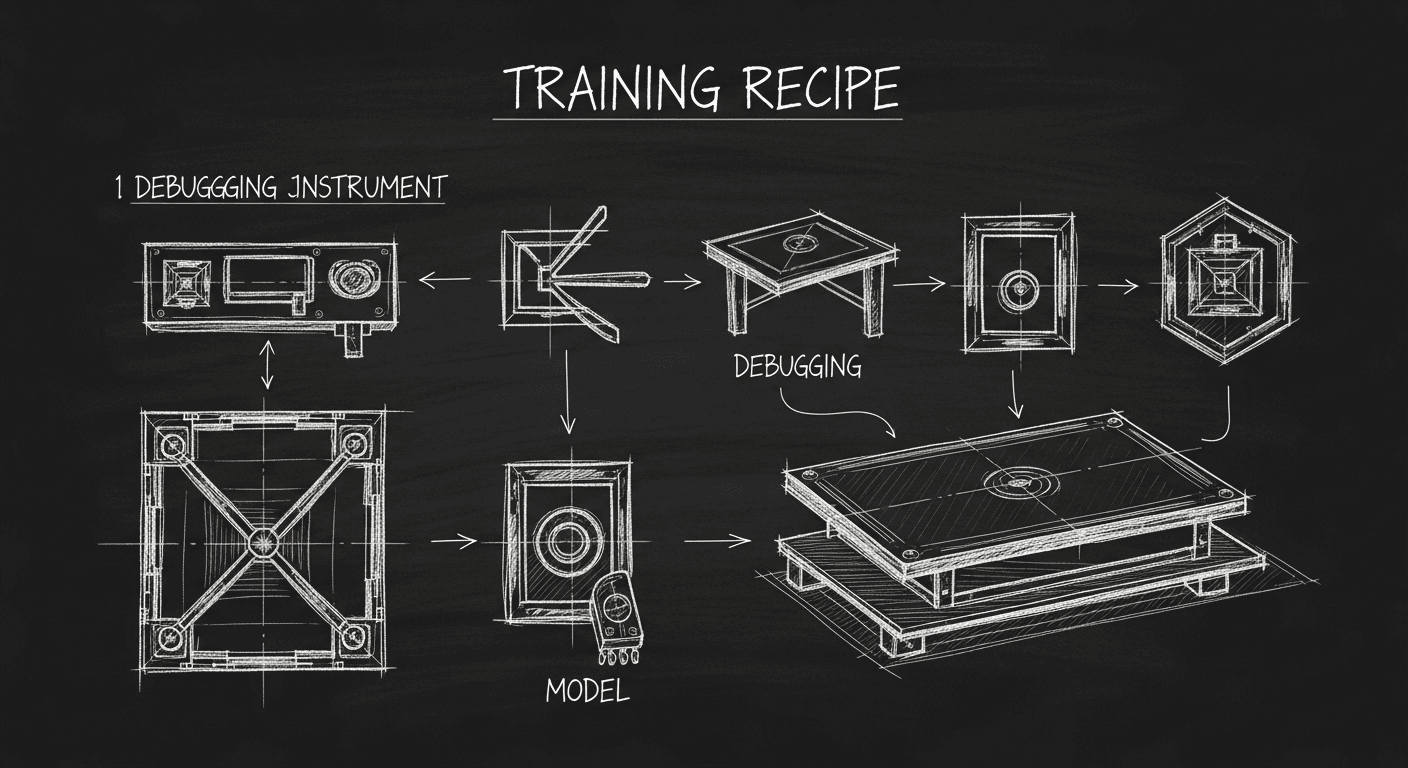
I spent months chasing architecture fixes when my real problem was bad debugging hygiene. The training recipe that works: start simple, visualize everything, tune last. The unglamorous discipline that separates working models from expensive experiments.
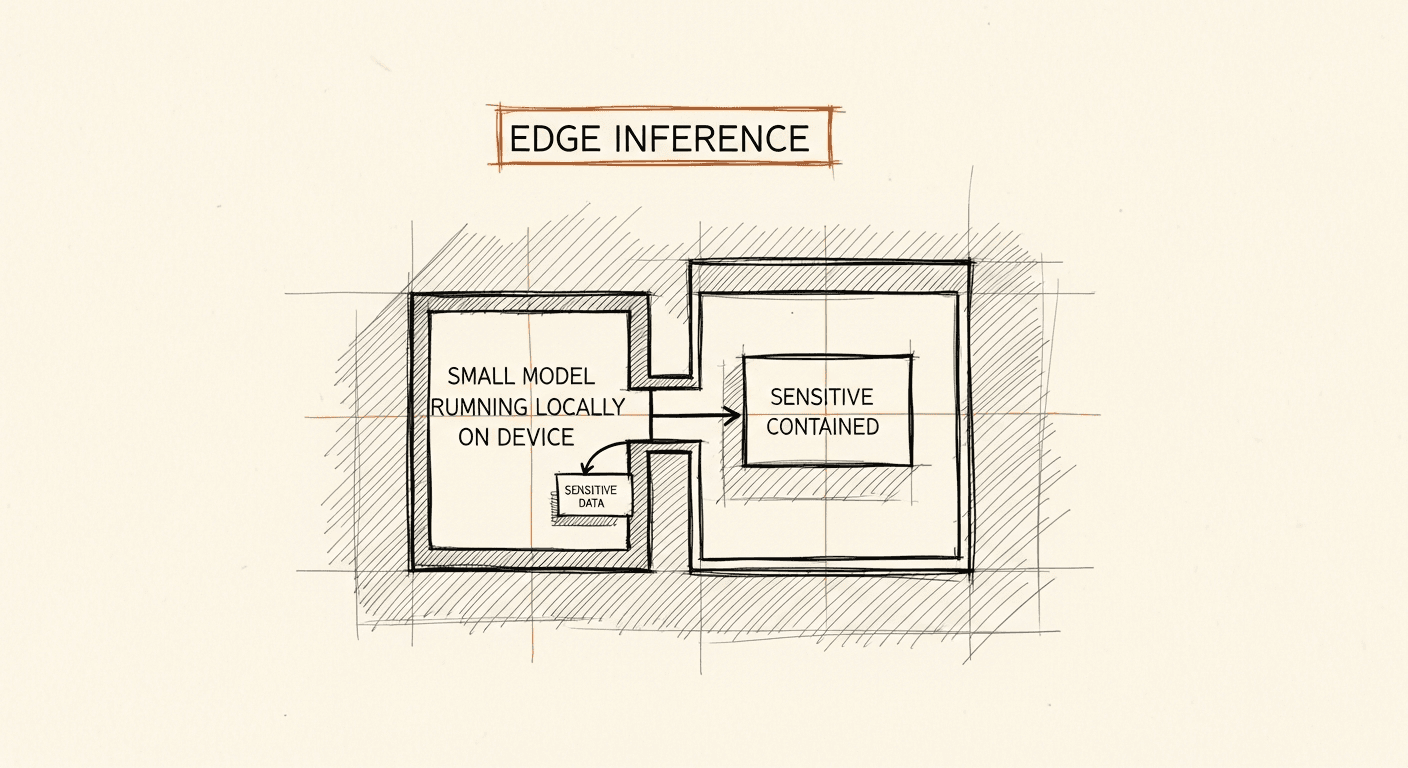
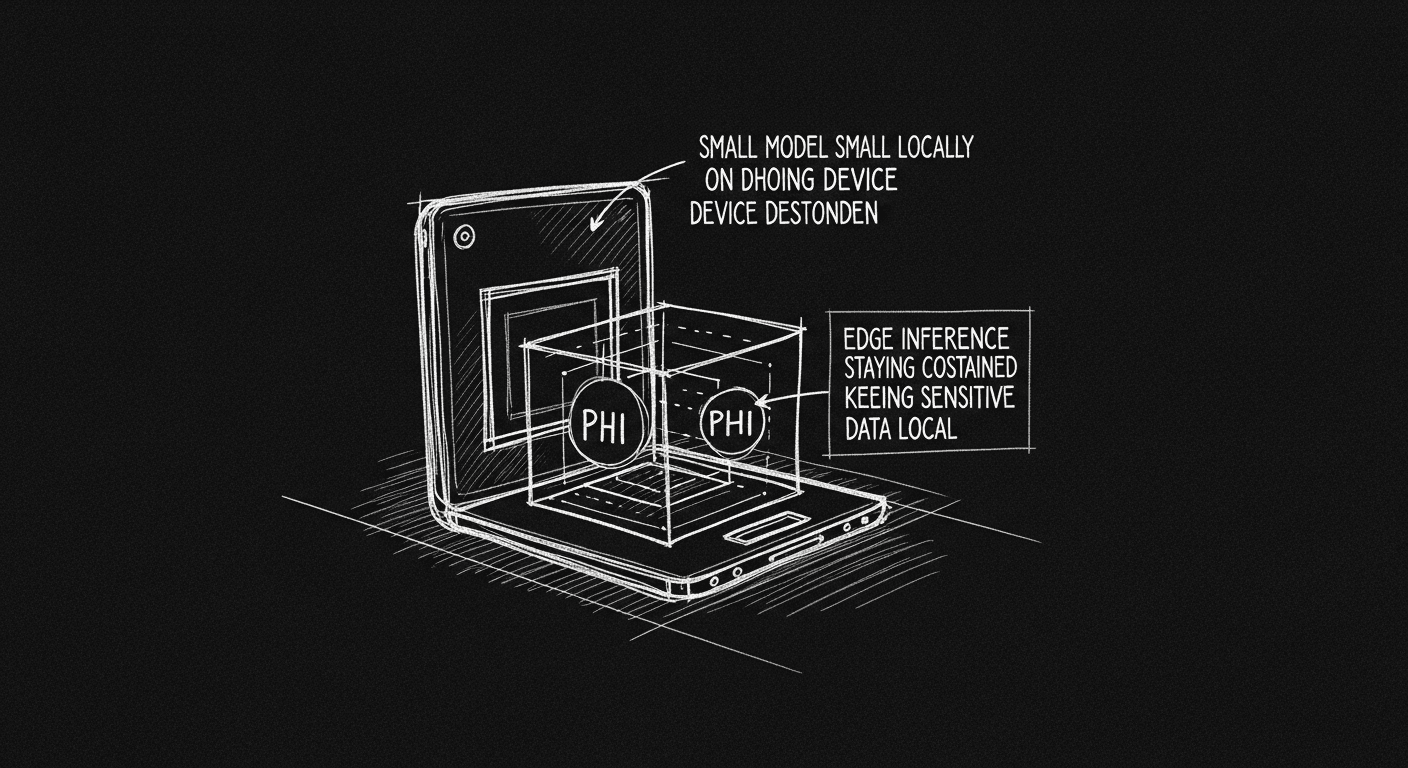
Frontier models aren't required for agentic function calling. For healthcare AI, assuming they are can also be a compliance liability. When a fine-tuned 7B model is the right architecture, and when it isn't.
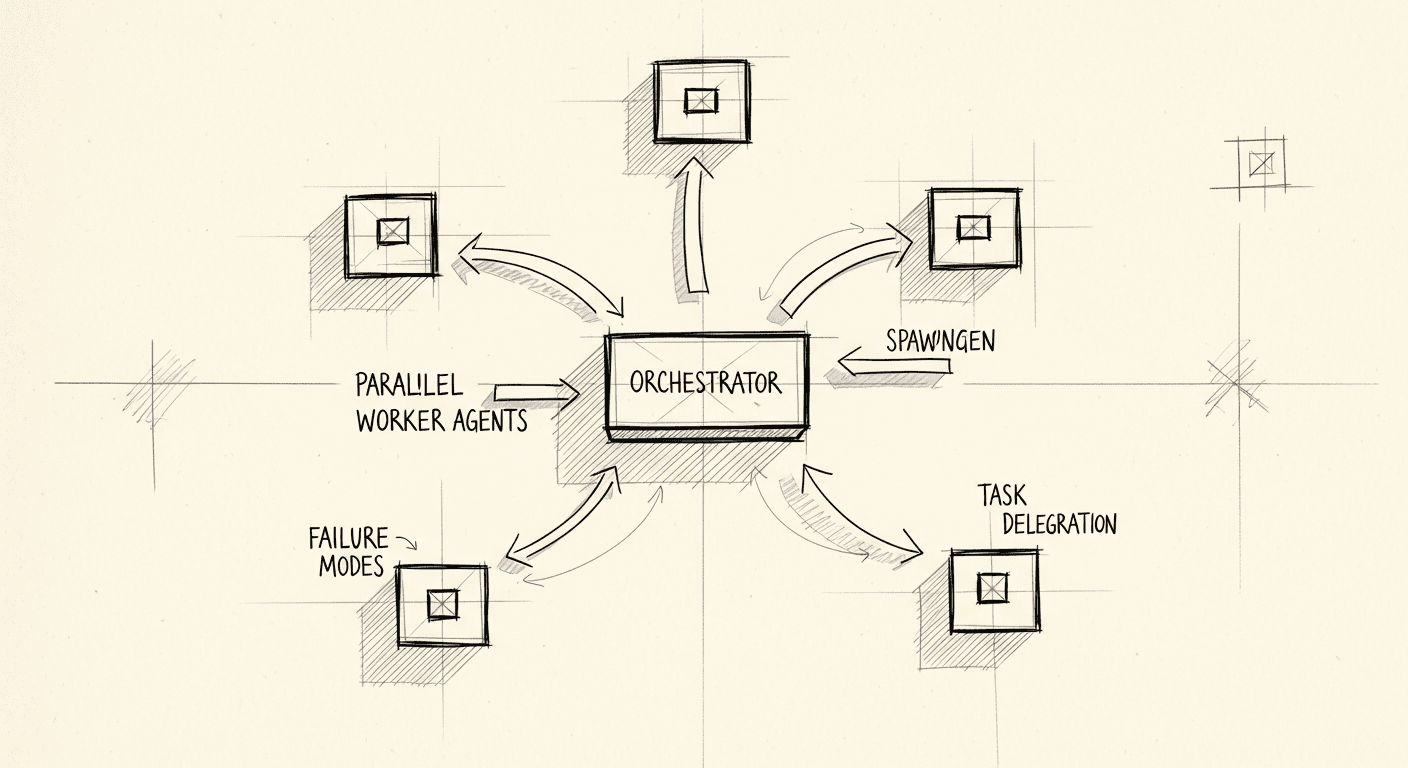
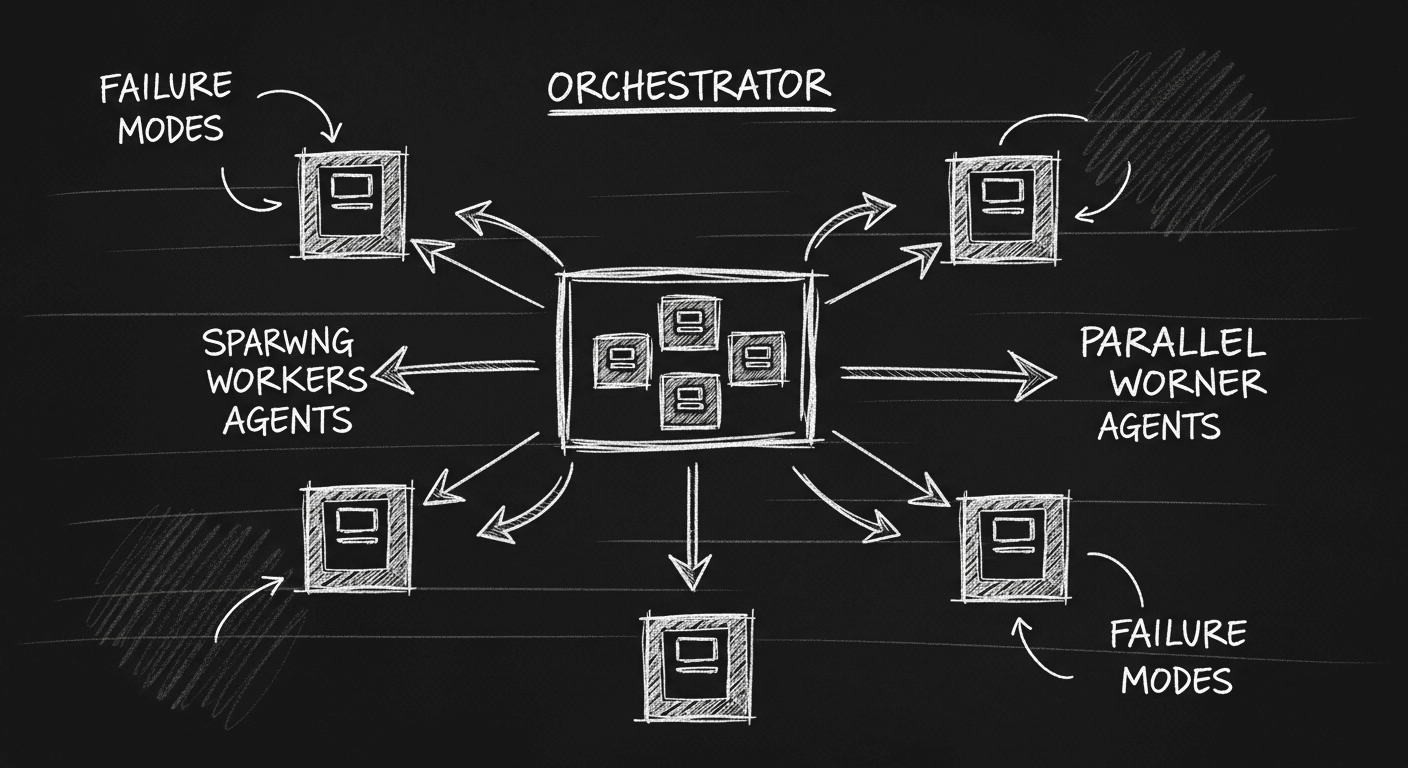
The orchestrator/worker pattern is the key mental model for multi-agent systems. How to structure orchestrators, spawn and manage workers, aggregate results, and avoid the coordination failures that sink most implementations.
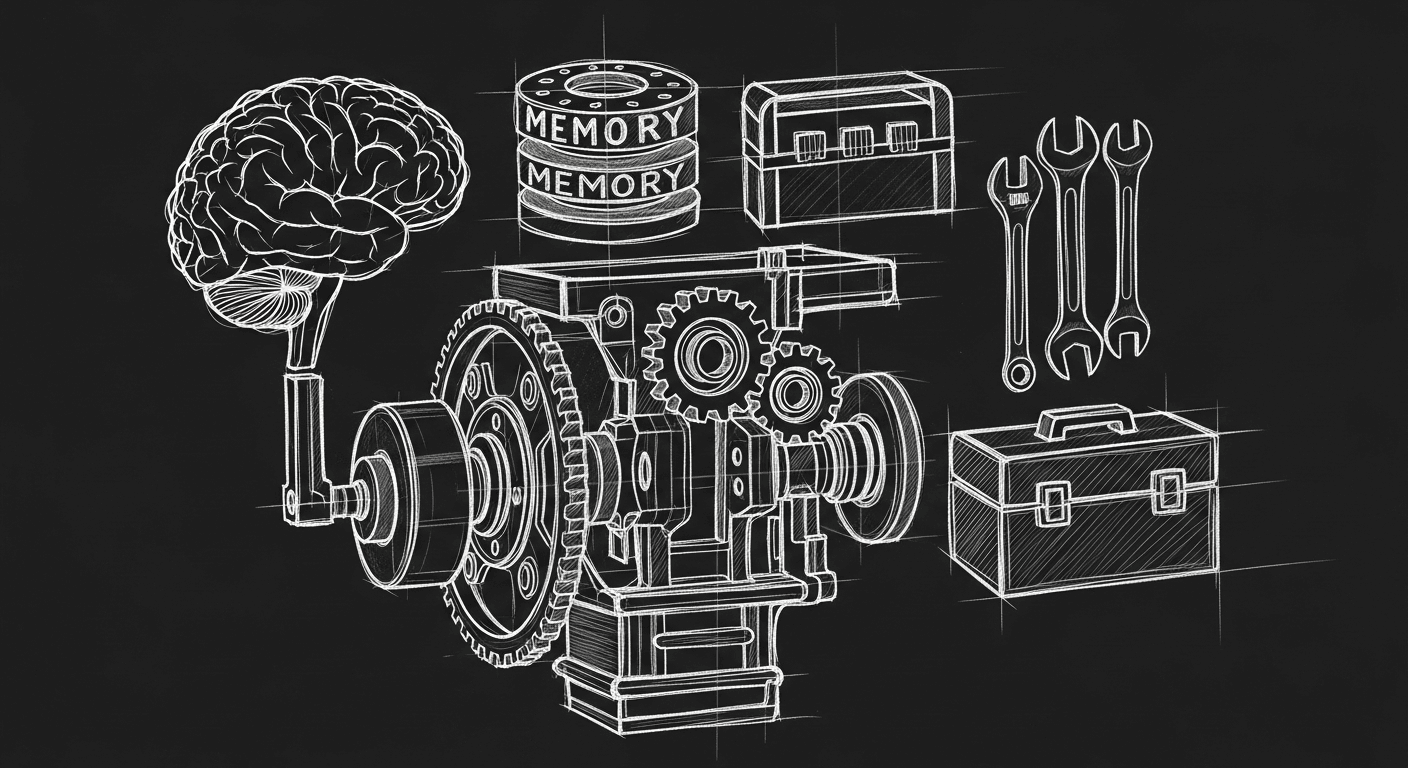
Everyone's talking about agents. Few have shipped one that works in production. The failure modes, memory tradeoffs, and tool design decisions the architecture papers skip.
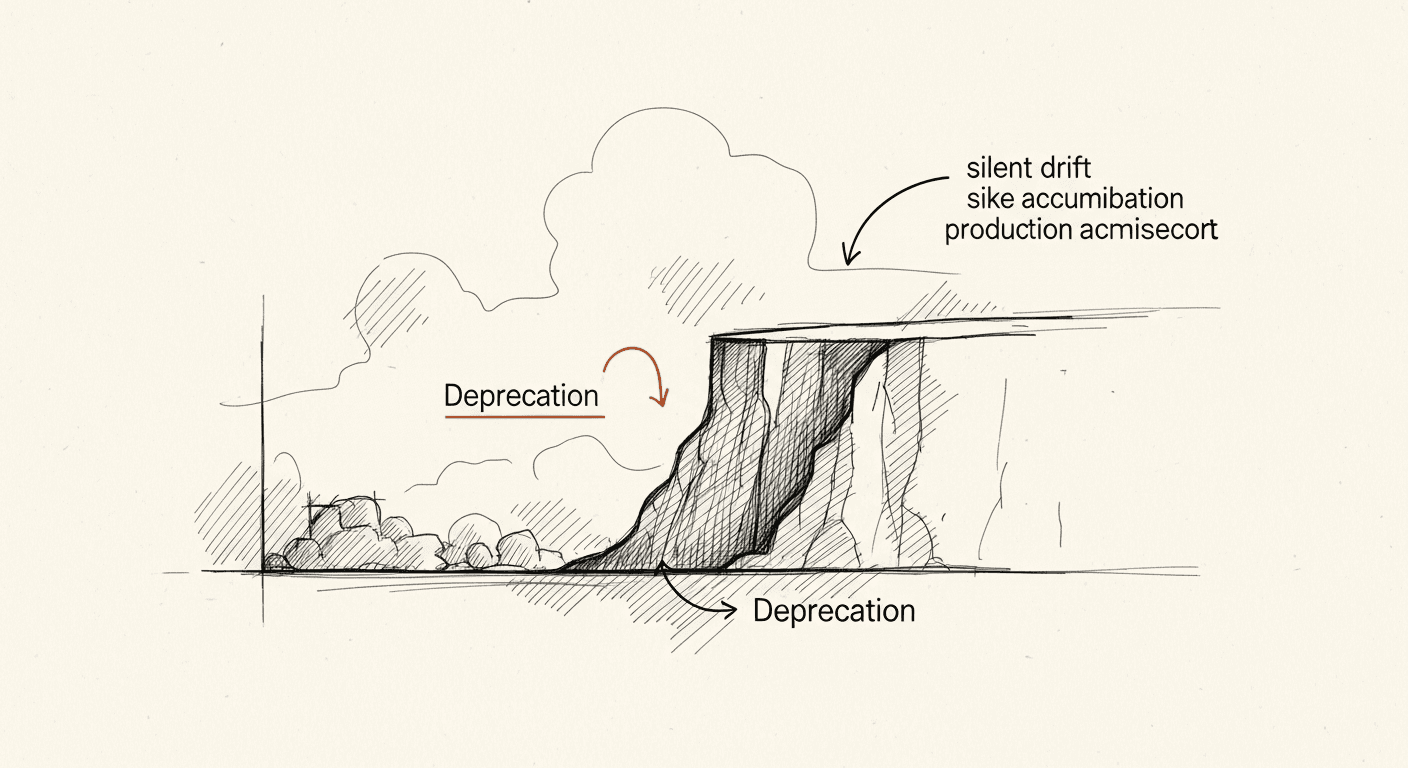
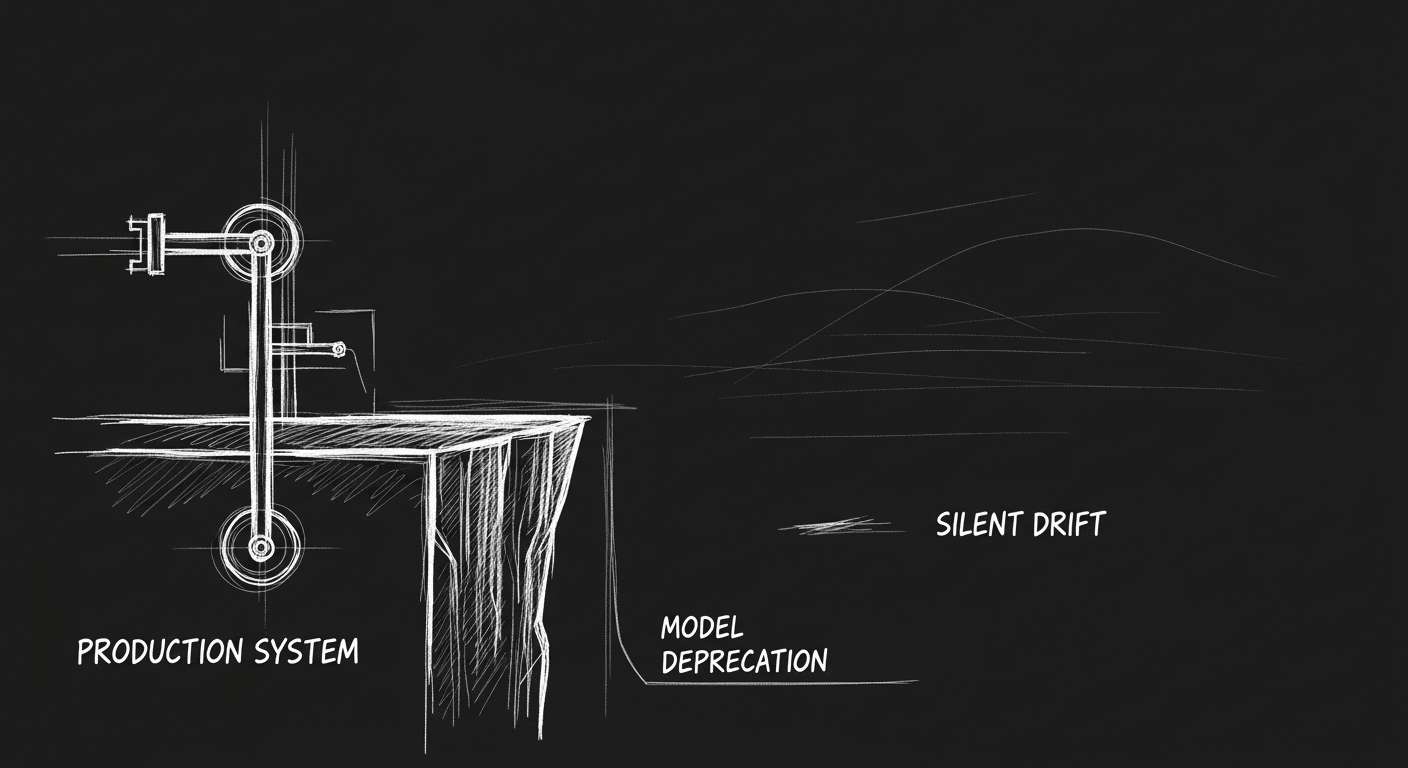
Twelve years in ML and I still got burned. Stochasticity is a systems design problem. Your target model will be deprecated. Silent failures are worse than loud ones. What production healthcare AI taught me.
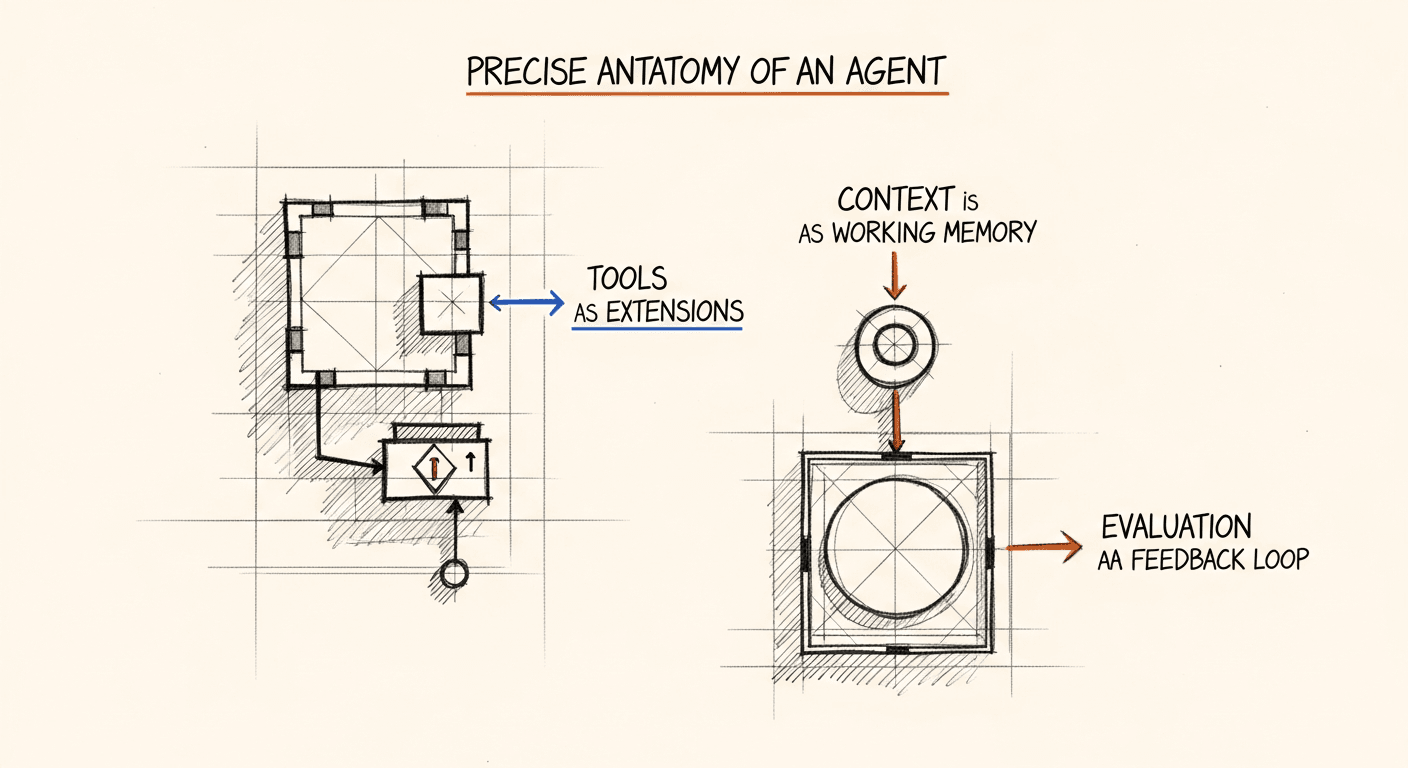
Everyone's building 'agents.' Most are just APIs with a system prompt. The precise definition, the components that matter, the failure modes I've hit, and how to pick the right pattern for your problem.