Articles from 2026
18 articles published in 2026.

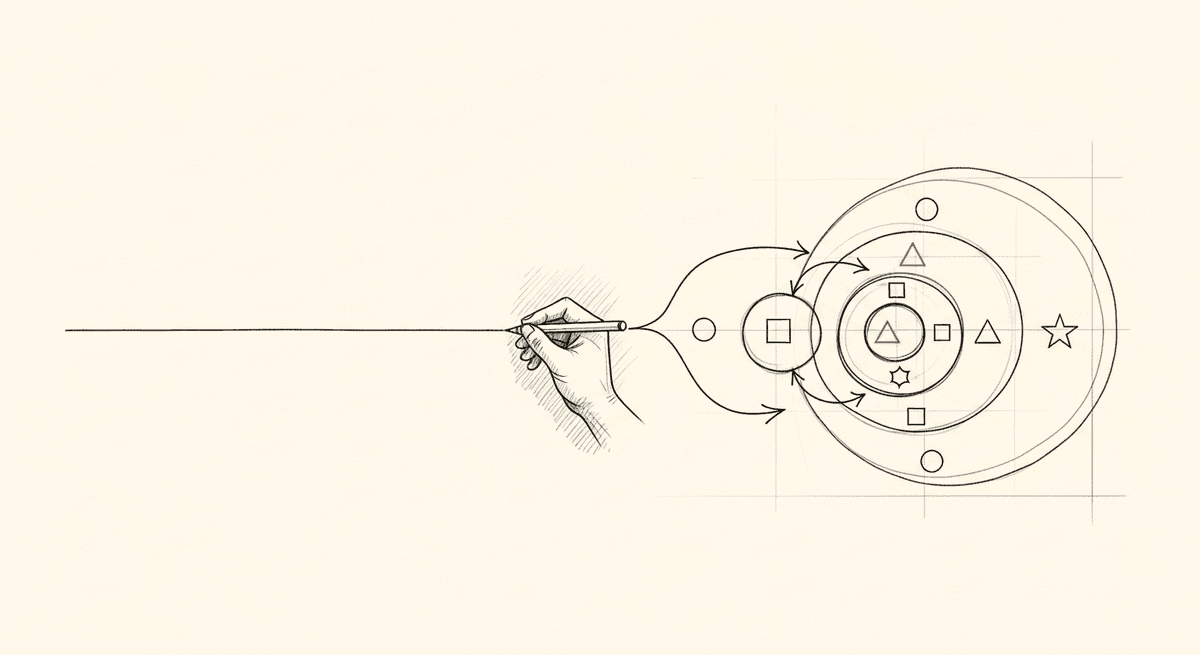
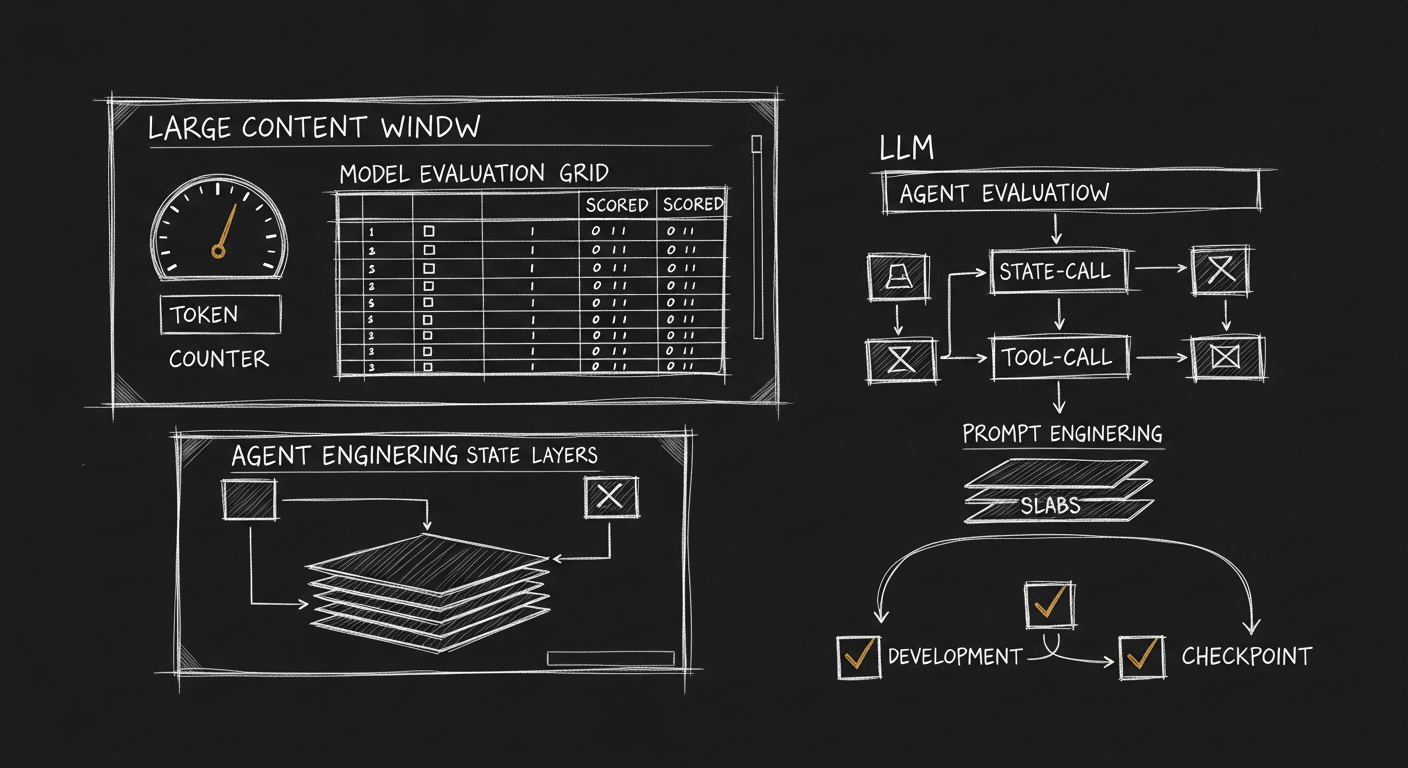
Prompt Engineering Didn't Die. It Got Unrolled.
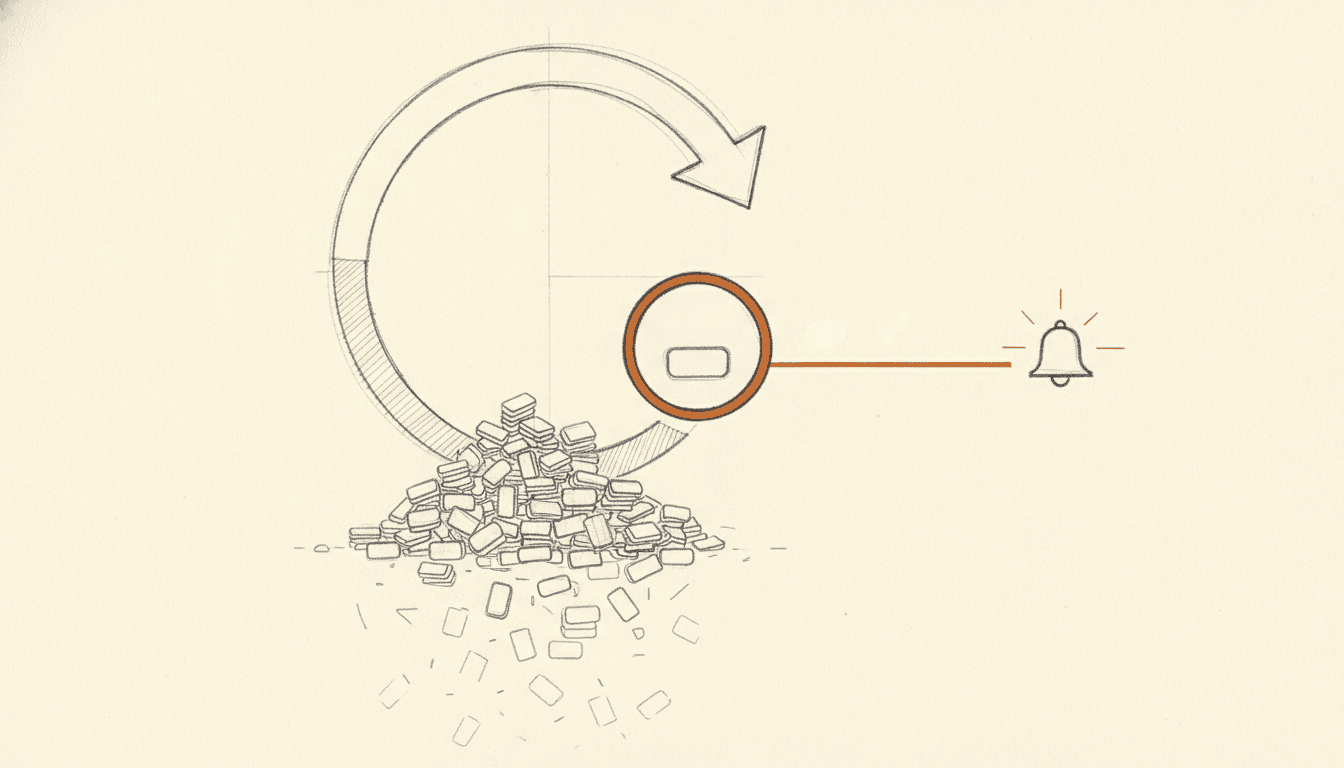
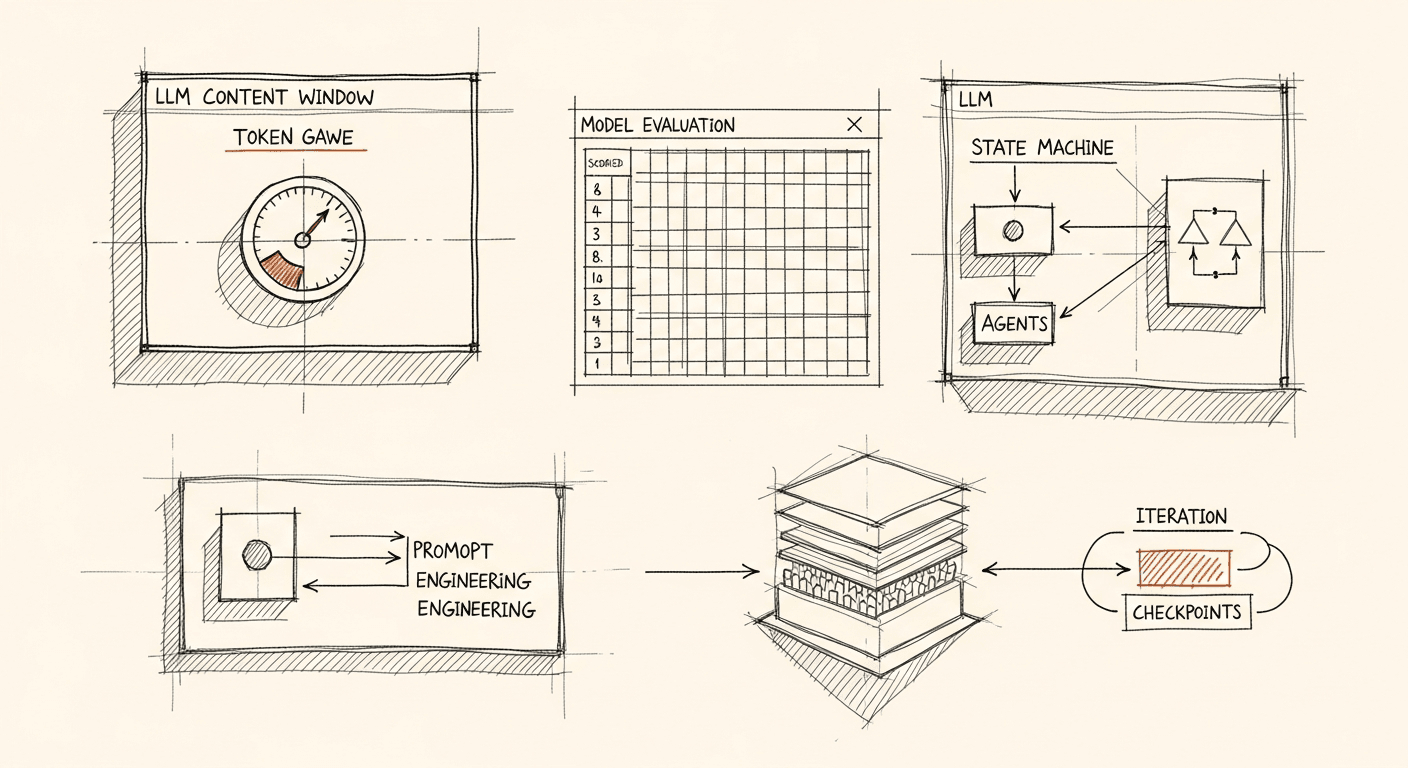
Everyone keeps announcing the death of prompt engineering. They are describing the symptom, not the shift. The loops you used to run by hand — refine, retry, verify, learn — moved out of your head and into infrastructure. Four of them, simultaneously.

The Two Rhythms of B2B Tech: What Palantir Gets Right That Most Companies Get Wrong
Palantir built a company on the idea that software alone is not enough — you need engineers embedded with customers. That model has a name, a cost, and a hidden technical debt time bomb that most B2B companies are quietly sitting on.

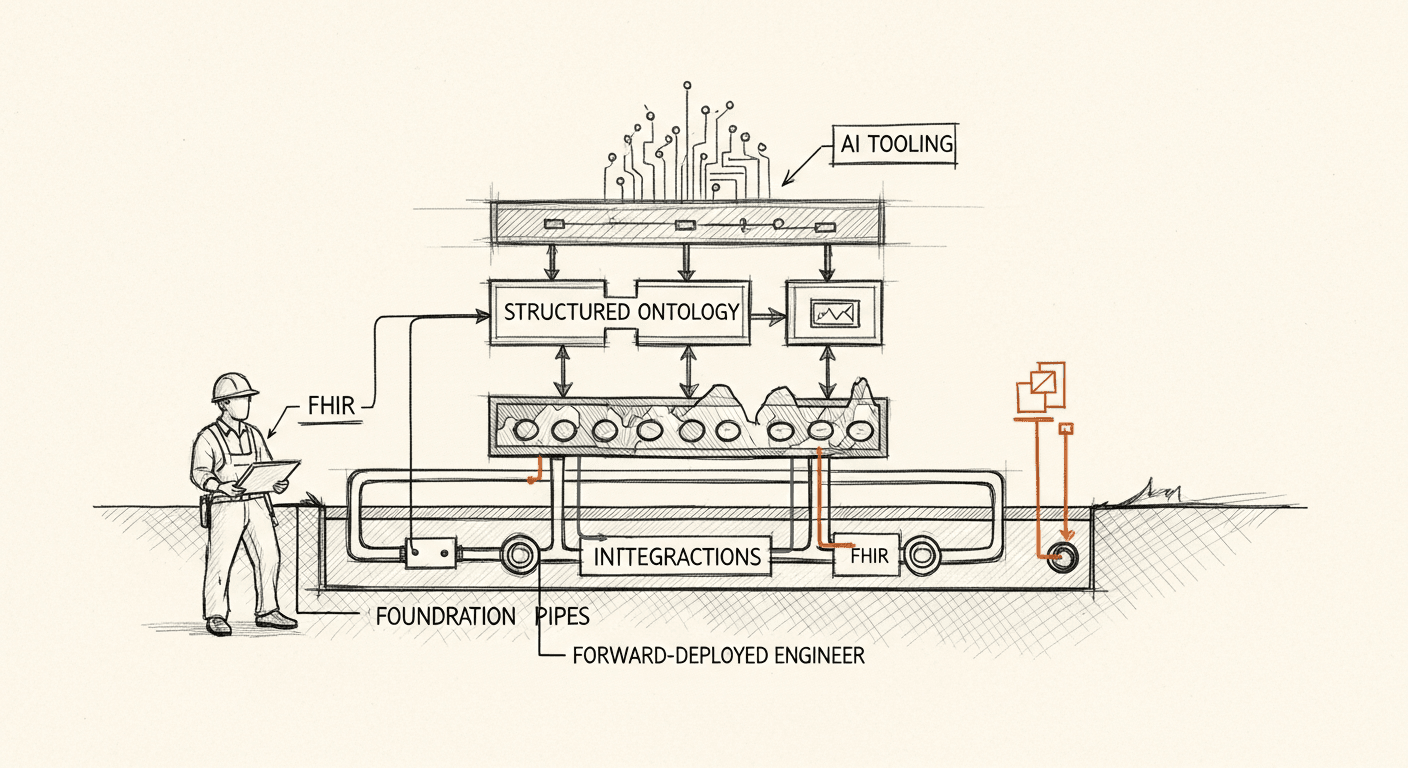
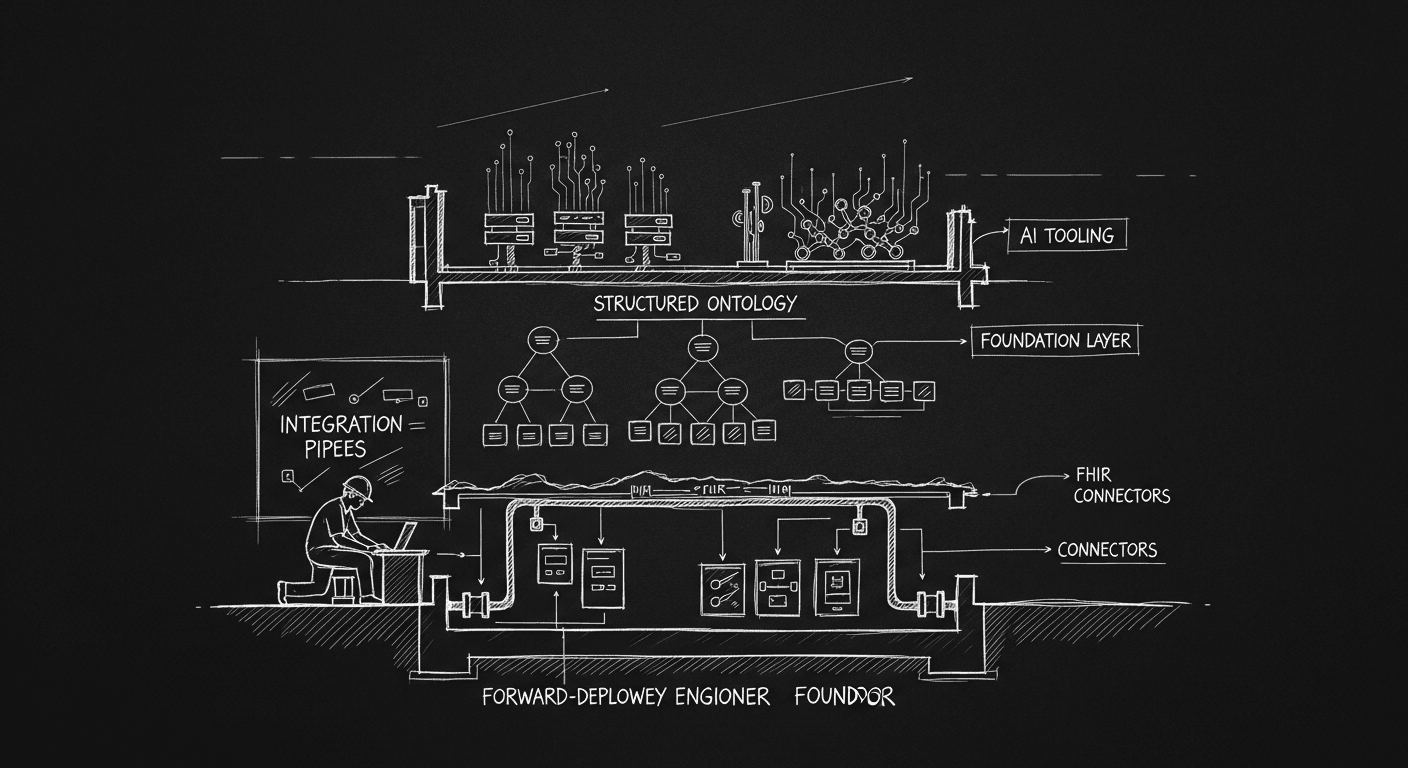
Healthcare AI Will Be Won by Verticals. The Recipe Has Been Around for a Decade.
Most healthcare AI companies are failing for the same reason. The ones winning are all running the same playbook — one that Palantir figured out long before anyone called it AI. Forward-deployed engineer. Ontology. Integrations. Then AI tooling, and only then.

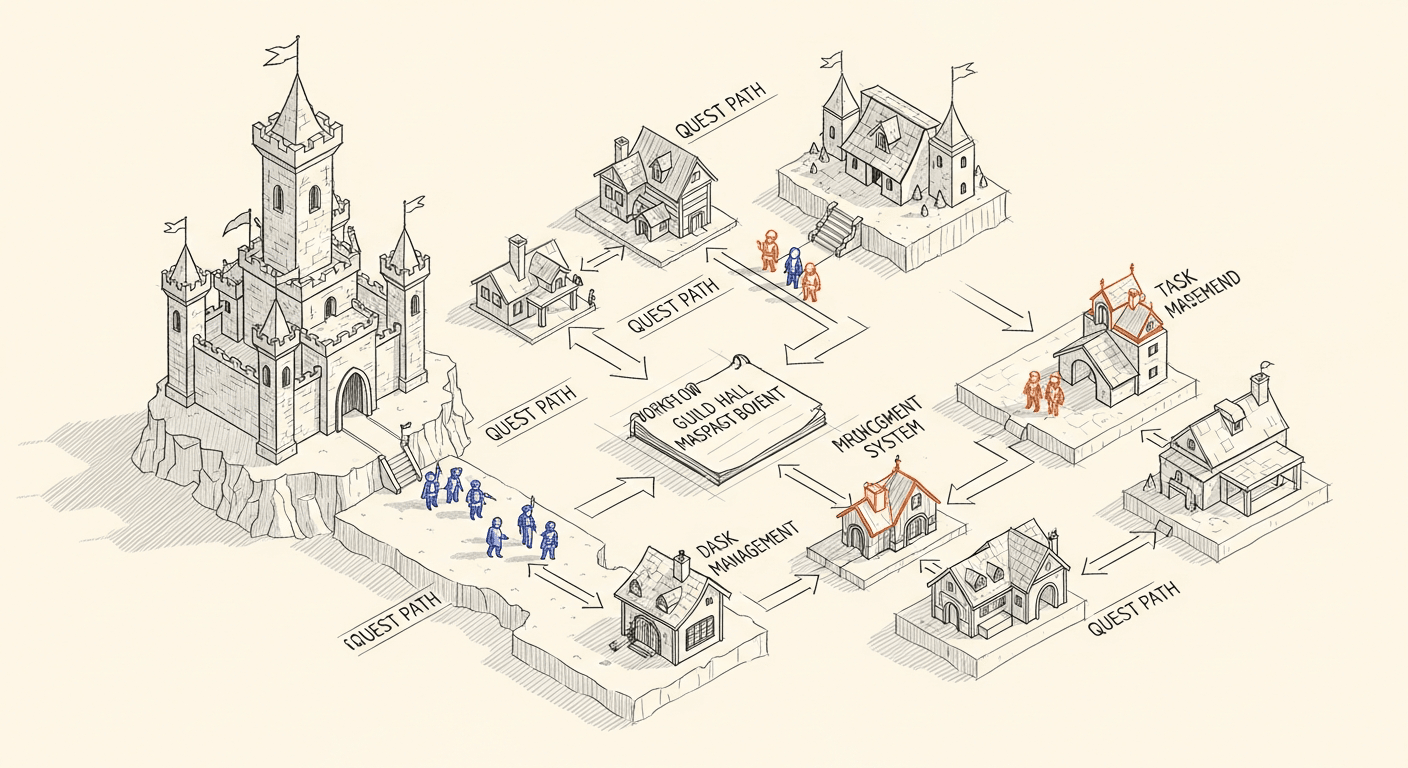
Penpal: Dispatch Tool Today, RPG Interface Tomorrow
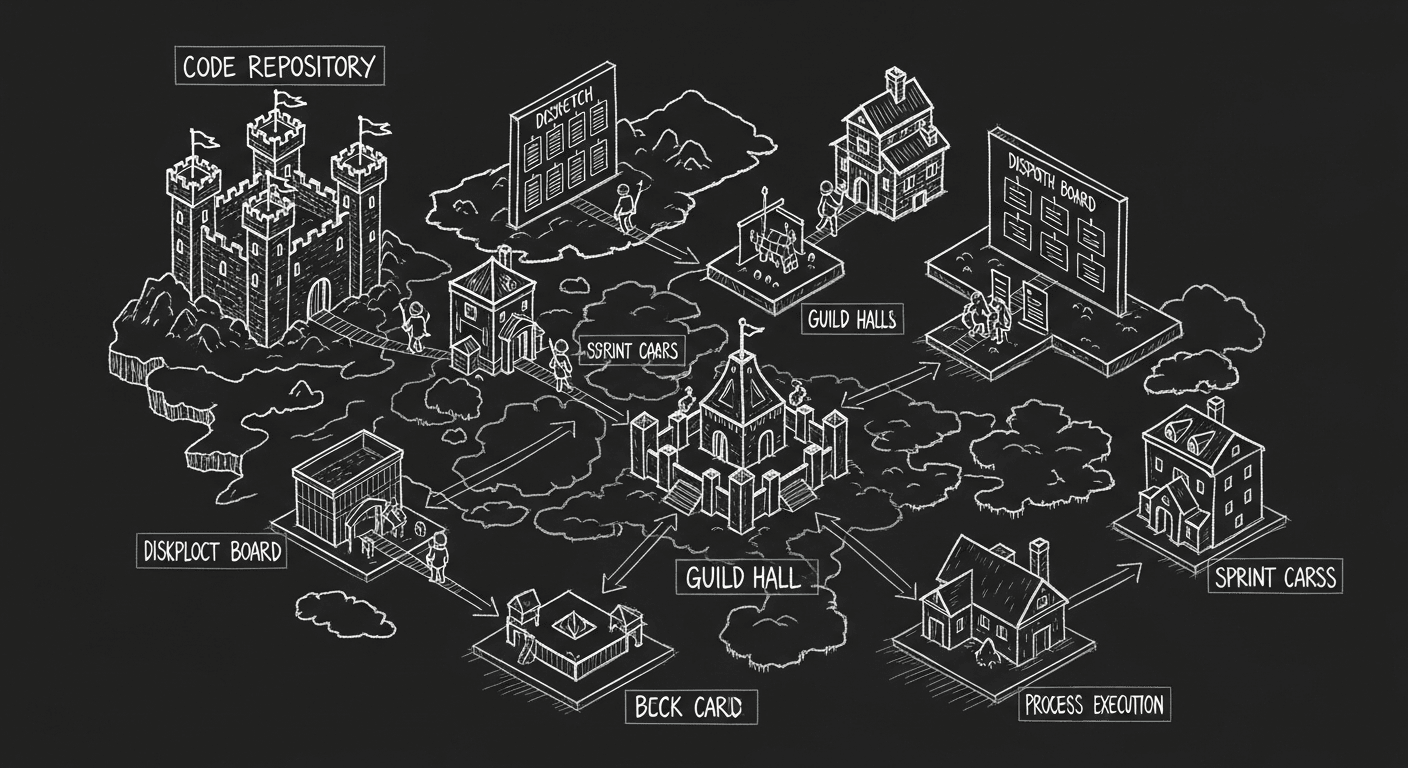
I built a tool that turns GitHub issues into pull requests using a three-agent pipeline. That's the boring part. The interesting part is what happens when you stop thinking about AI agents as productivity tools and start thinking about them as a workforce — and you build a world for them to live in.
Mirth Connect, what happened? Here's What Comes Next.
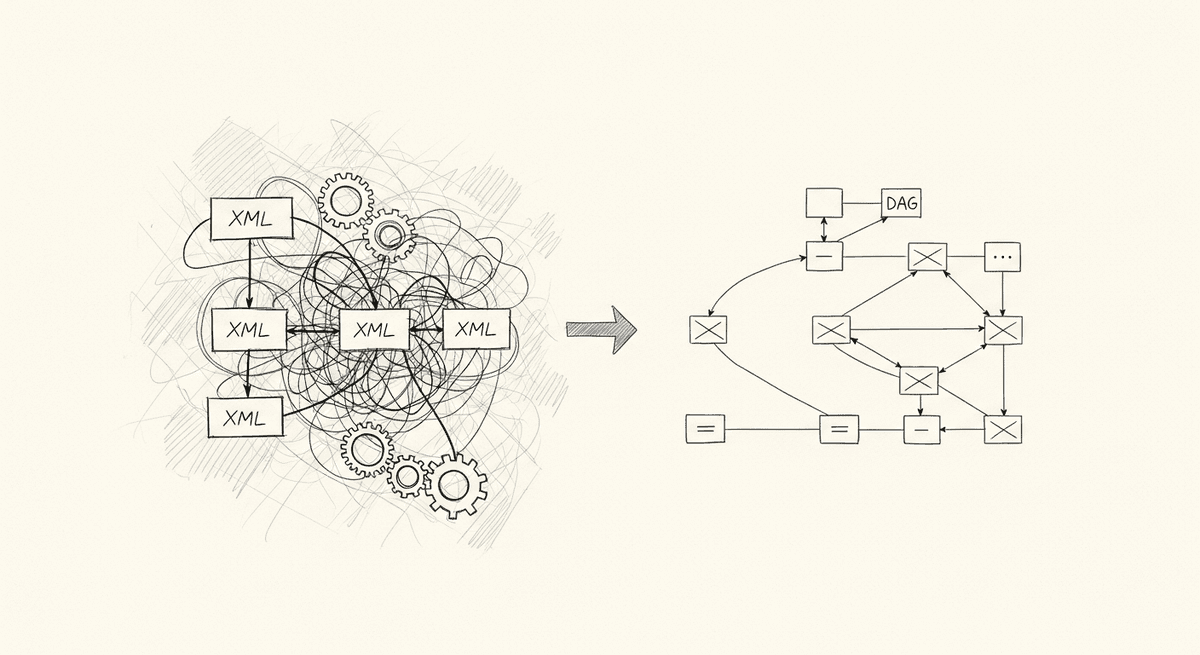
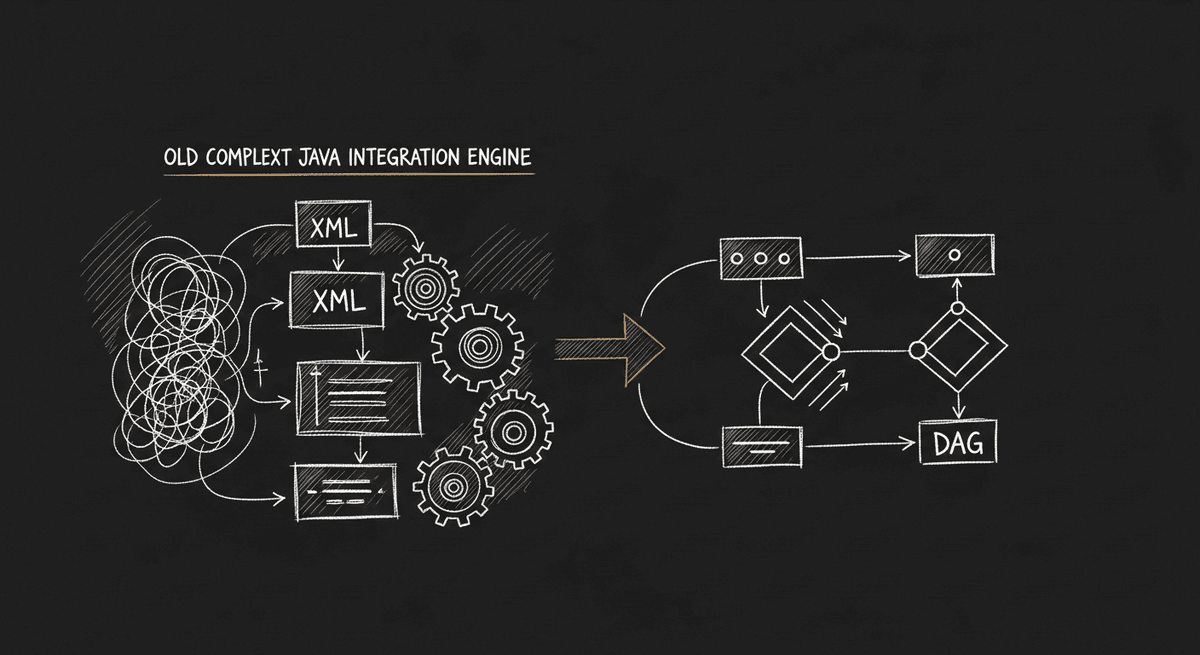
Mirth democratized healthcare integration. Then NextGen acquired it, and the world moved on. After 12 years of building on top of it, here's what the next generation of integration tooling looks like — and why it was inevitable.
Product Evals in Three Steps (That You'll Actually Do)
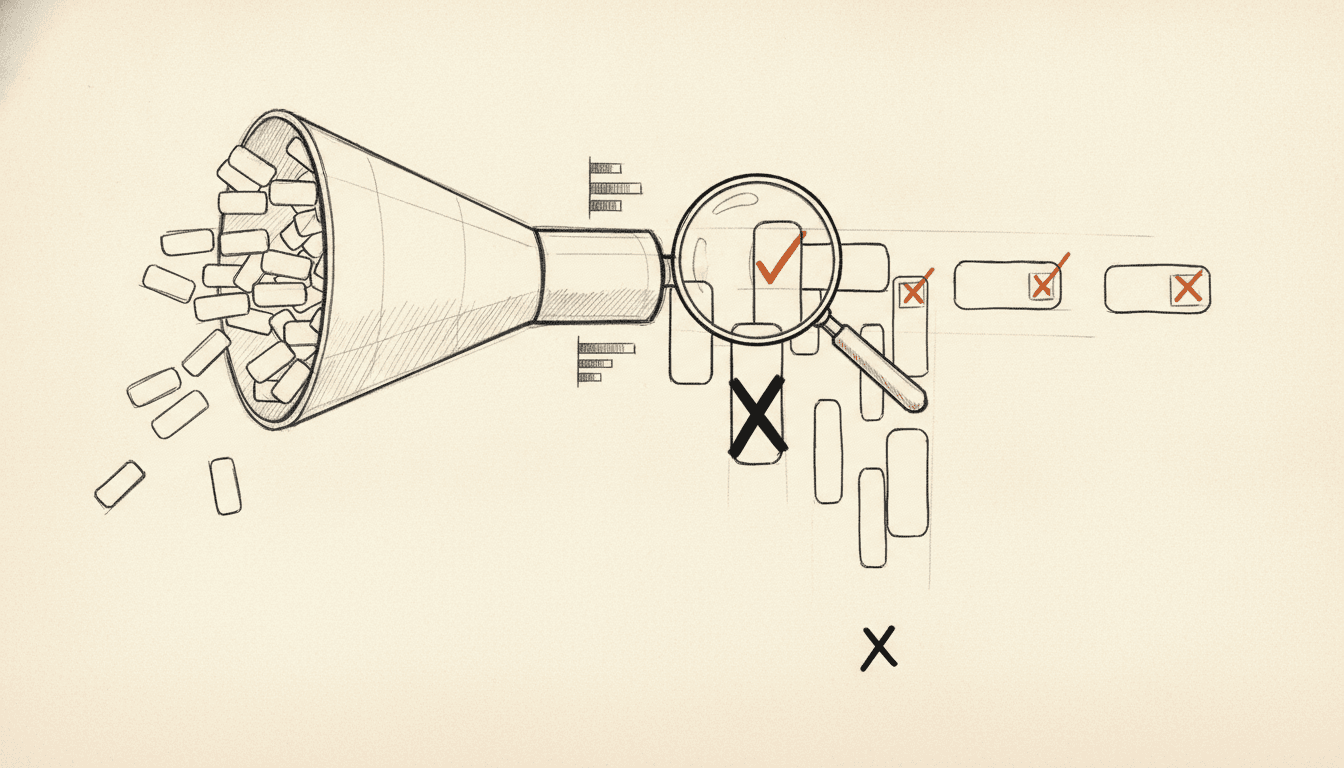
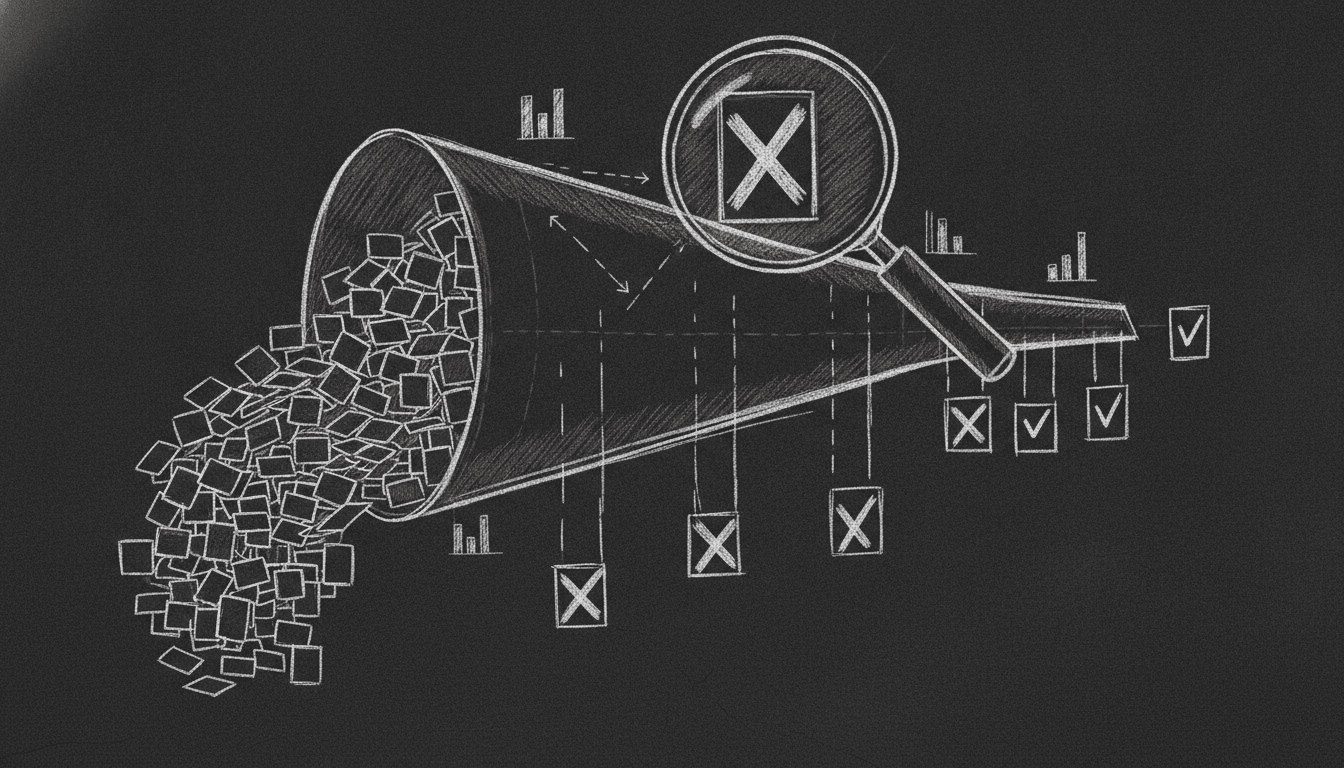
Most teams skip evals because the process feels overwhelming. Here is the three-step framework that makes eval-driven development achievable: label a small dataset, calibrate an LLM evaluator to human judgment, then iterate configs against the harness. No excuses left.

Table Stakes for Pragmatic Development Using LLMs
Updated for 2026: lessons from two years of using Claude Code in production. Context engineering, real eval frameworks, model economics, and agent workflows — what actually works.

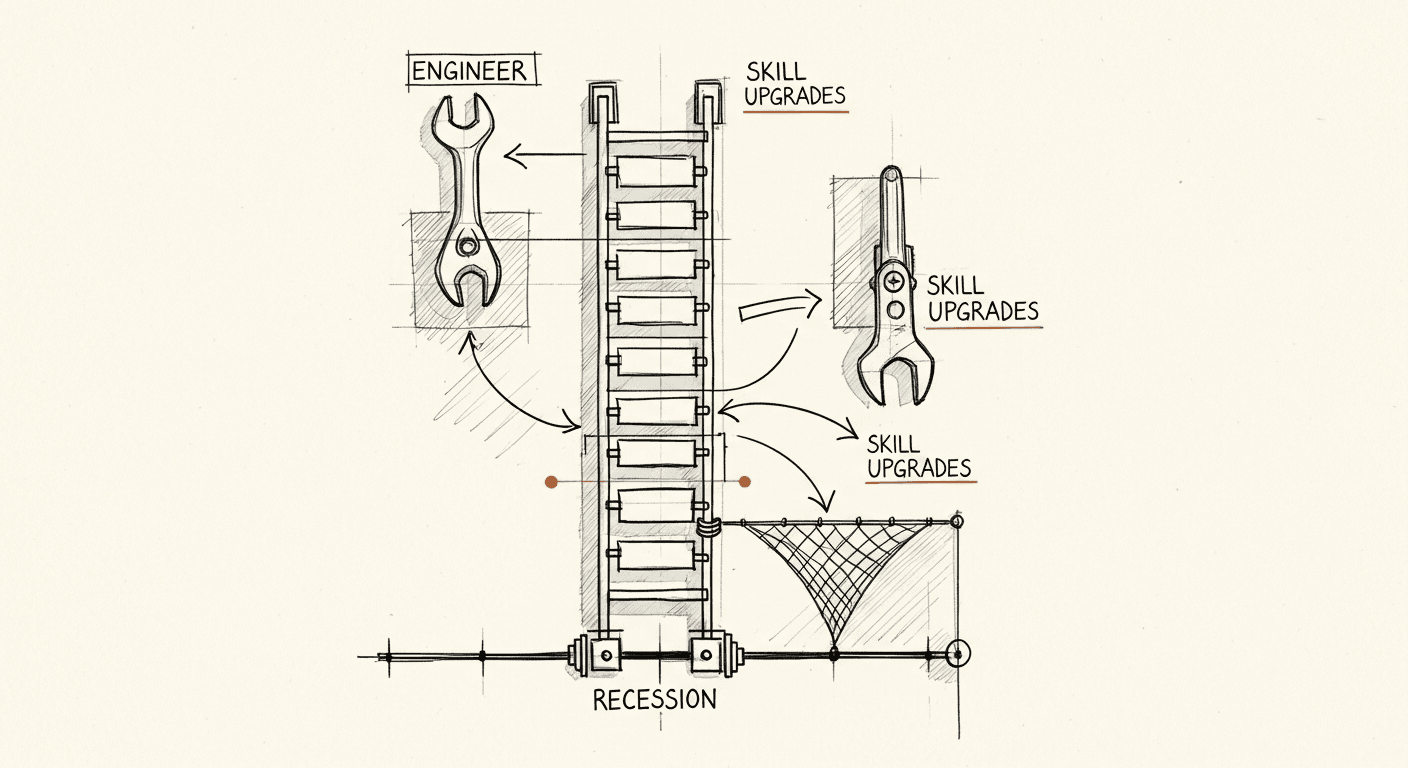
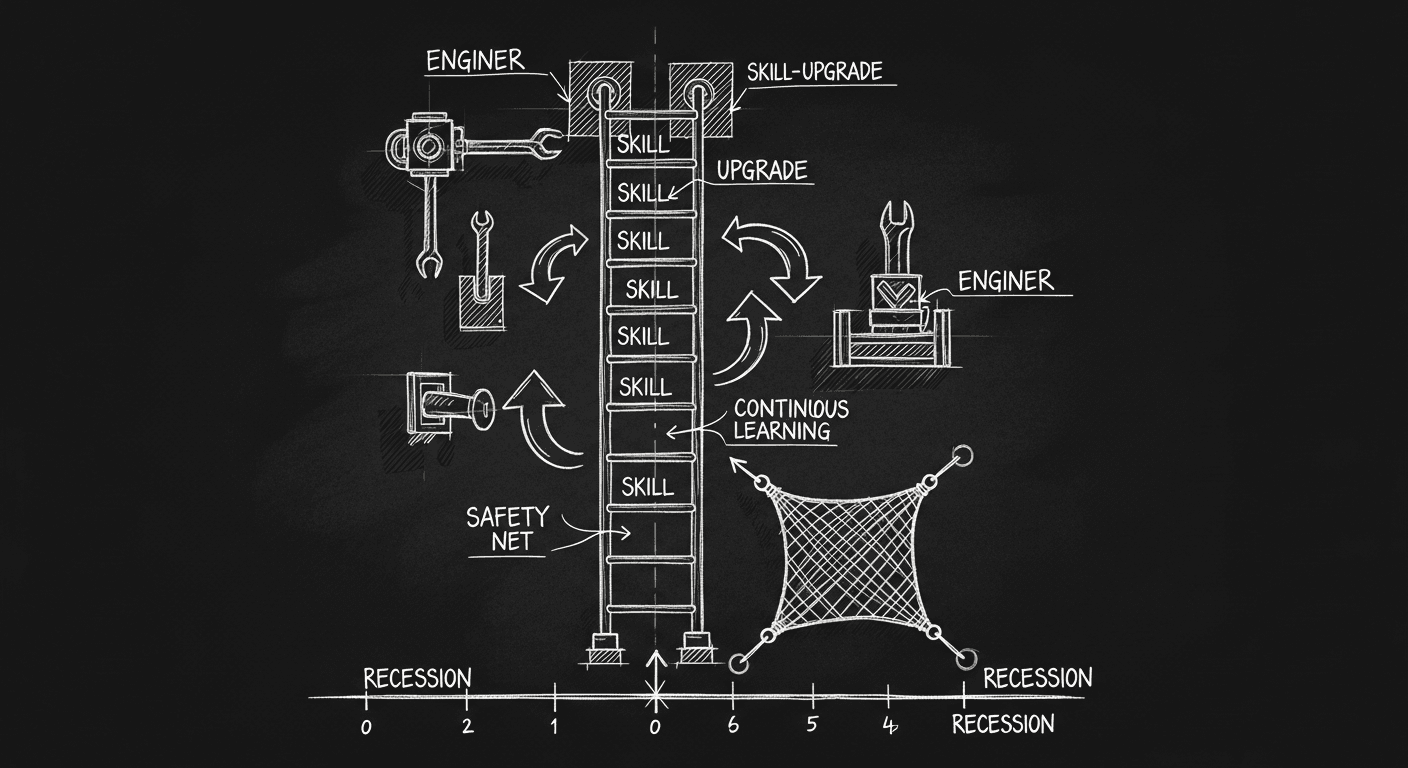
Staff Engineer Layoff Survival Guide: Lessons from 2008, 2020, 2023 — and Now
I've survived three tech recessions. Lost my job in one, held the axe in another. Now it's 2026 and the AI boom changed the rules. Here's the updated playbook.

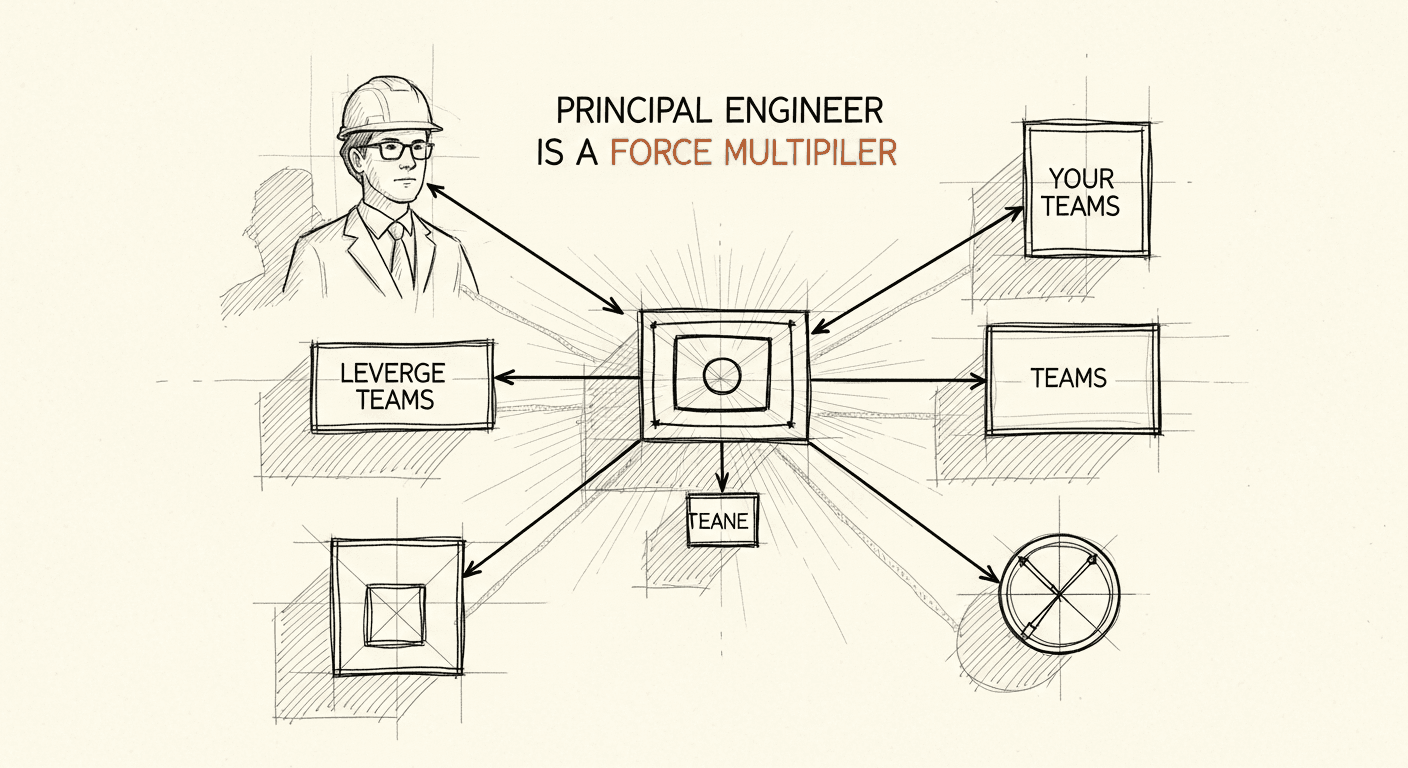
The Principal IC Playbook Nobody Shares With You
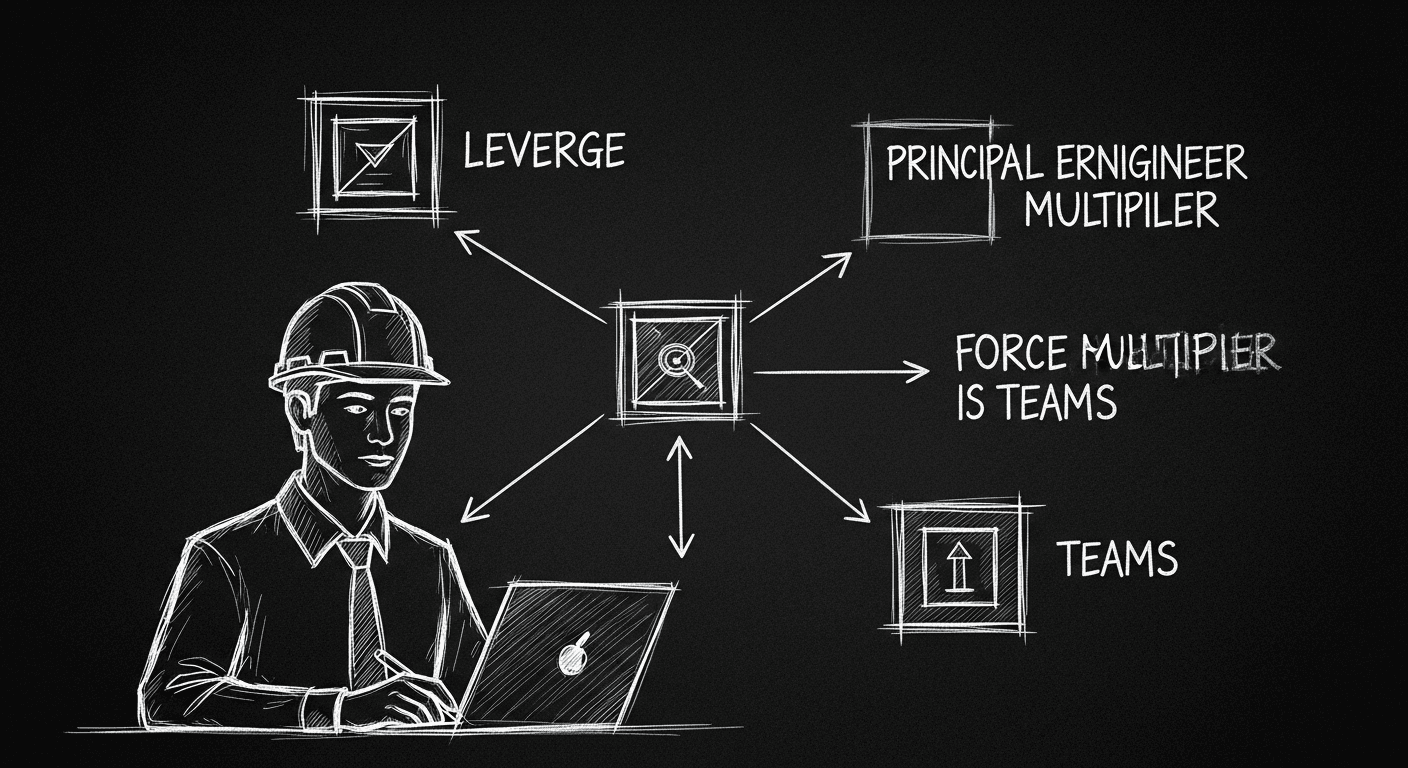
Reaching principal is the first rung of a new ladder, not the last rung of the old one. Here is what nobody told me about the ownership-autonomy paradox, how leverage actually works at this level, and the charter model I wish I had from day one.

The ESM Mess: JavaScript's Module System Is Still Broken and Here's Why
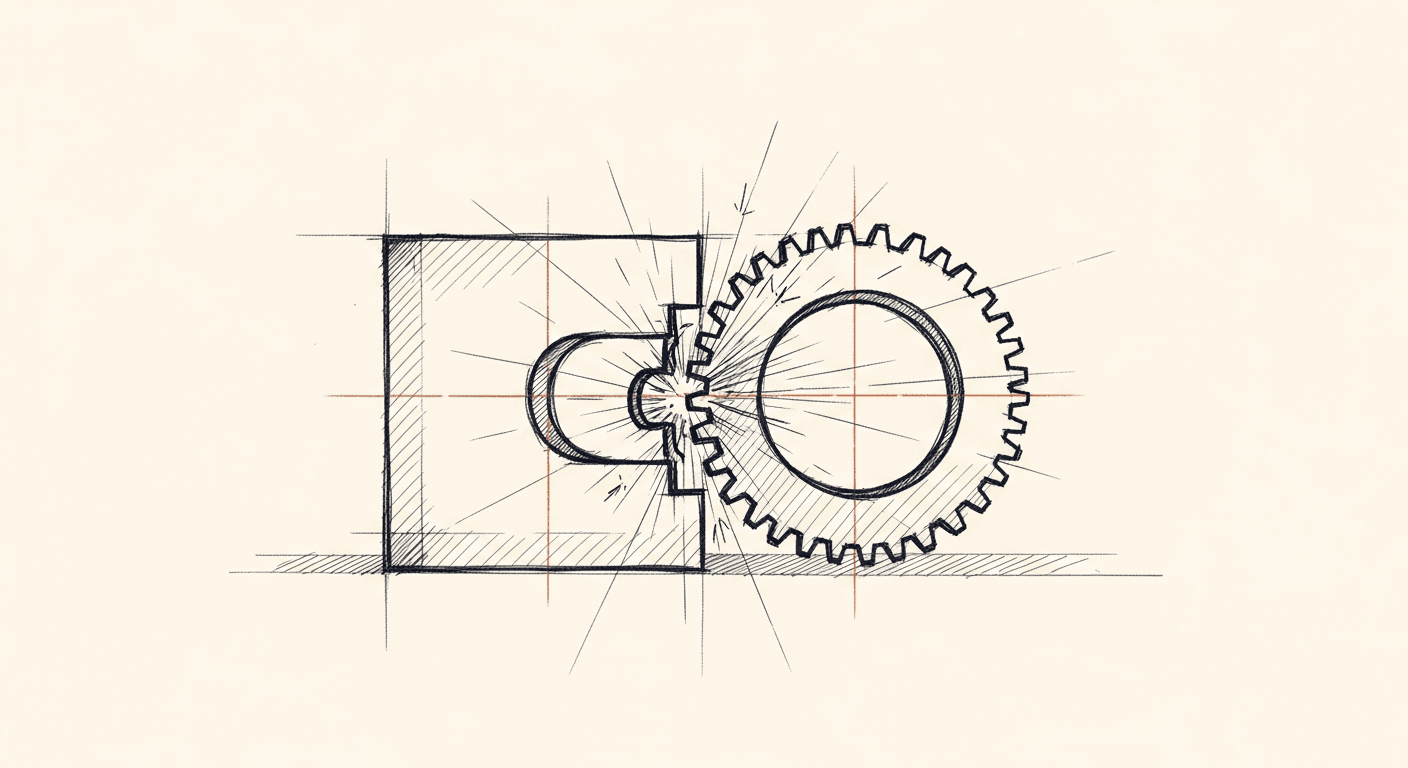
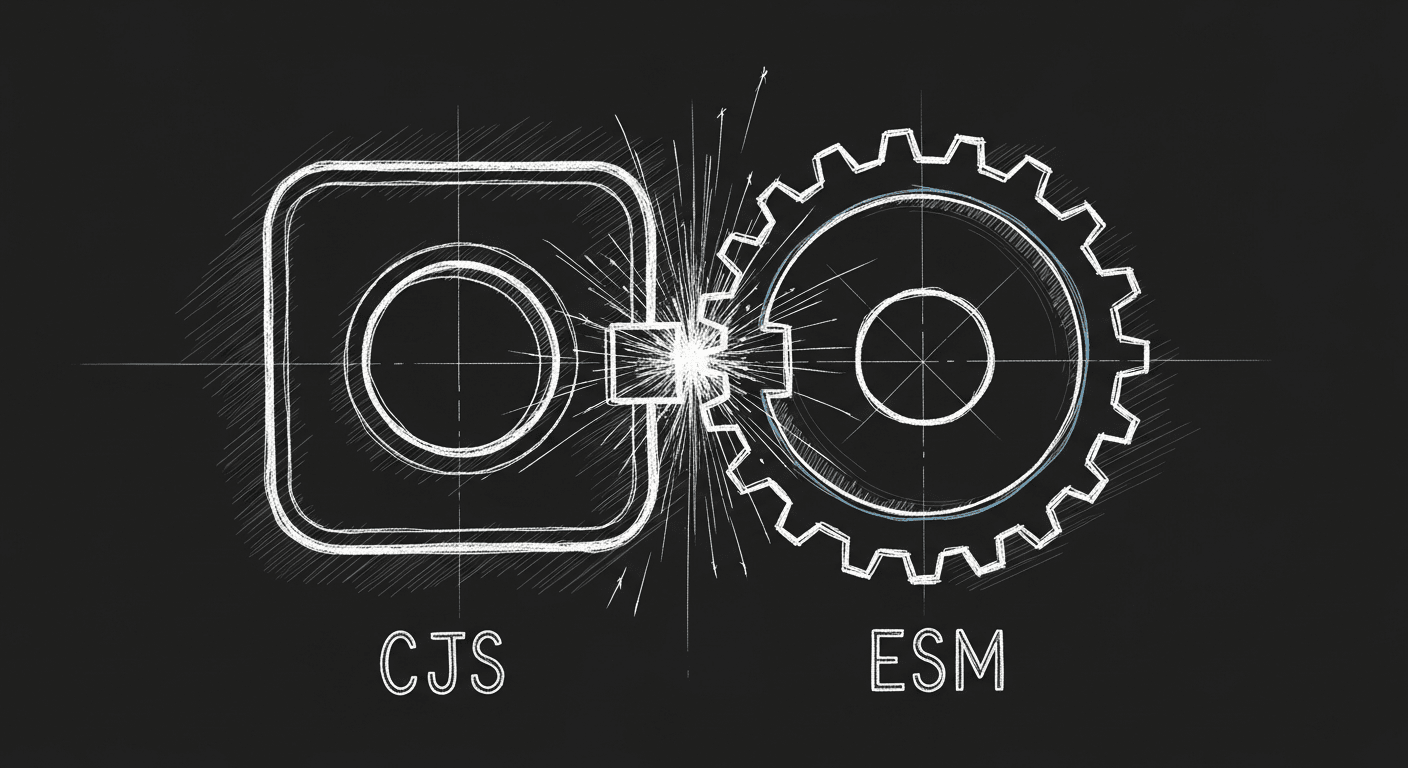
ES Modules have been the supposed future of JavaScript for nine years. Only 9-27% of the ecosystem has actually adopted them. Here's what's really going on, and how to survive until the ecosystem commits.

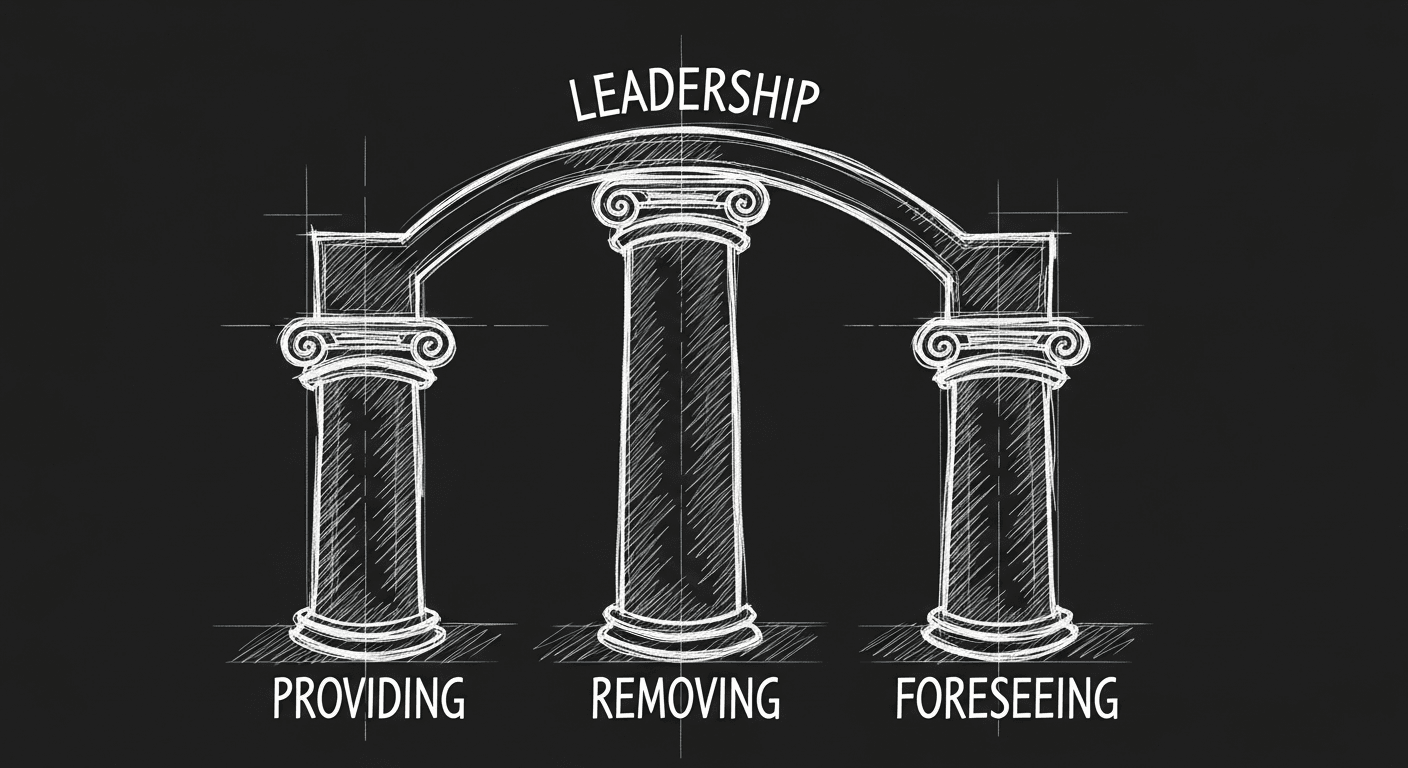
The Three Things Exceptional Engineering Leaders Do (And the One They Stop Doing)
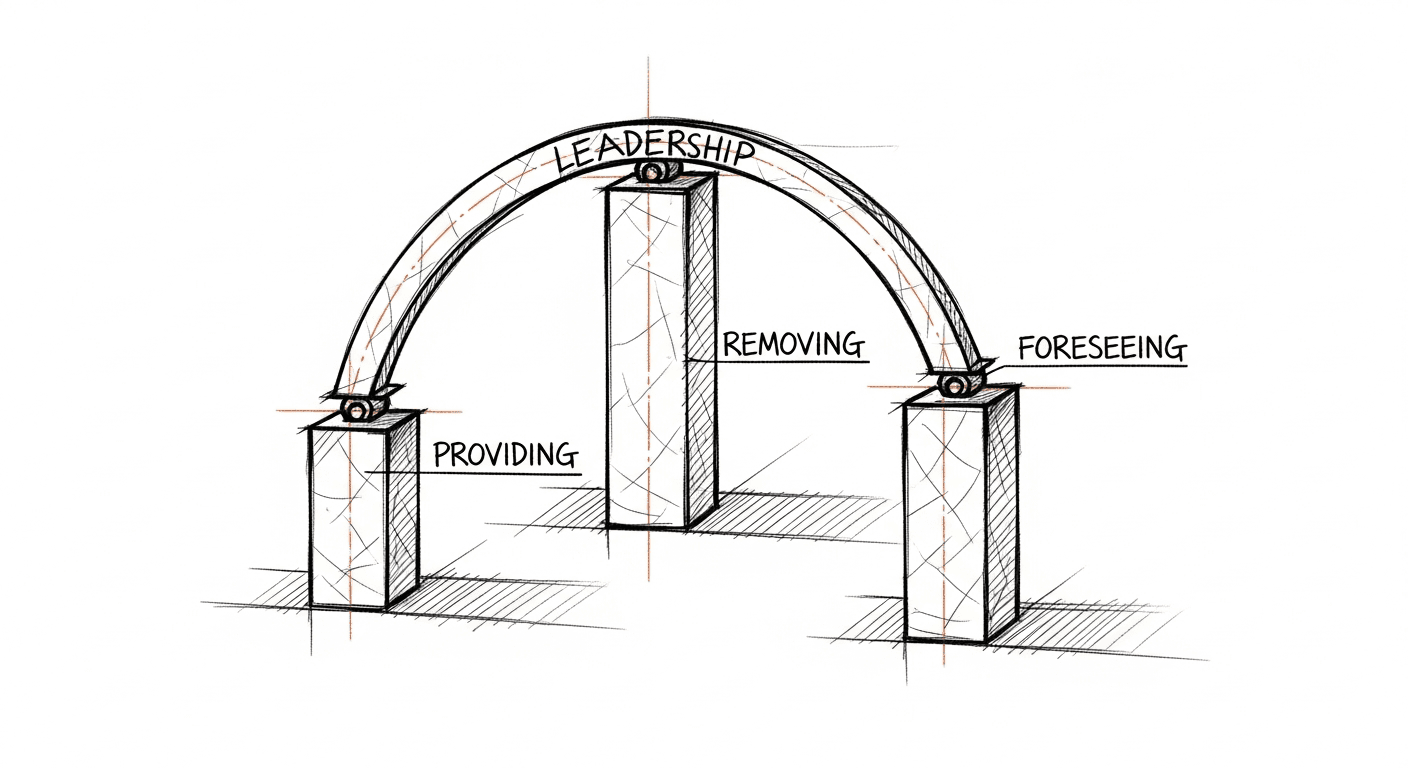
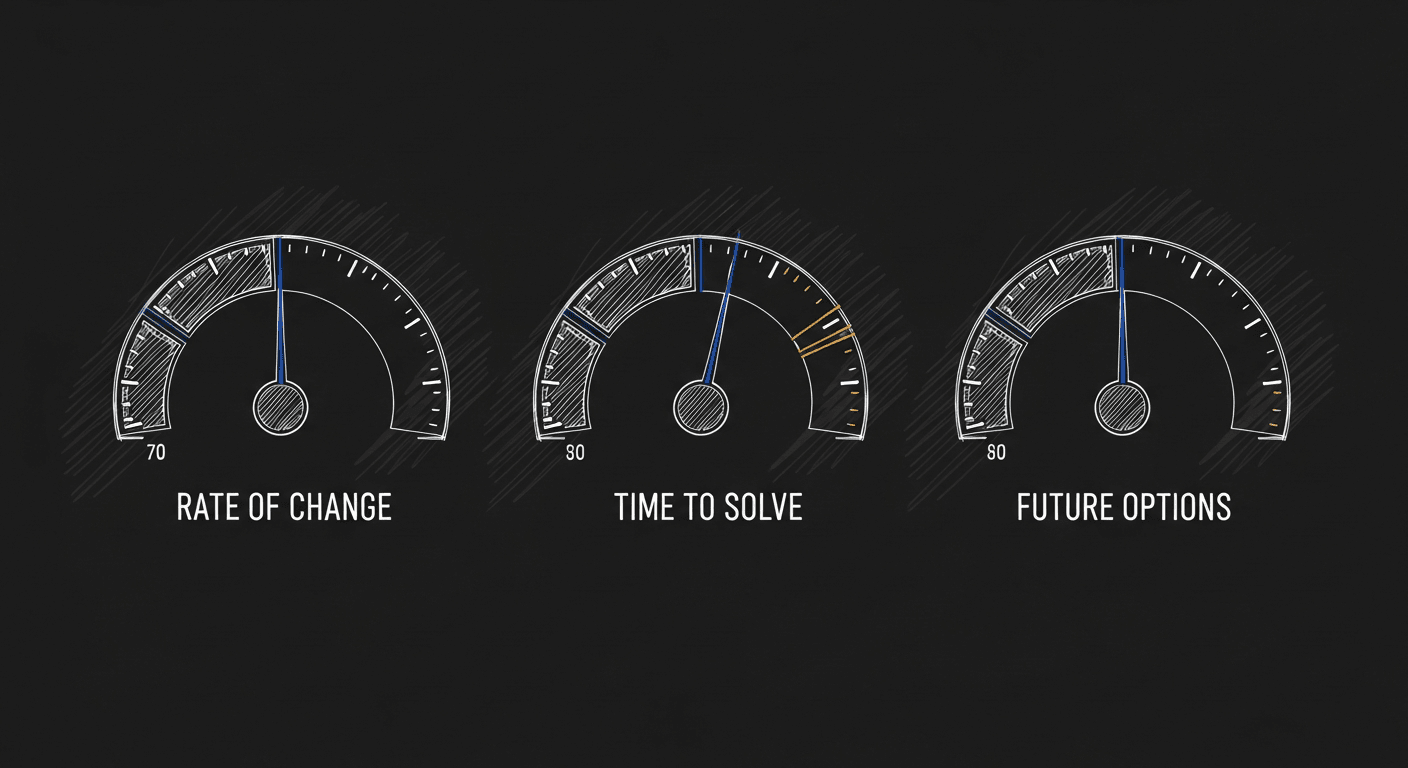
Most engineering leaders excel at one of three pillars — providing direction, removing obstacles, or foreseeing change — and quietly fail at the other two. After 12 years and more management mistakes than I care to count, here's what I've learned about building strength across all three.

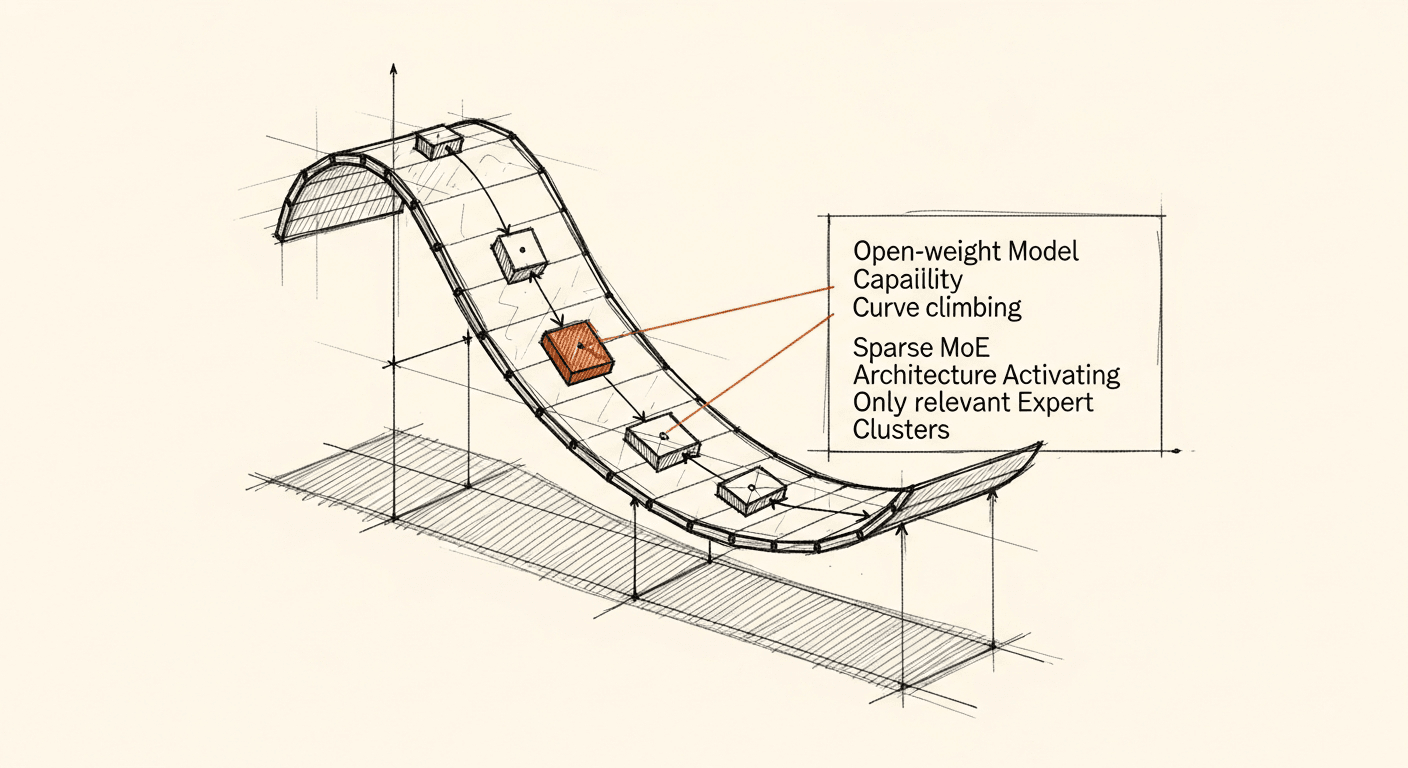
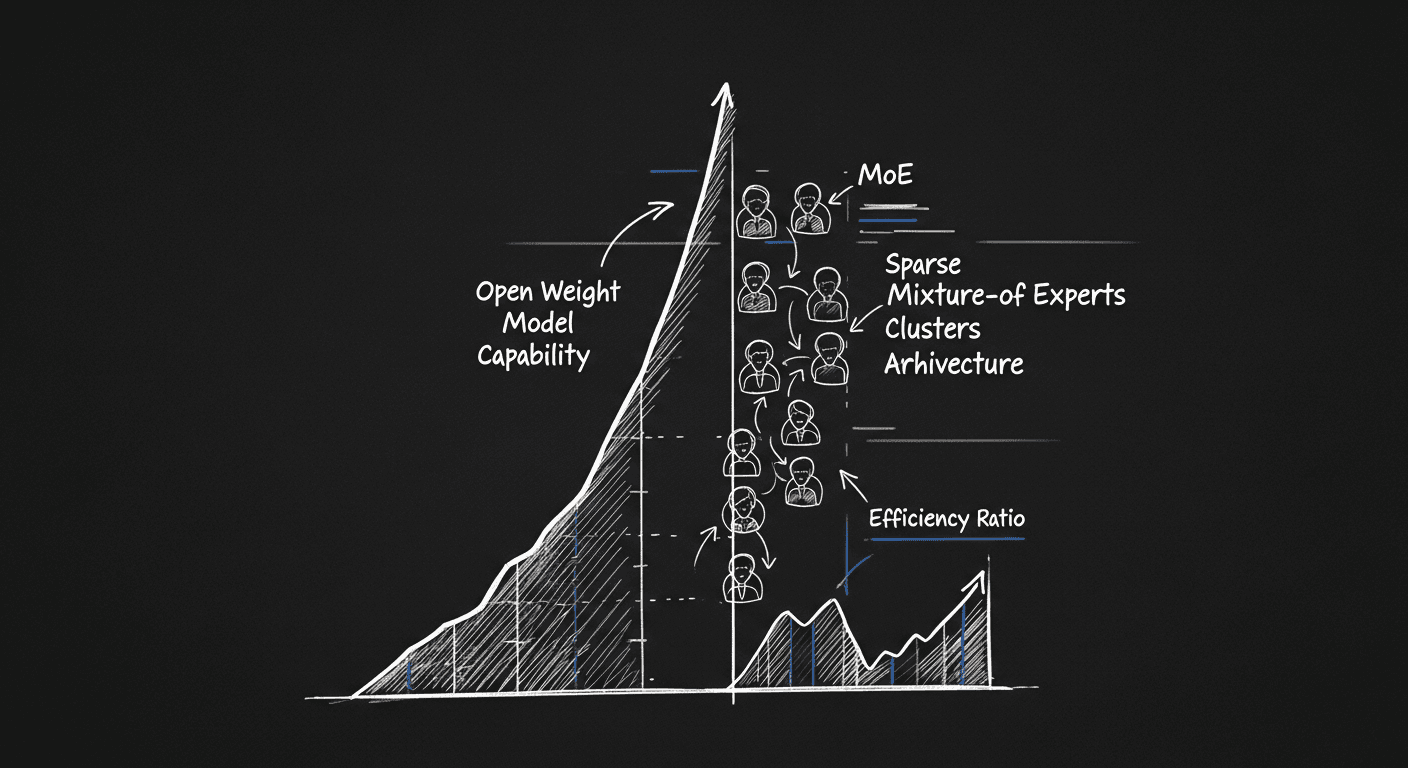
The Open-Weight LLM Landscape in 2026: What Engineers Actually Need to Know
The open-weight ecosystem has matured faster than most engineers realize. MoE proliferation, hybrid attention, and extended context windows are changing what's actually deployable on-premise — and that matters more than ever for healthcare AI.

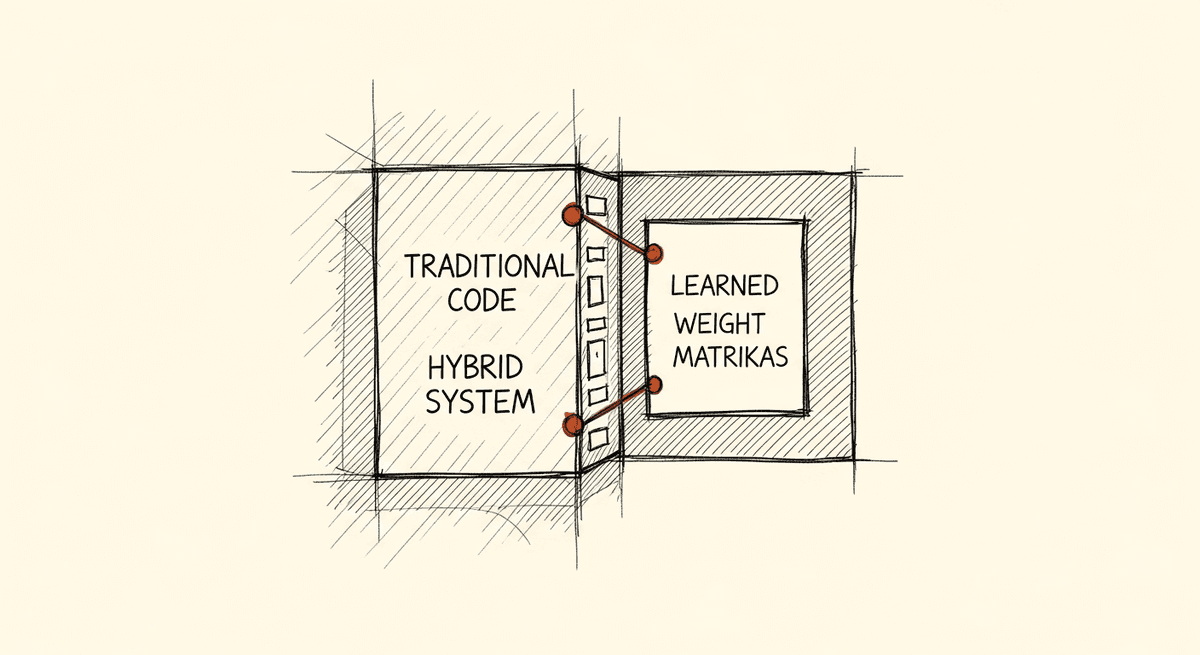
Software 2.0 Is Here and It Changed How I Think About Programming
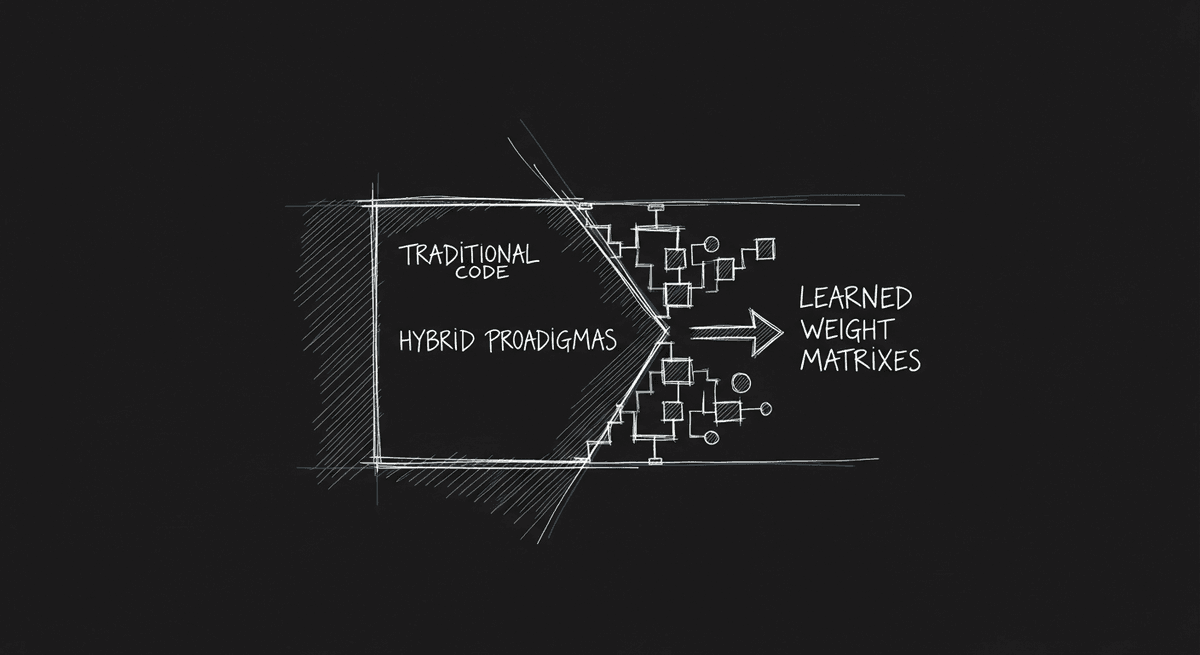
In 2017, a post called "Software 2.0" argued that neural networks would replace explicit logic as the dominant programming paradigm. Nine years later, that prediction has fully landed — and the implications for how we build software are bigger than most engineers want to admit.

Three Ways to Know If Your Career Is Actually Growing
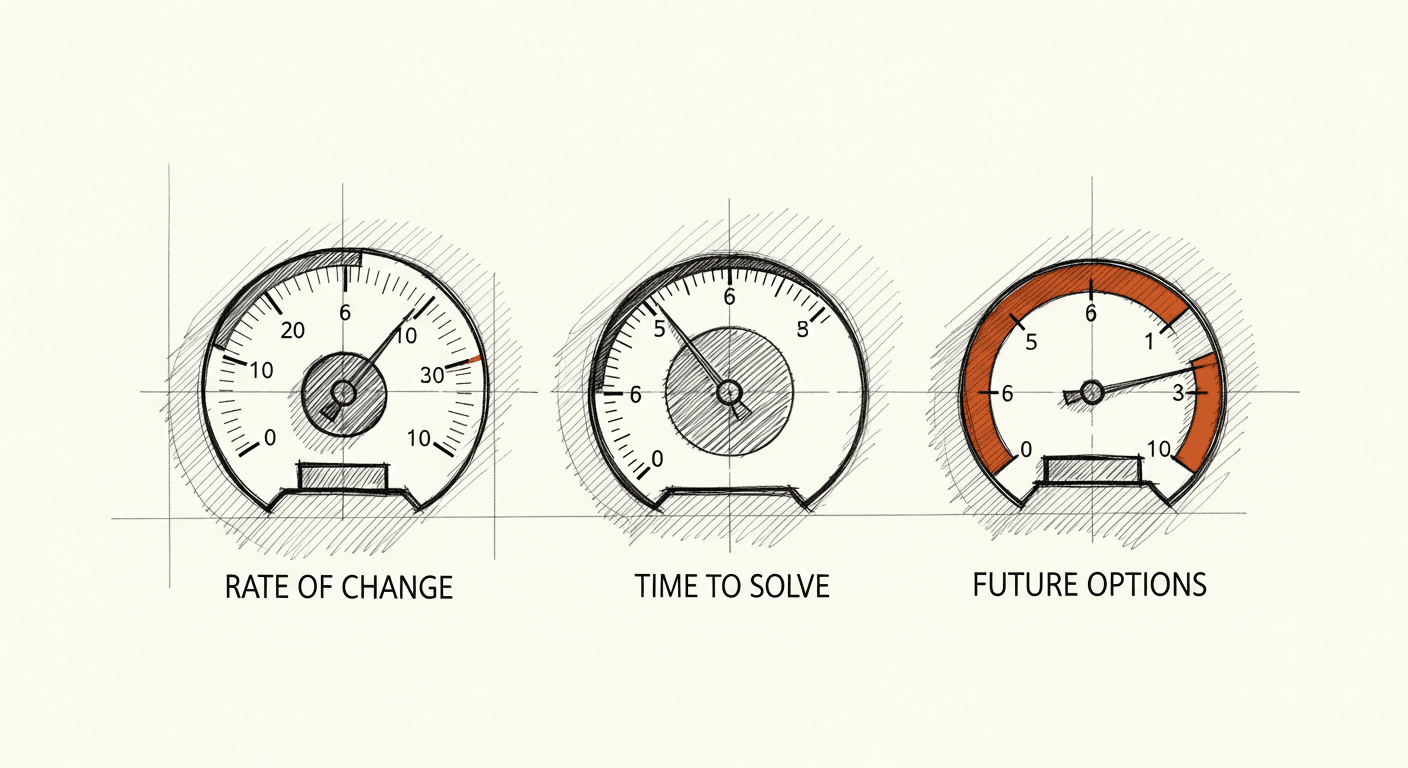
Normal career metrics — title, pay, team size — tell you how you're doing relative to others. They don't tell you whether you're growing. Here are three that do.

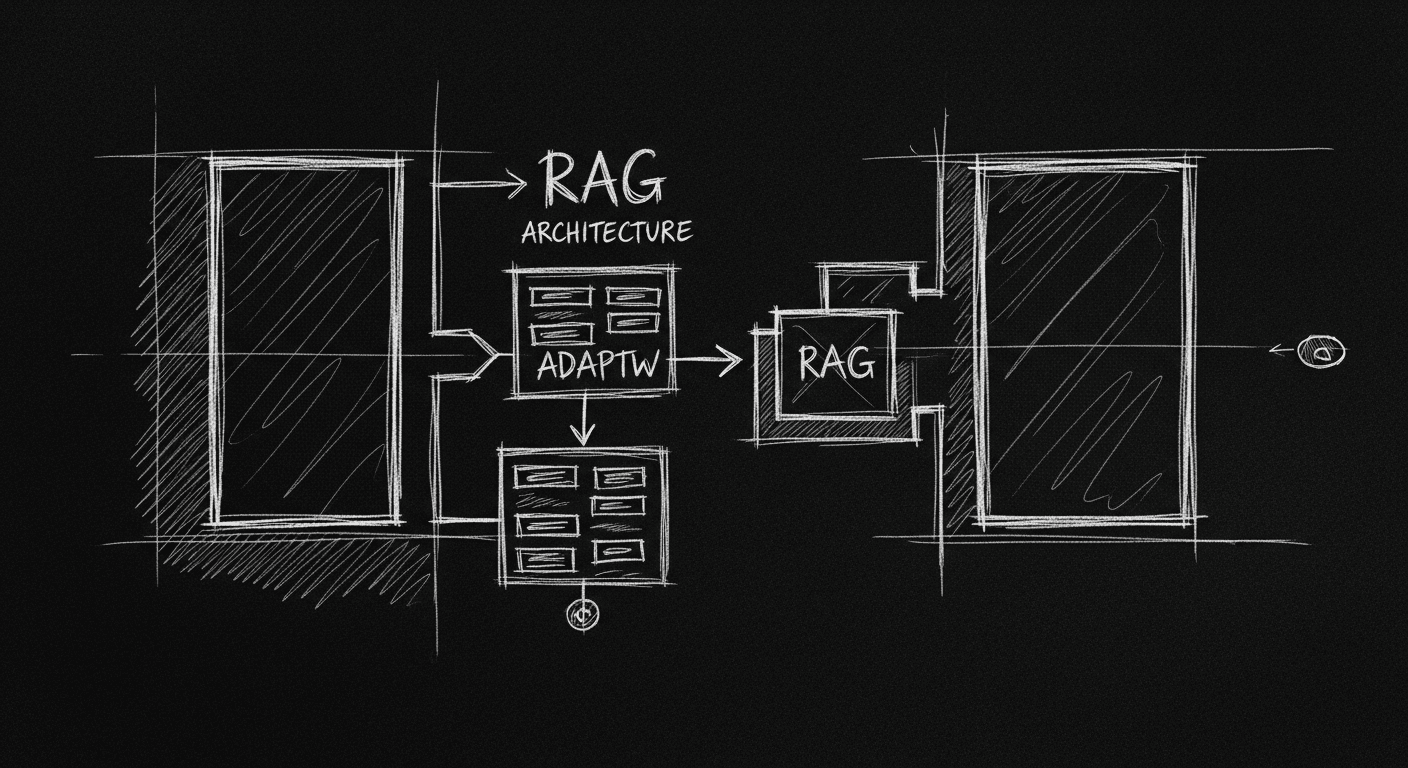
RAG Isn't Dead. You're Just Using It Wrong.
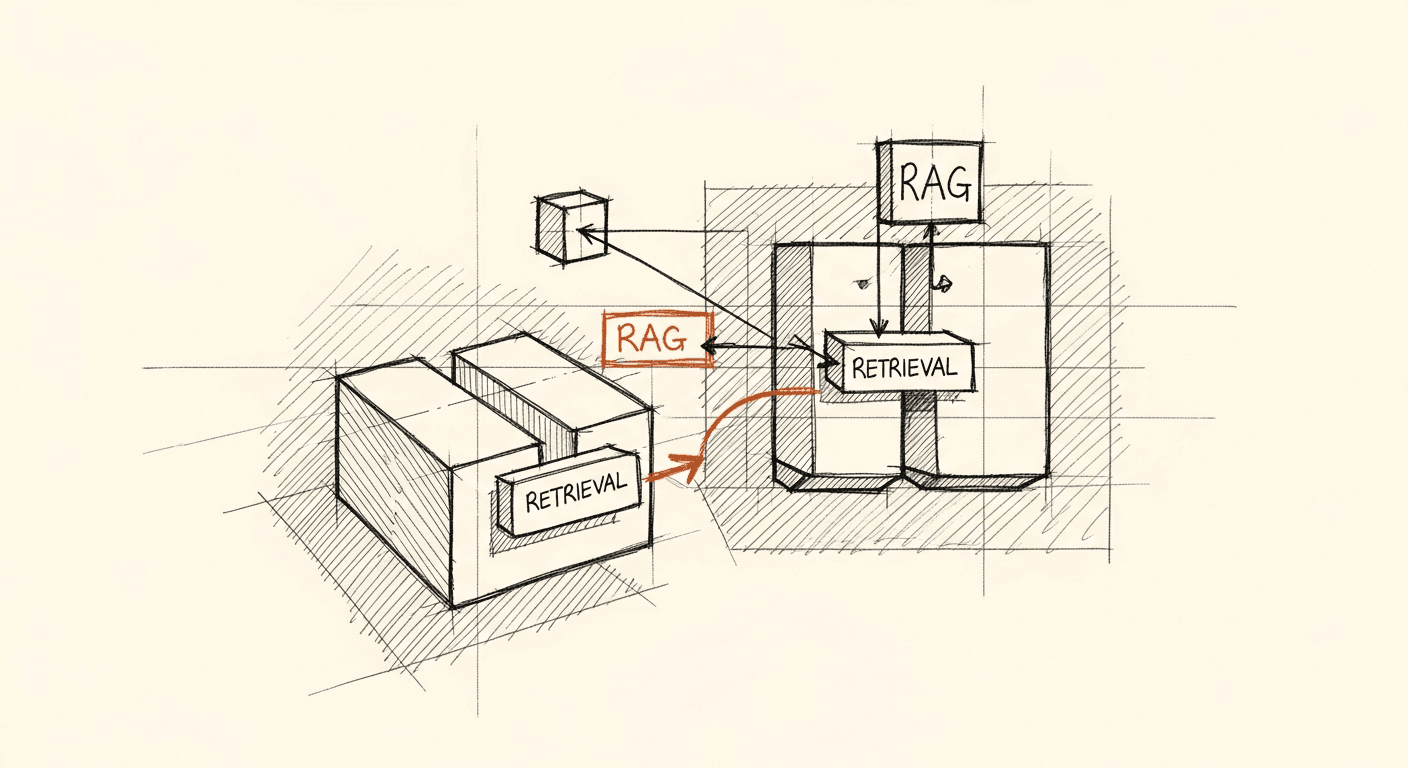
The 'RAG is dead' narrative is wrong — but it's wrong in an interesting way. After building RAG systems in healthcare production, here's what actually kills LLM context quality and what to do about it.

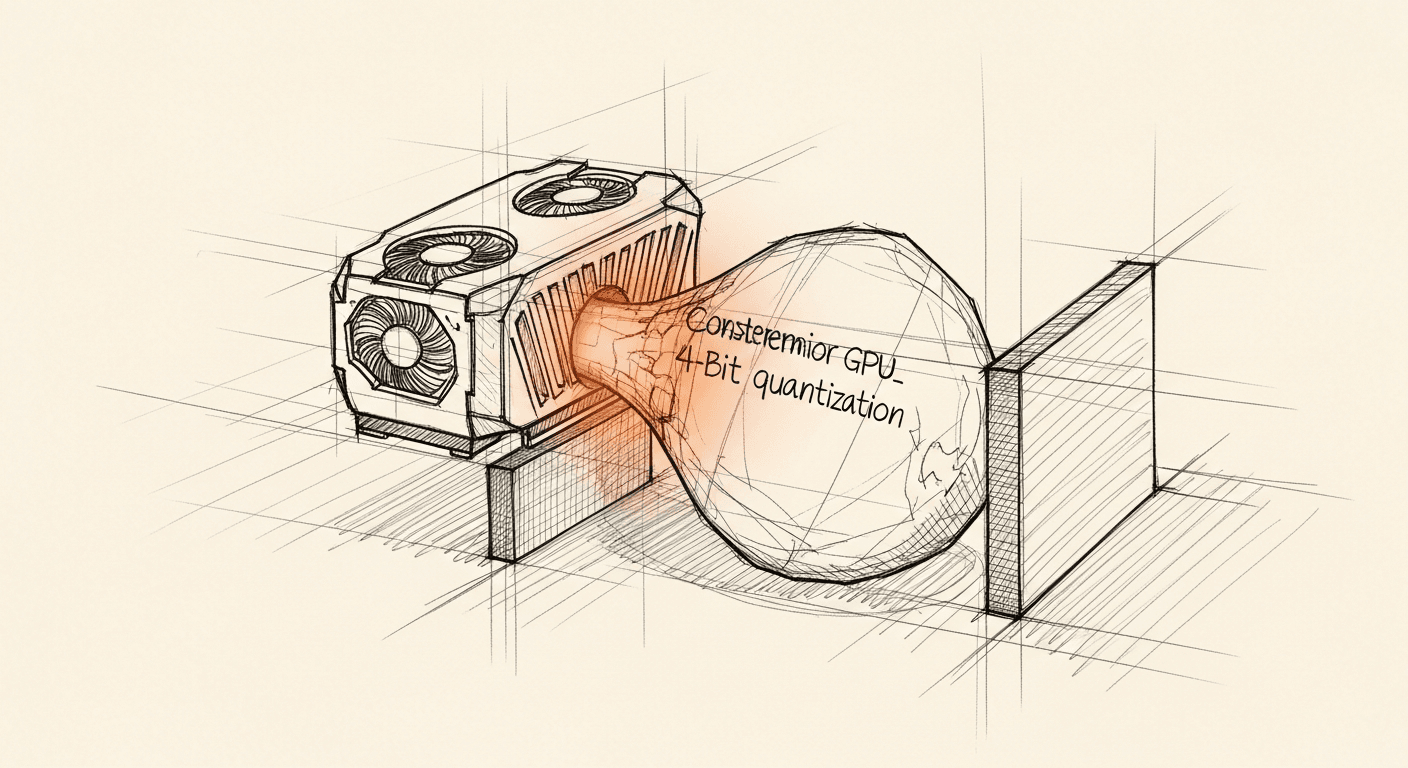
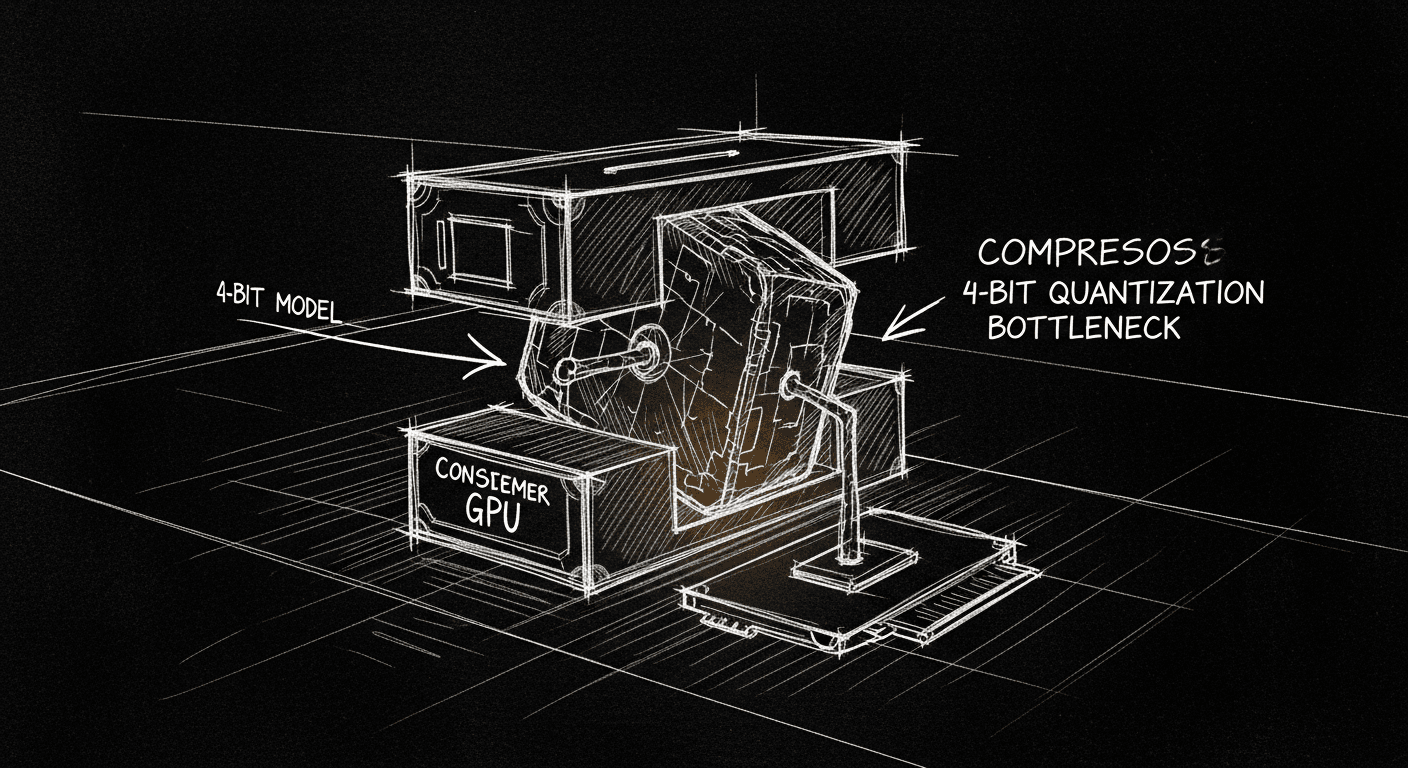
Fine-Tuning a 70B Model on a Consumer GPU: The Q-LoRA Practical Guide
Q-LoRA + SFTTrainer + Flash Attention v2 means you can fine-tune a 70B parameter model on 24GB of VRAM. Here is what that actually looks like end-to-end, what it costs in quality, and when you should just use the API instead.

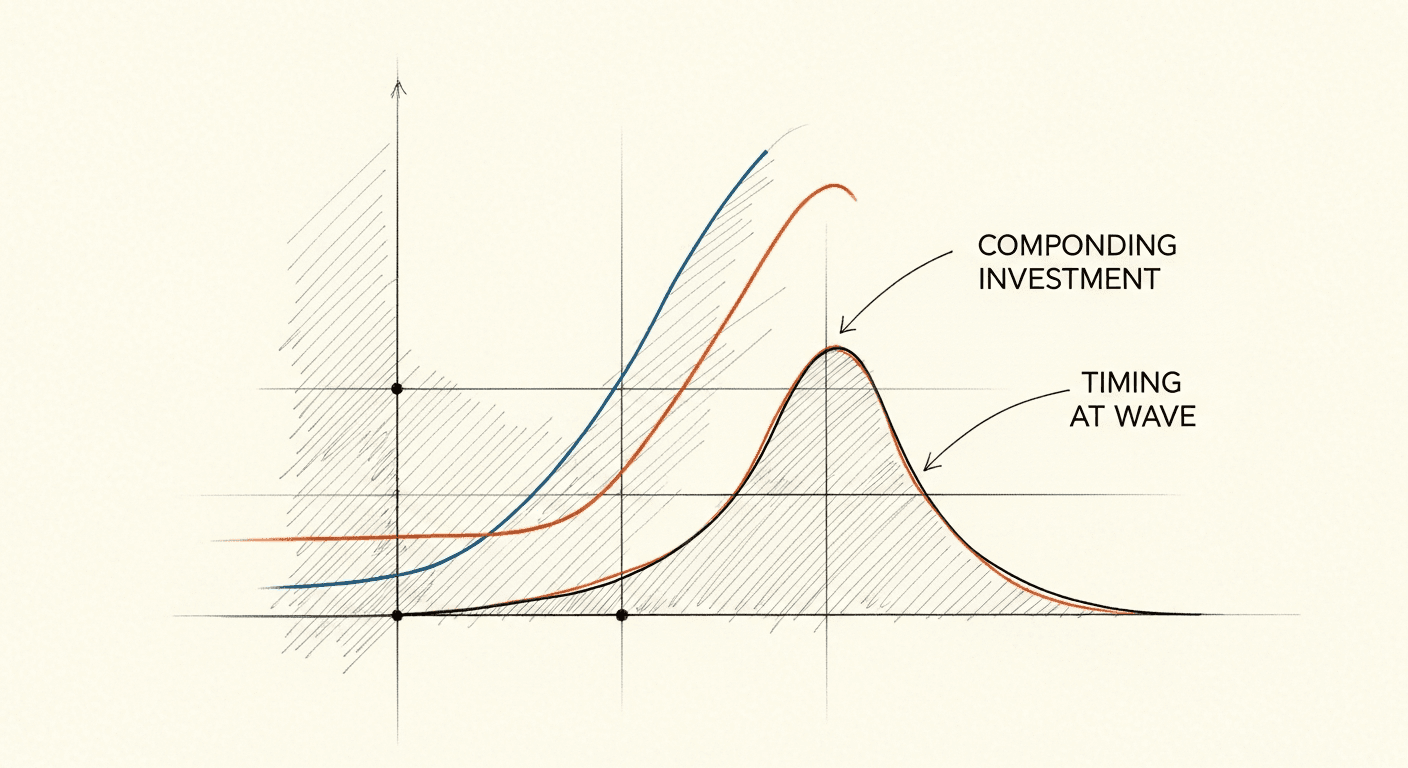
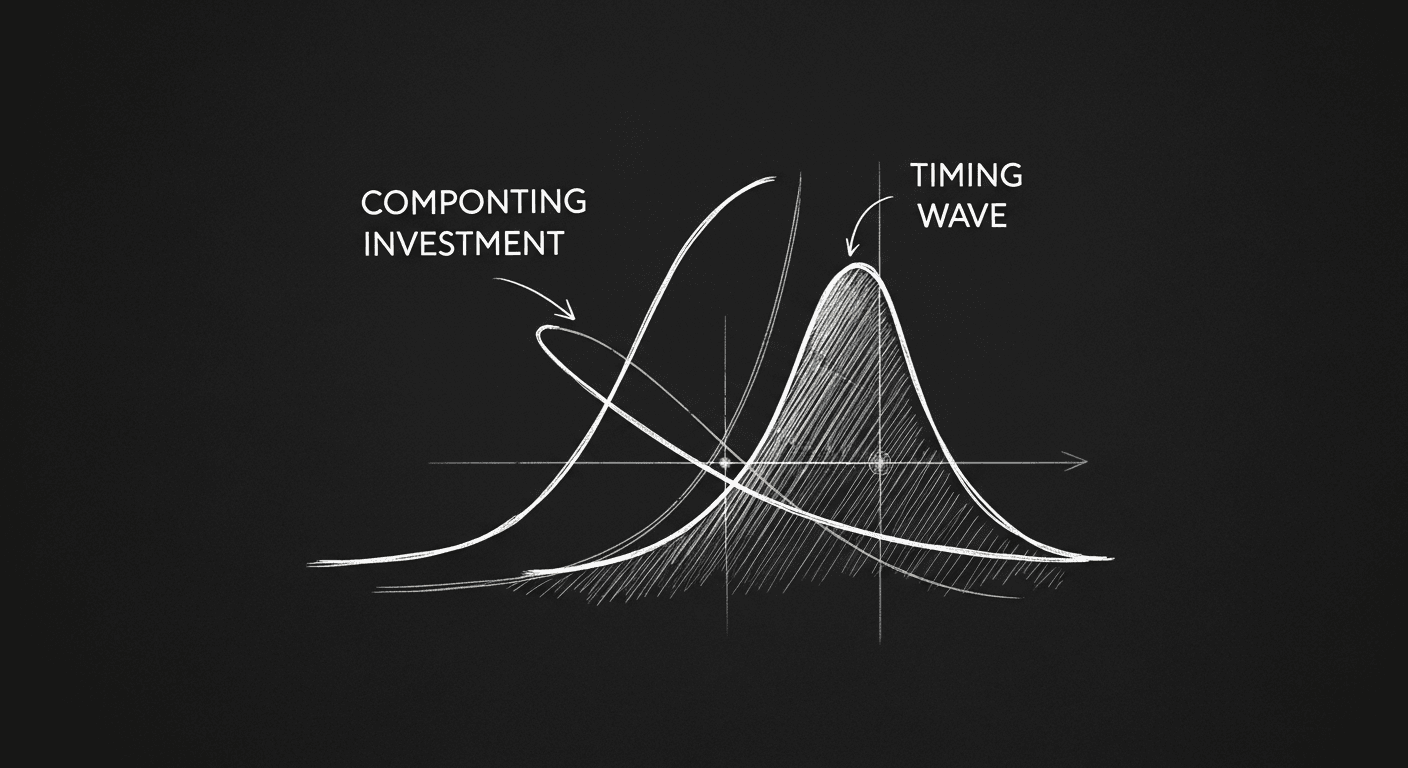
Time vs. Timing: The Career Framework I Wish I Had Earlier
I've made bets that paid off because of timing and bets that paid off because of compounding. Confusing the two is how careers stall.

The LLM Year in Review: What Actually Mattered in 2025 (And What Was Noise)
The prediction was: bigger models win. The reality was: DeepSeek R1 rewrote the rules in January and nothing was the same after that. Here is what 2025 actually taught us about reasoning, inference-time compute, and the changing economics of intelligence.