Articles from 2025
23 articles published in 2025.

From Contractor to Consultant: The Mindset Shift That Changes Your Income
Contractors sell time. Consultants sell results. After 12 years in AI and ML, I learned that distinction the hard way — and the moment it clicked changed how I price, position, and pick clients.

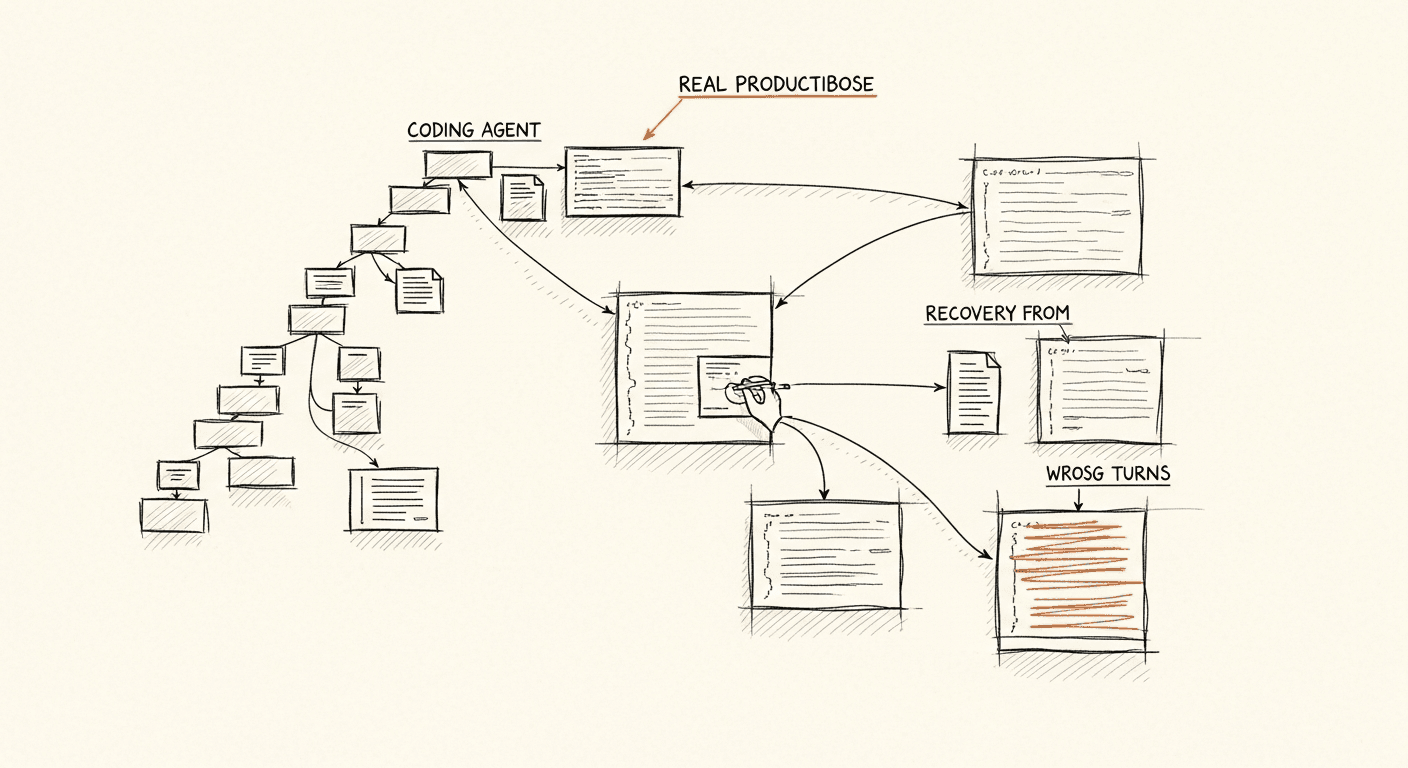
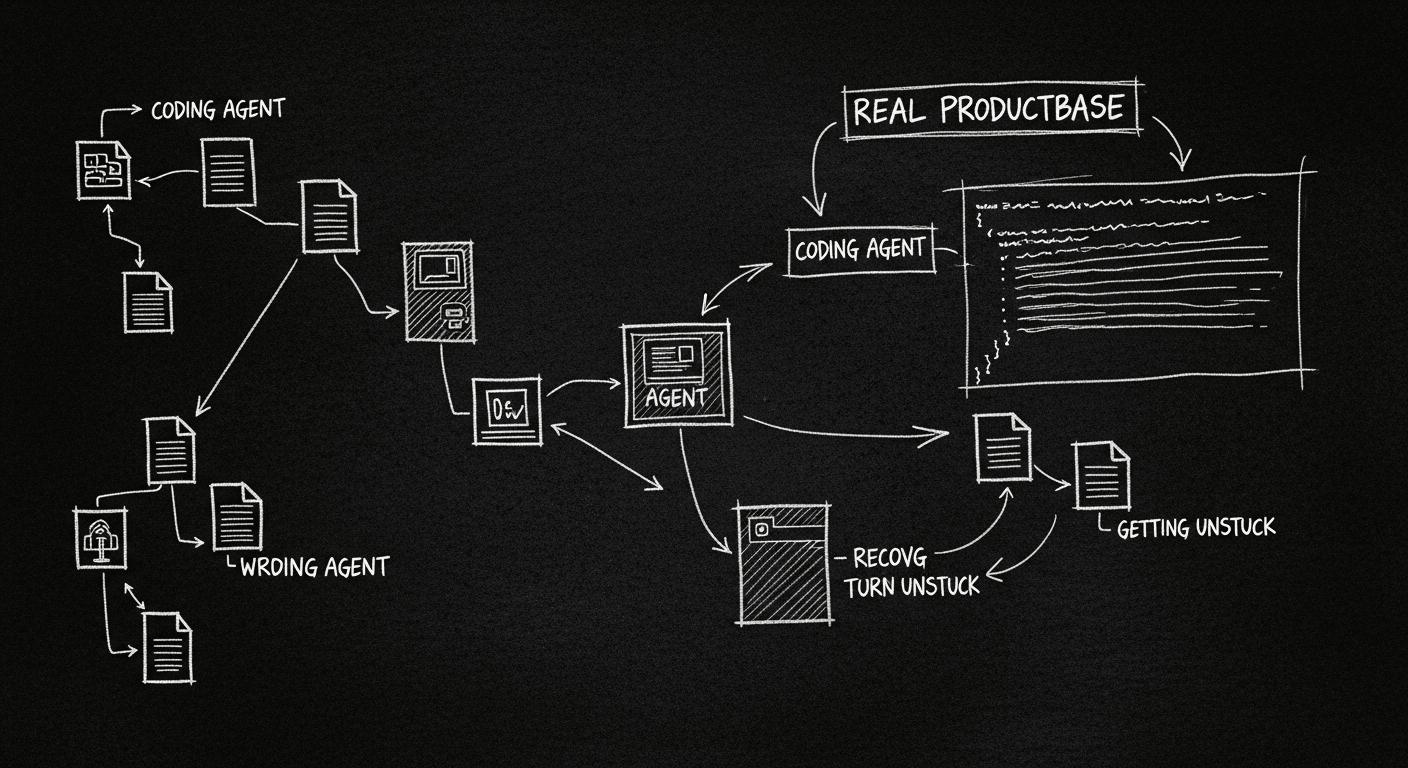
What the Teams Actually Shipping Coding Agents Have Figured Out
Coding agents are the most economically viable AI in production today. Here are the patterns that Devin, Cline, Amp, and others converged on — and what they mean for anyone building or using agents seriously.
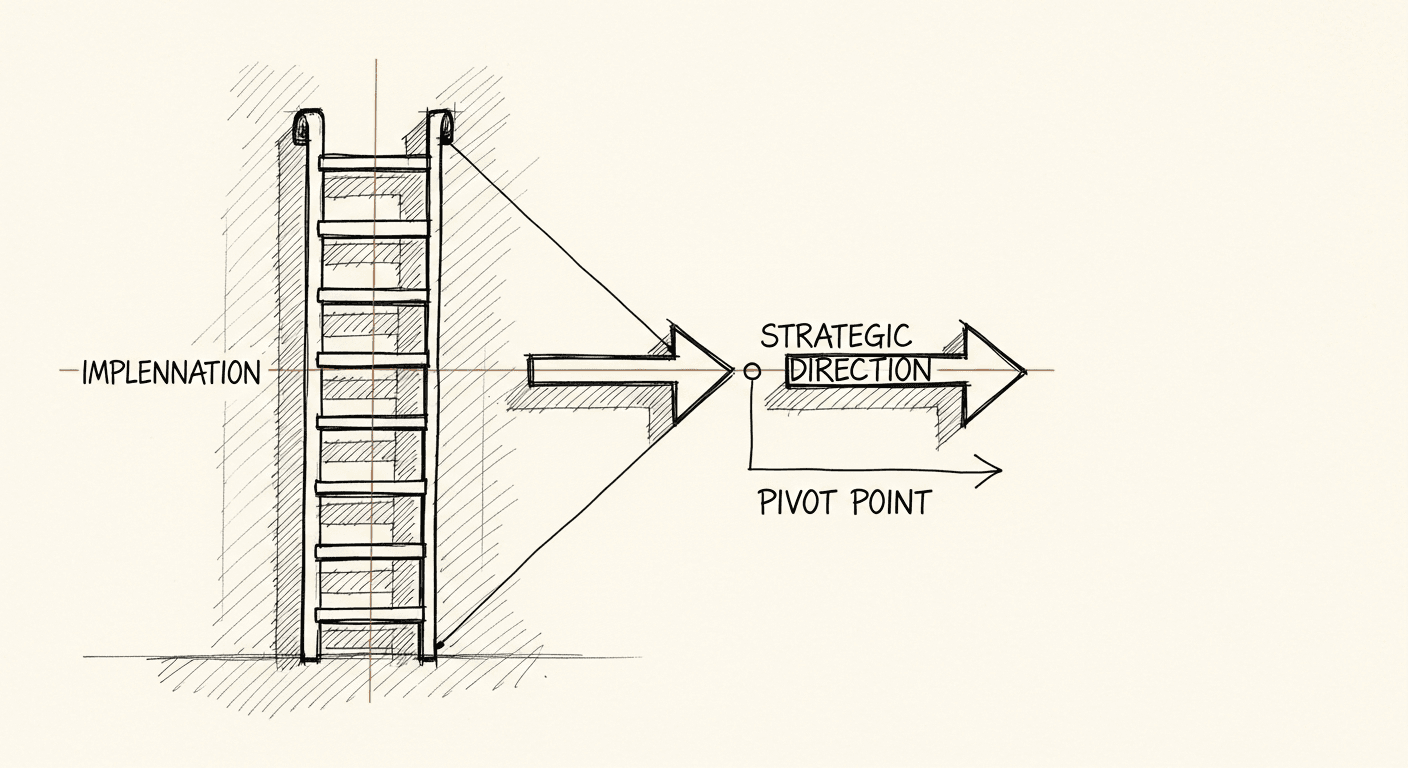
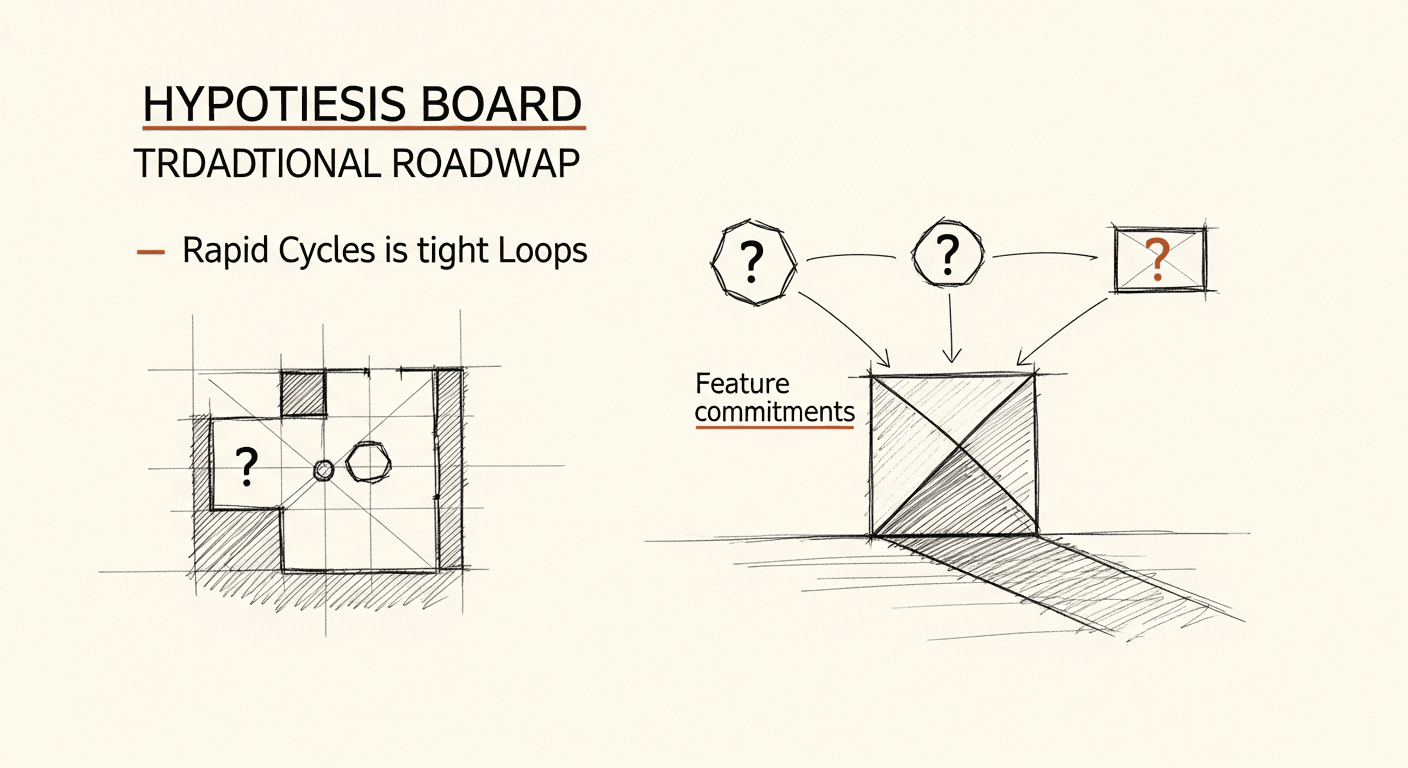
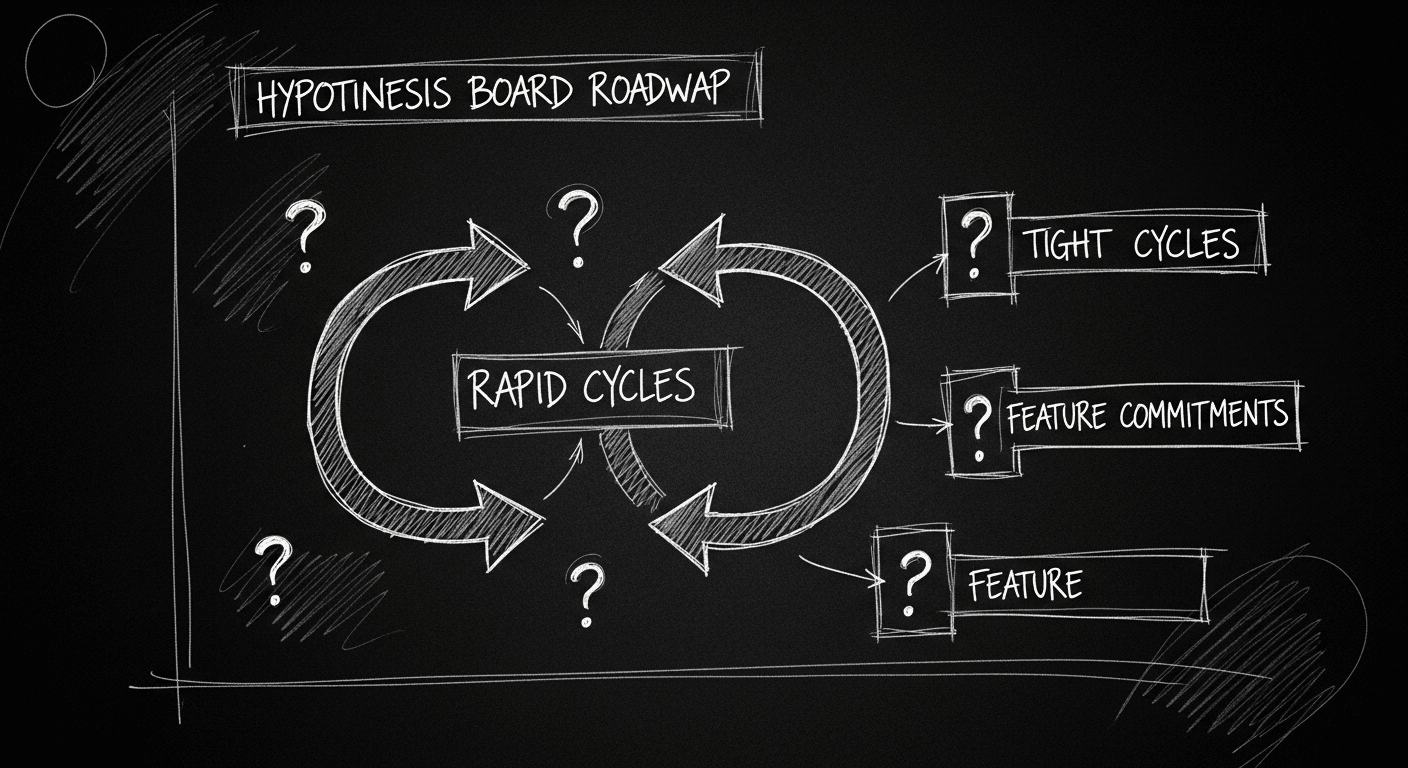
Stop Shipping Features: Why AI Products Need an Experiment Mindset
After shipping 12 features in a quarter and moving zero meaningful metrics, I learned the hard way that AI products are not software projects. The roadmap is a hypothesis board, not a delivery schedule.

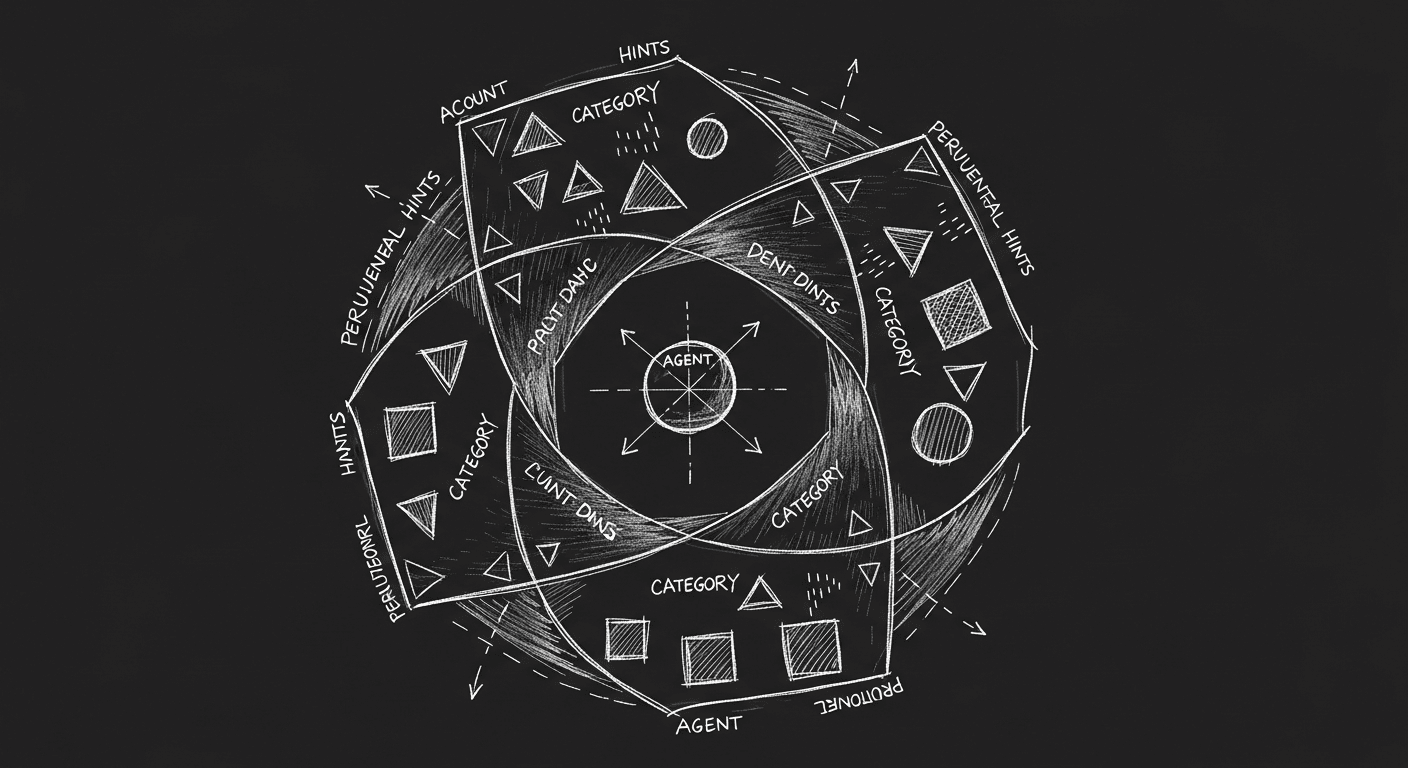
Beyond Chunks: Why Faceted Context Is the Future of RAG
Chunk-based RAG returns results. Faceted context gives agents peripheral vision — an understanding of the information landscape that lets them navigate rather than just consume. Here is what that looks like in a domain where getting it wrong actually matters.

Context Engineering: The Skill That Replaced Prompt Engineering
After 12 years in ML and two years building production AI systems, I stopped obsessing over prompts. The engineers who ship better agents are not writing better instructions — they are designing better information spaces.

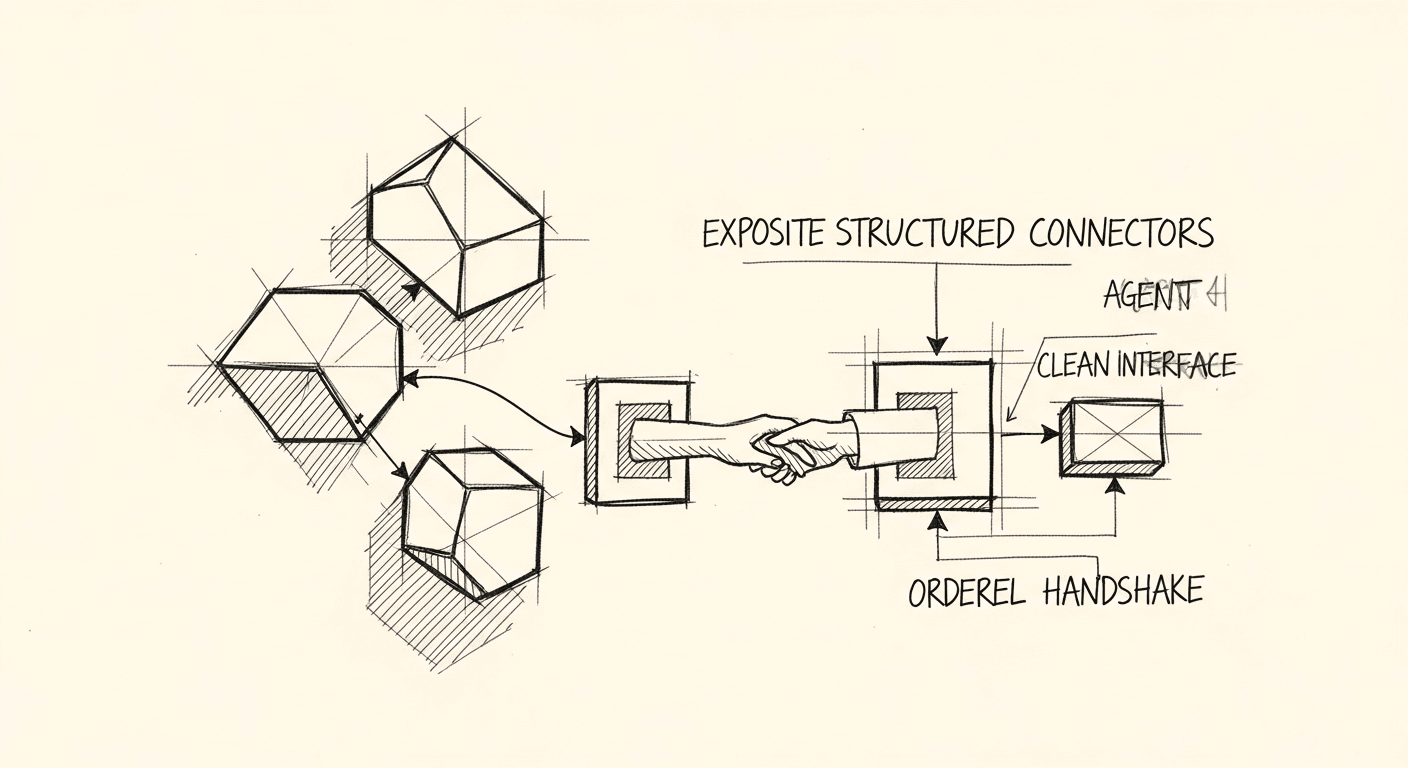
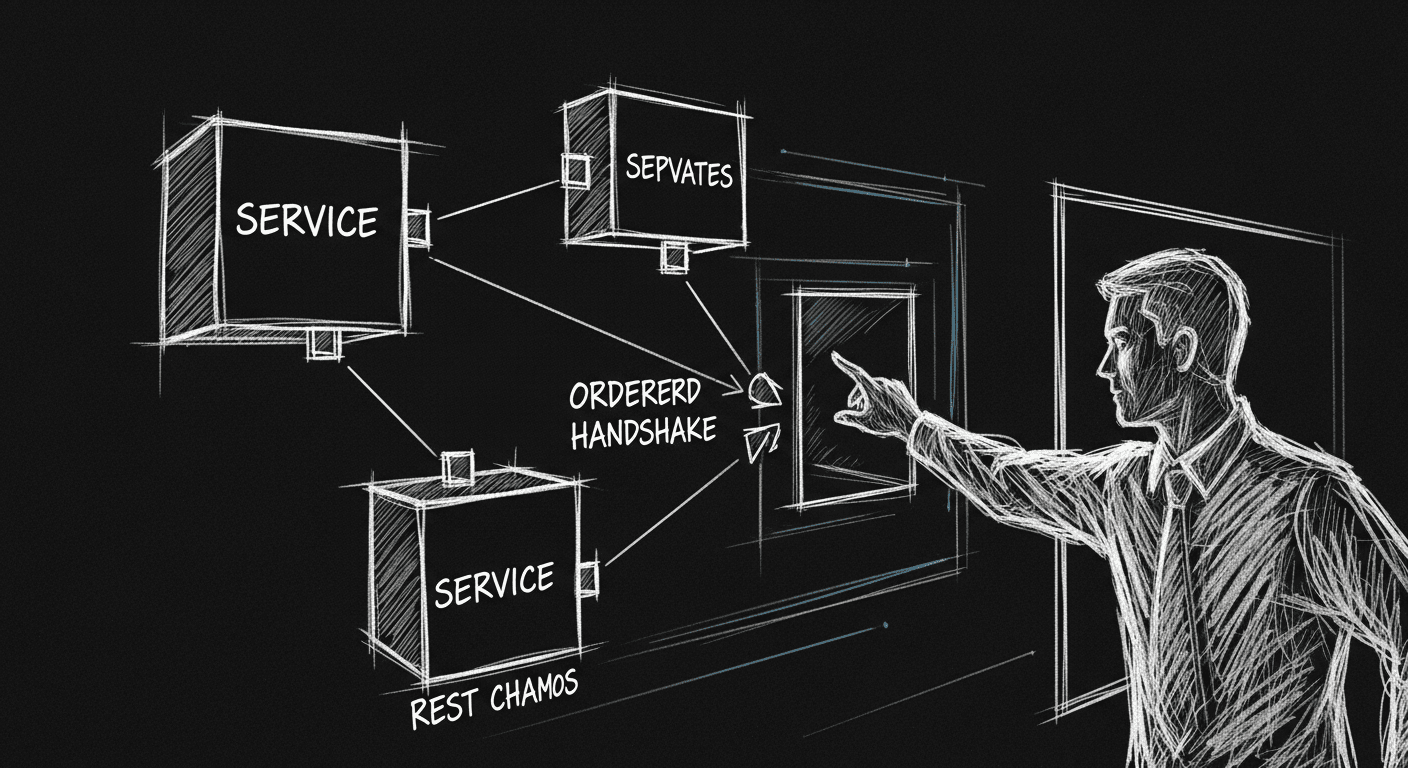
Every Service Is Going to Need an MCP Layer
REST APIs were designed for humans calling services through UIs. AI agents are not humans. Here is what breaks when you expose your existing APIs to agents, and what the right architecture actually looks like.

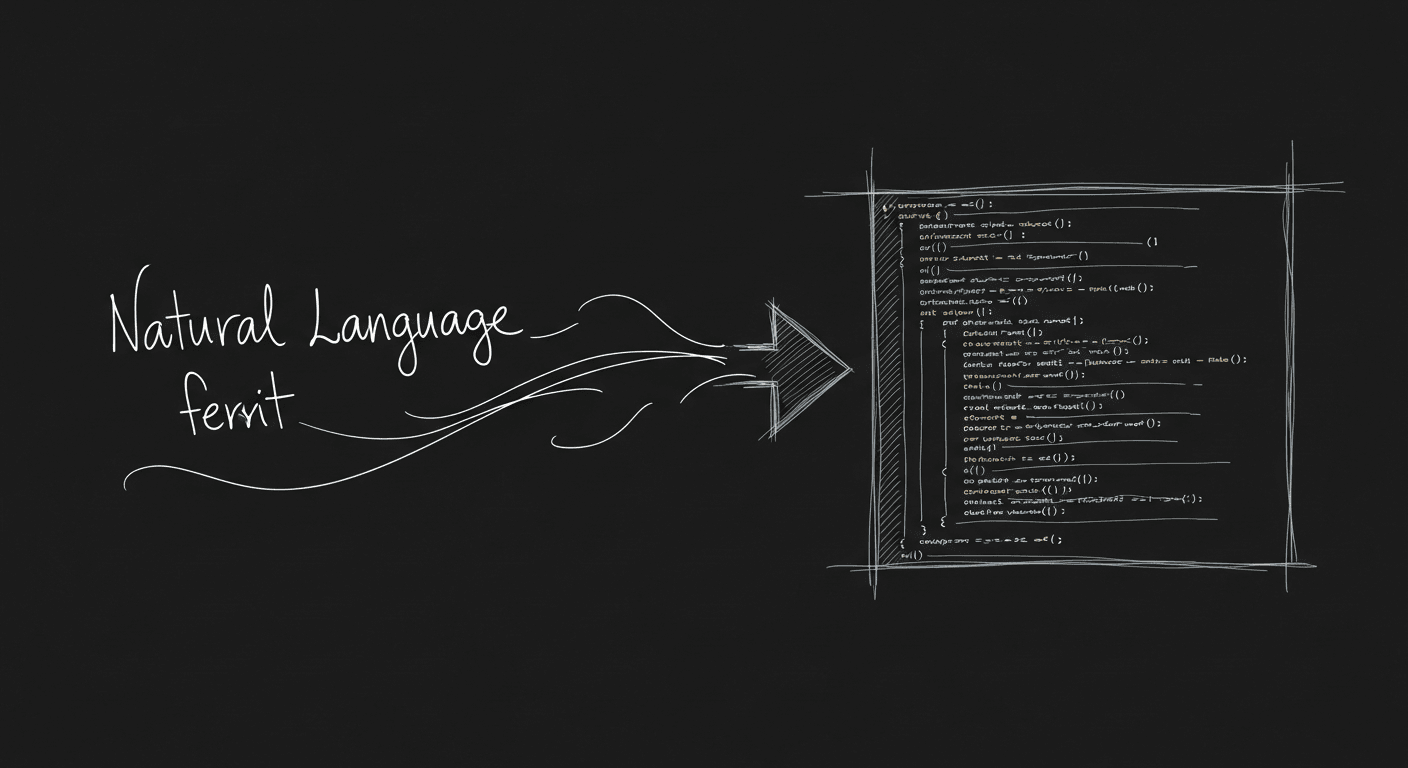
When English Became a Programming Language
v0 just proved that English plus AI can replace traditional web development for most apps. I've spent 12 years mastering this craft. Here's my honest take on what that means.

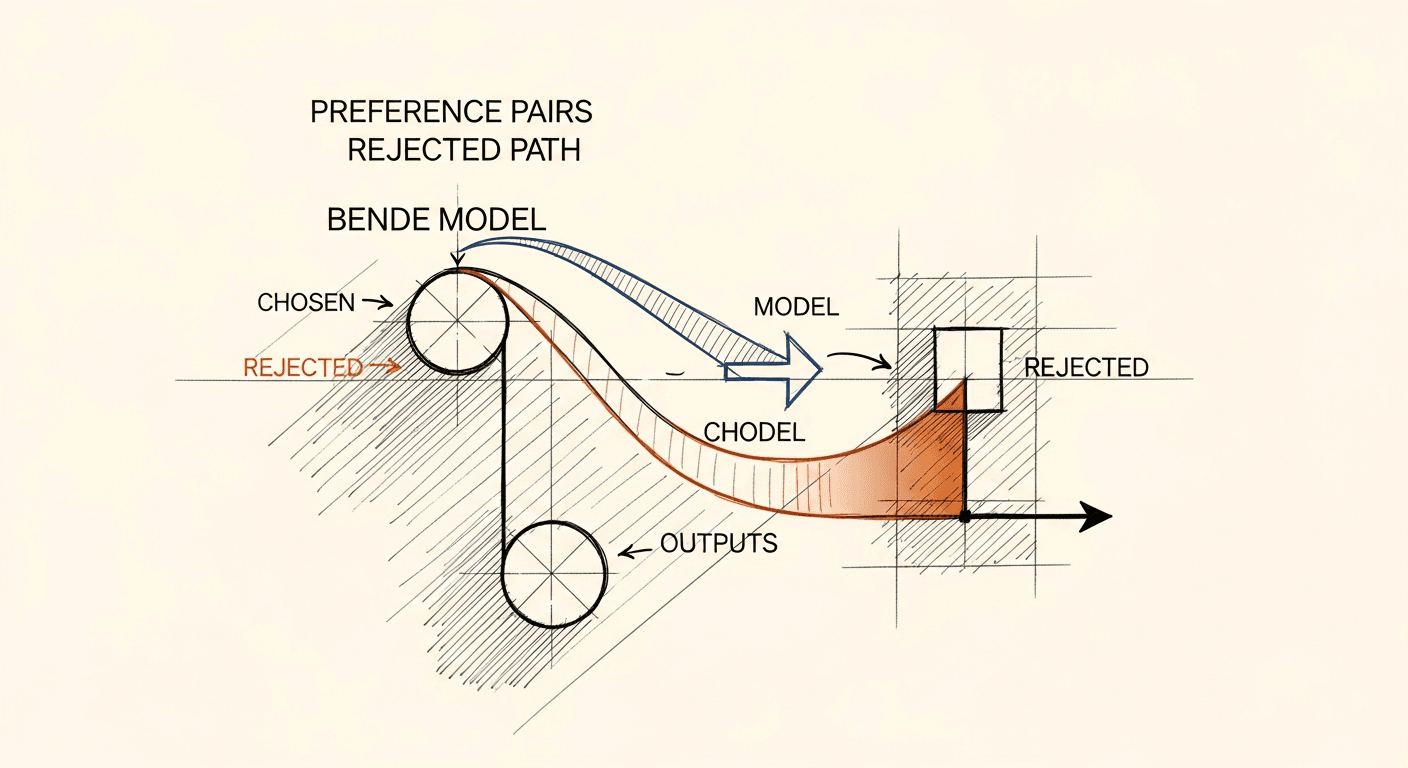
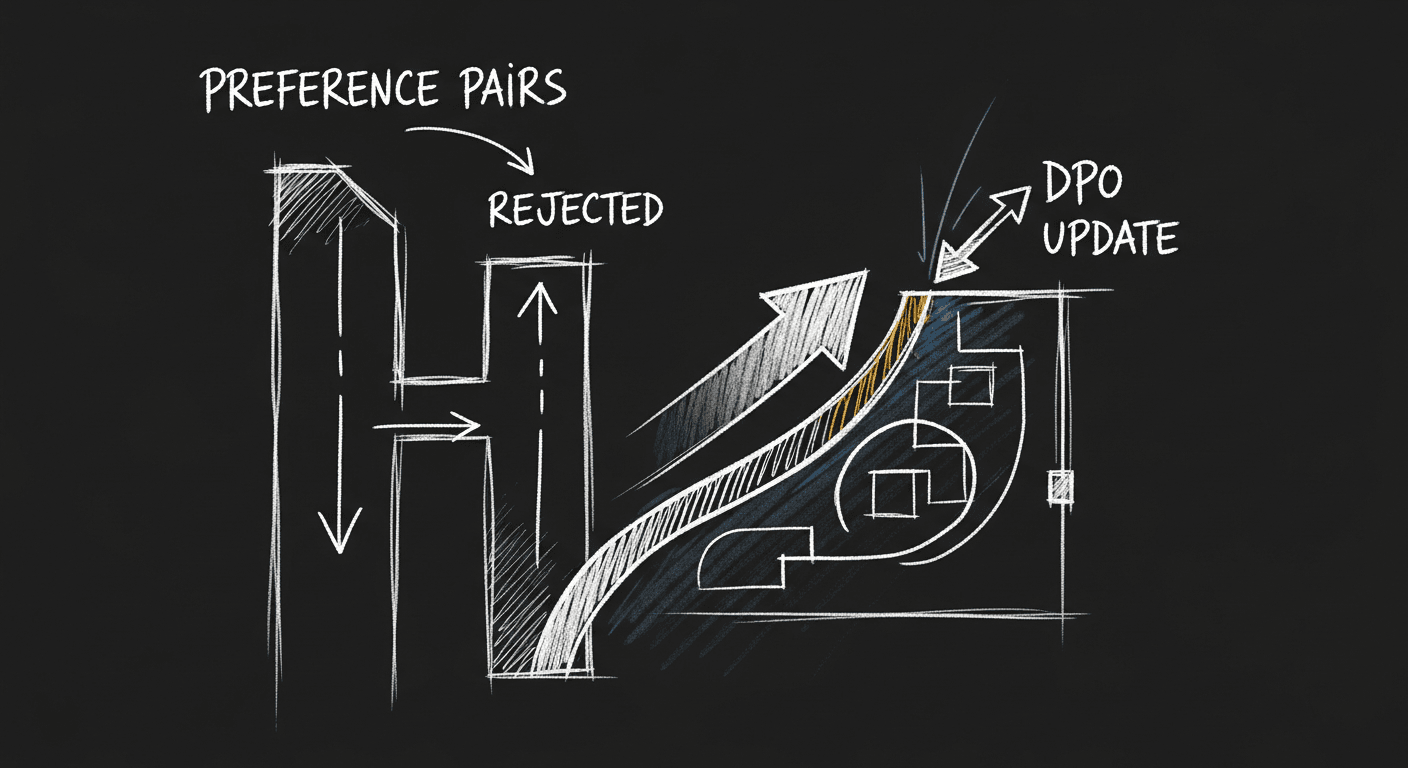
Fine-Tuning LLMs Without the RLHF Headache: The DPO Approach
RLHF is the right idea with the wrong implementation cost for most teams. DPO flips the math — here's how I'd use it to align a healthcare AI model on clinician feedback without burning a month on reward model engineering.

Agency Beats Intelligence: How I Now Hire (And Evaluate Myself)
Raw intelligence is abundant and cheap. The engineers thriving in the AI era are the ones with agency — the ability to set goals, act under uncertainty, and self-correct. Here is how I changed my interview process to find them.

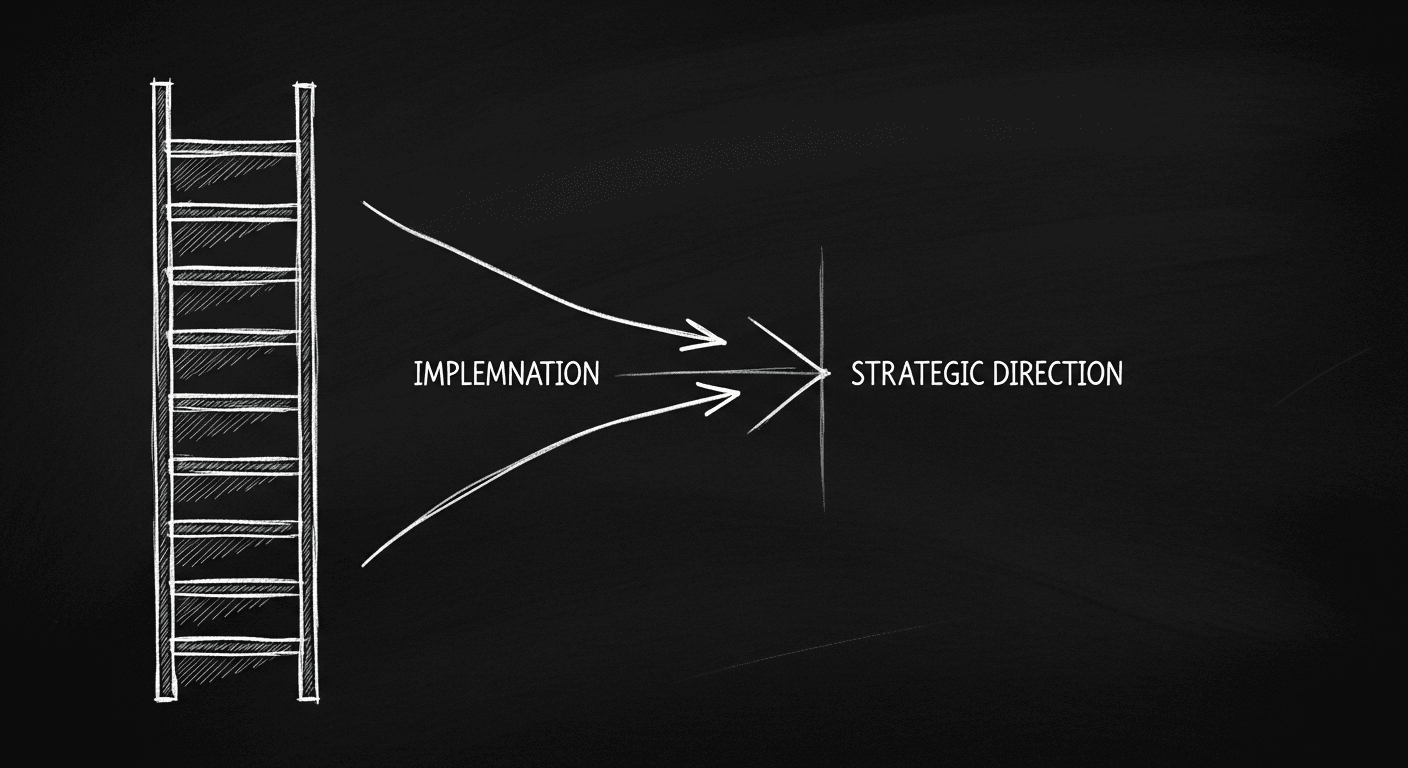
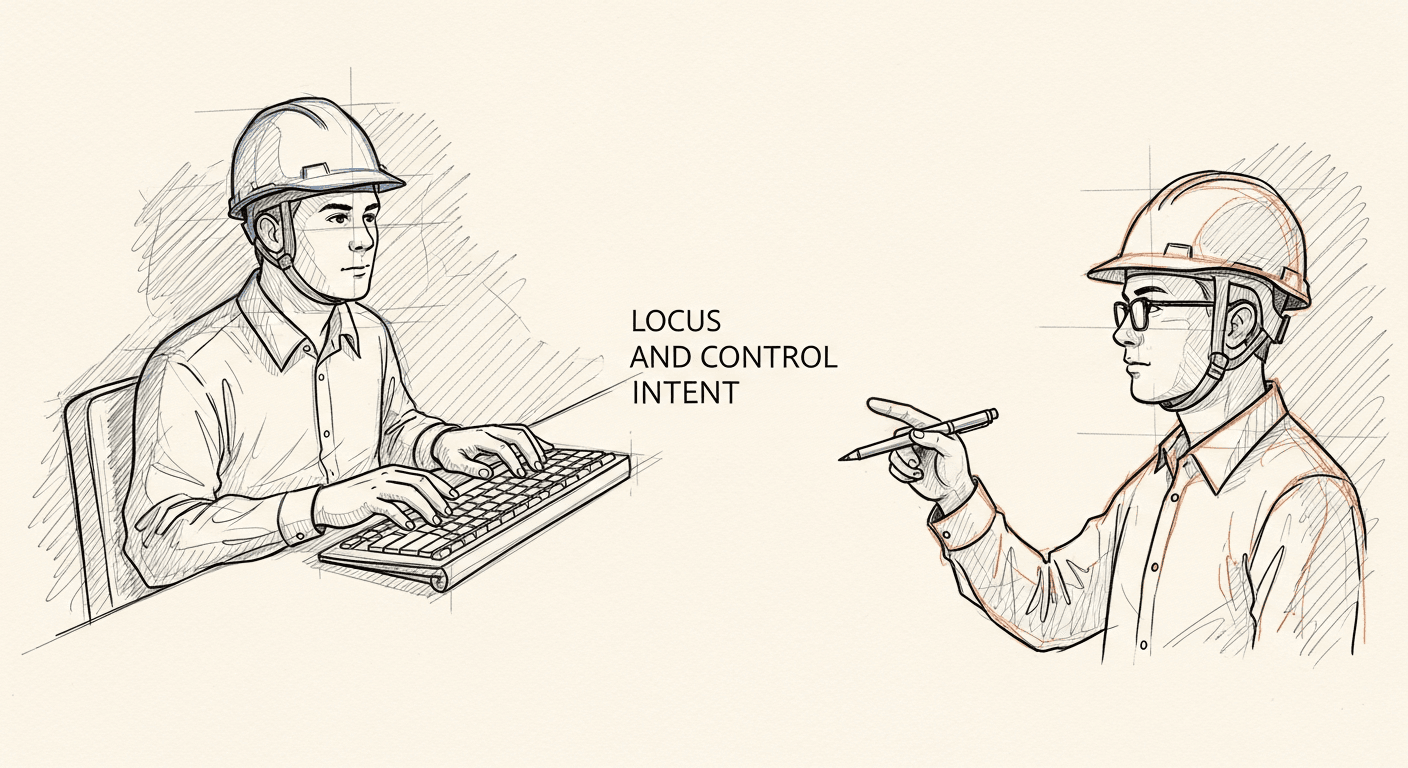
You Are No Longer a Coder: The Shift from Execution to Direction
After 12 years of building systems by hand, I stopped writing most of my own code. Here is what changed, what I delegated to AI, what I found it cannot do, and why the hardest part of the transition had nothing to do with technology.

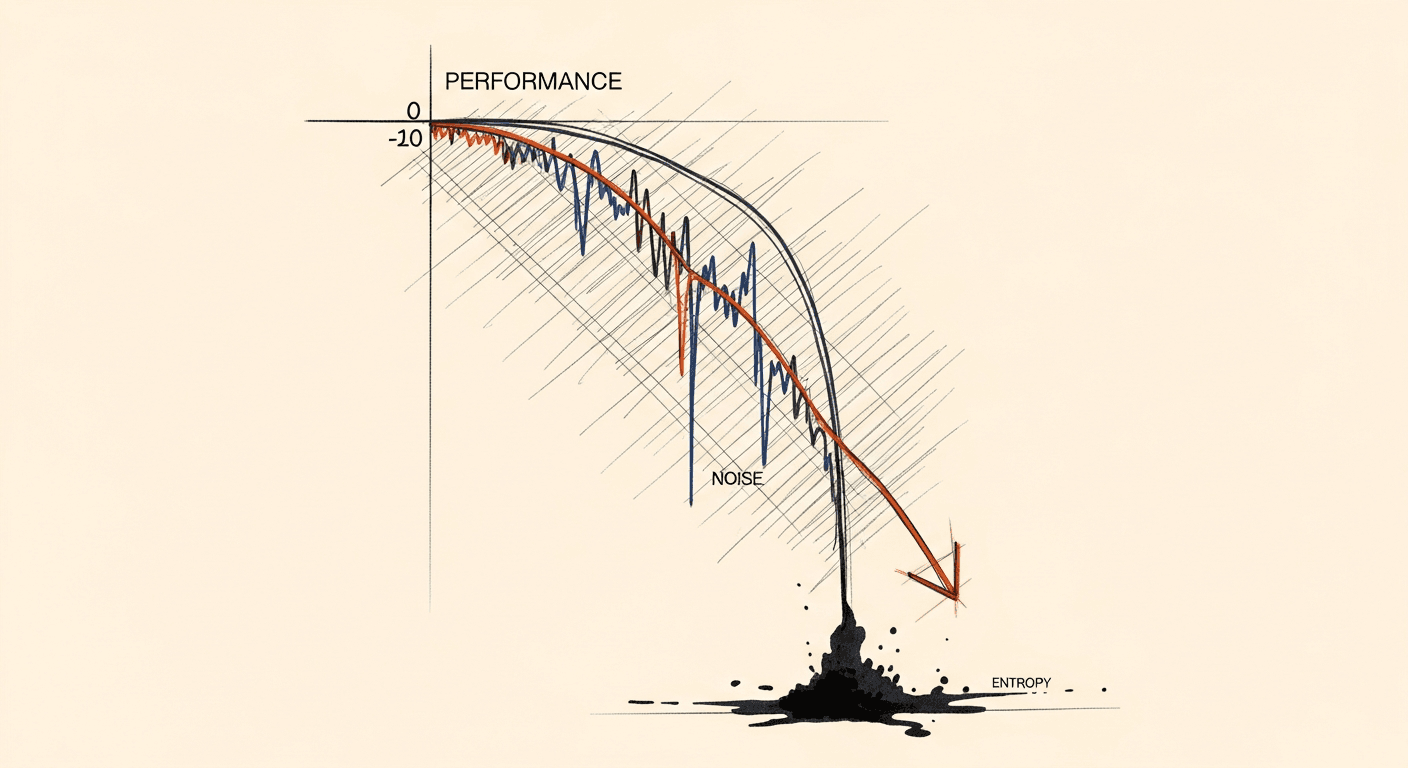
Context Rot: The Silent Performance Killer in Your LLM Application
Your LLM system works great in demos and degrades in production. The culprit is almost never the model. It's what you're feeding it. Here's how to diagnose and fix context rot before it kills your product.

Why Your AI Gets Smarter When You Let It Think Longer
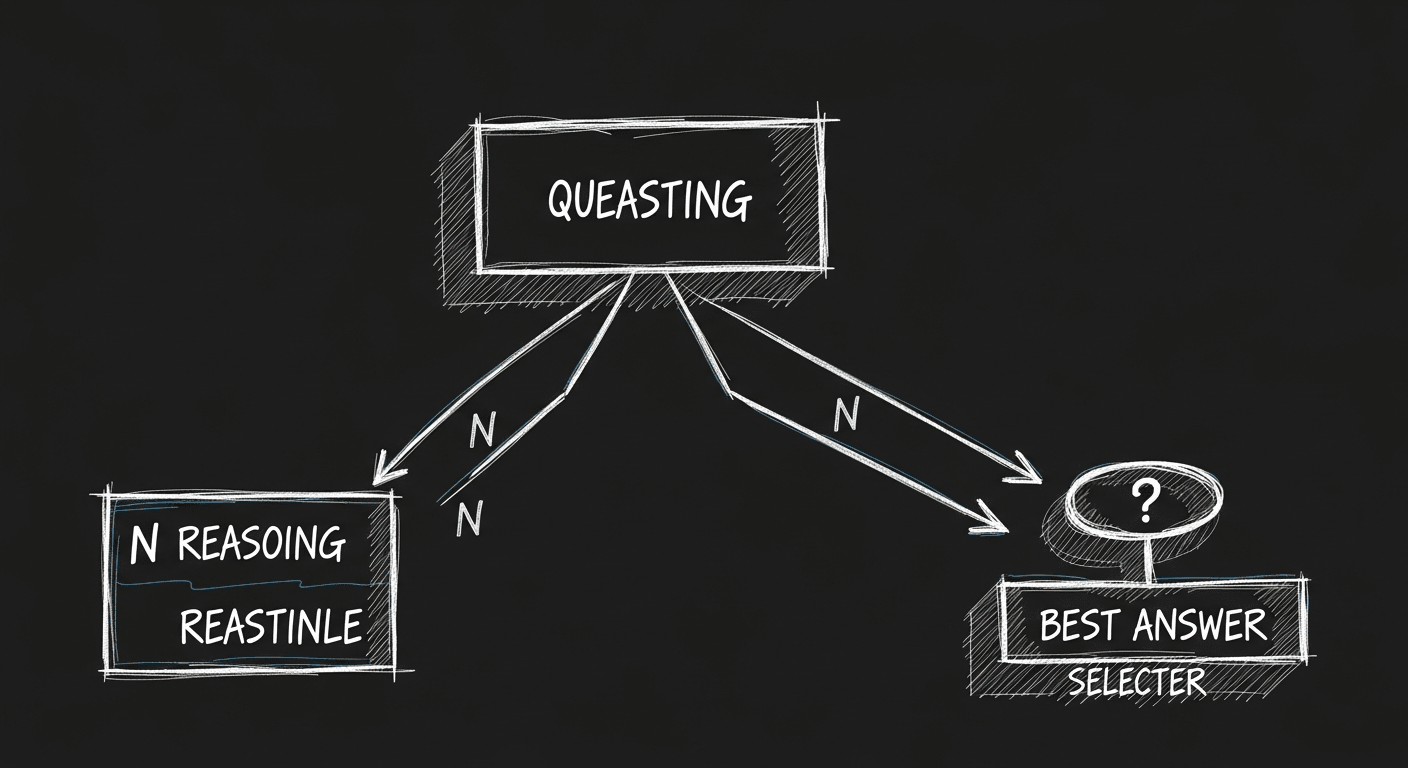
Test-time compute is the most underused lever in production AI right now. Here is what chain-of-thought, best-of-N sampling, and process reward models actually mean for practitioners building real products — and when to use them vs. just grabbing a bigger model.

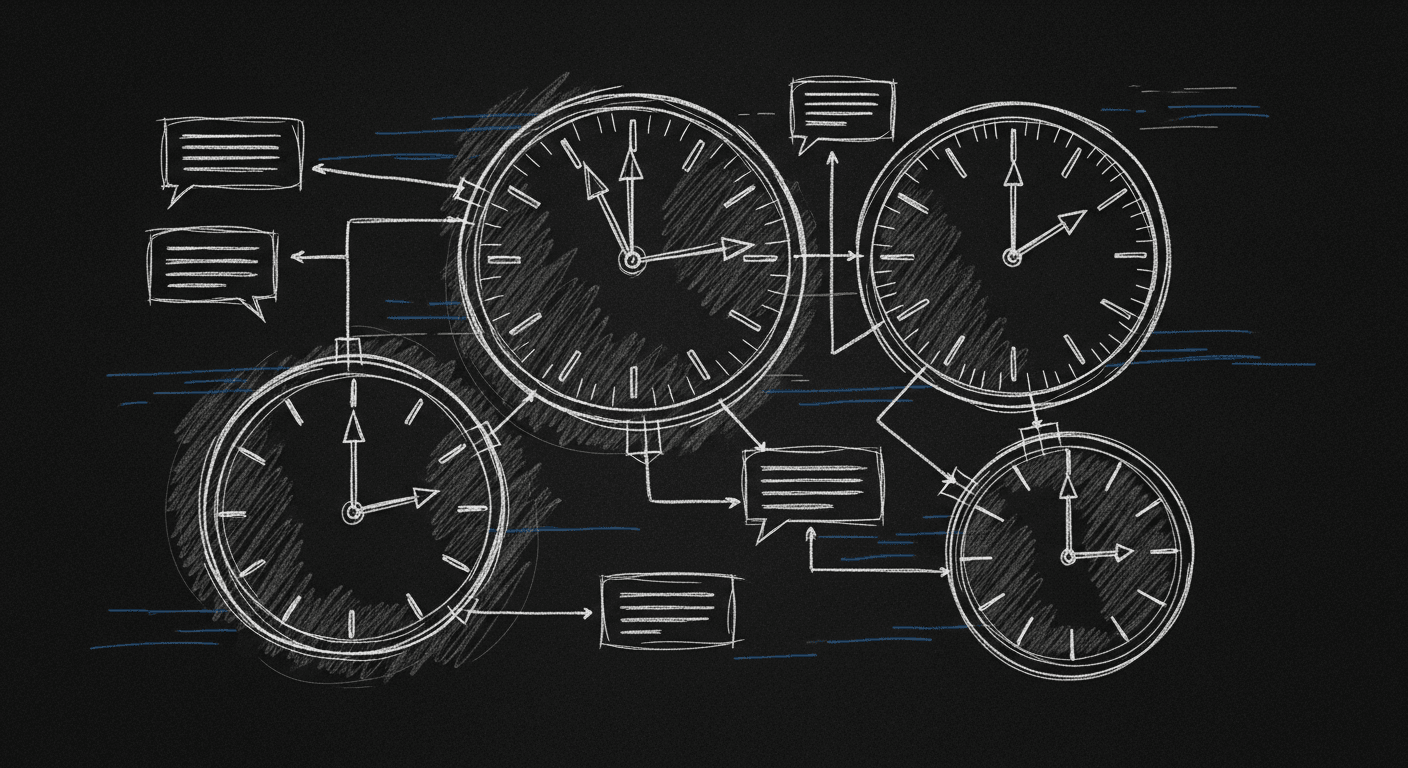
The Async-First Engineering Team: What Actually Works (And What Doesn't)
I went async-first with my remote engineering team. Productivity went up. Culture took a hit. Here's the honest accounting of what changed, what broke, and the specific practices that made it worth it.

What the AI Tool Ecosystem Is Actually Telling You
After wasting months on AI tools that sounded great and died within a year, I started reading the ecosystem differently. Here is the framework I use now — and why tool selection in healthcare AI is a compliance problem, not just a productivity one.
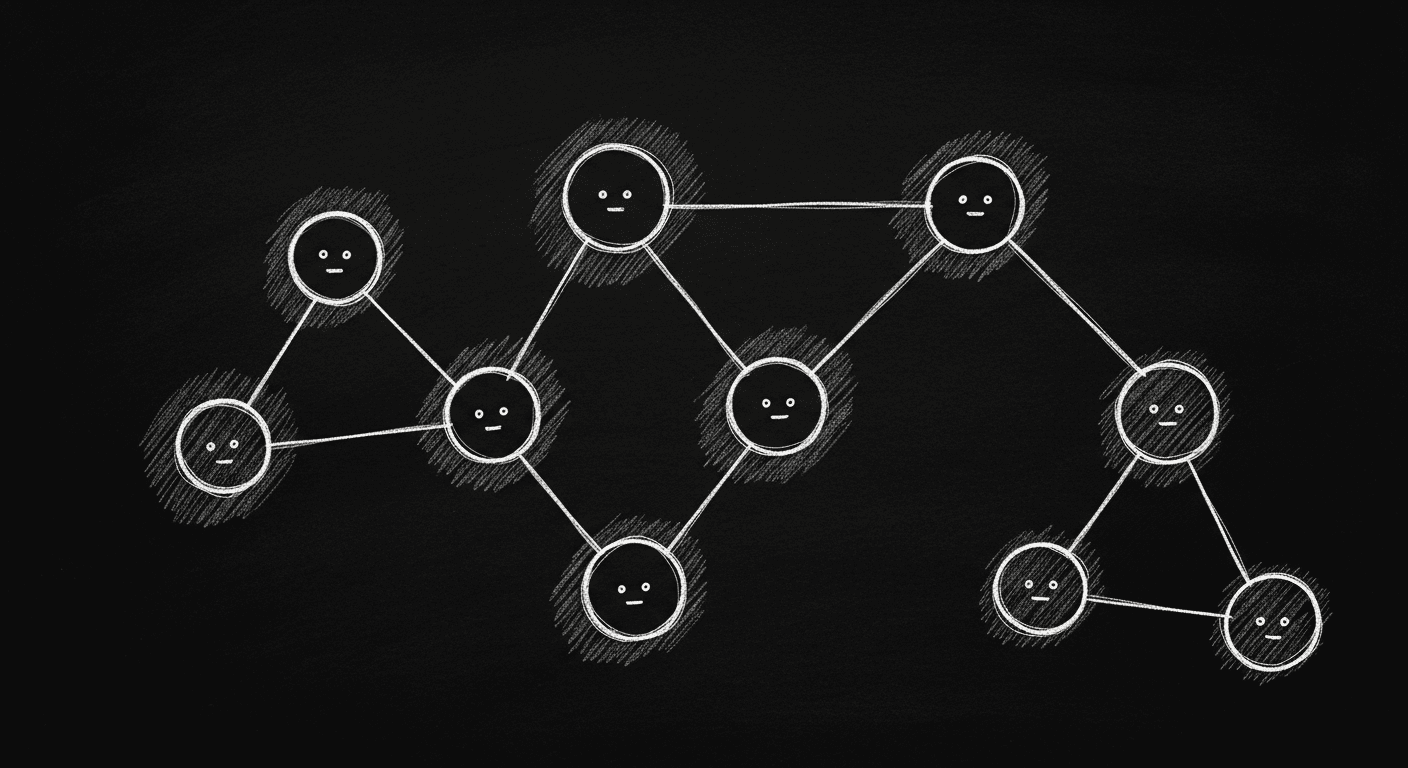
What Autonomous Vehicles Taught Me About Multi-Agent AI Design
BAIR researchers discovered that just 5% autonomous vehicle penetration can smooth all highway traffic — with no central coordination. That finding quietly reshapes how I think about building multi-agent AI systems.
The Death of Institutional Memory: Why I'm Building Atlas (And Why It Matters)
After watching countless organizations hemorrhage critical knowledge with every resignation, I realized we need a fundamentally different approach to capturing and preserving the networks of relationships that actually run businesses.

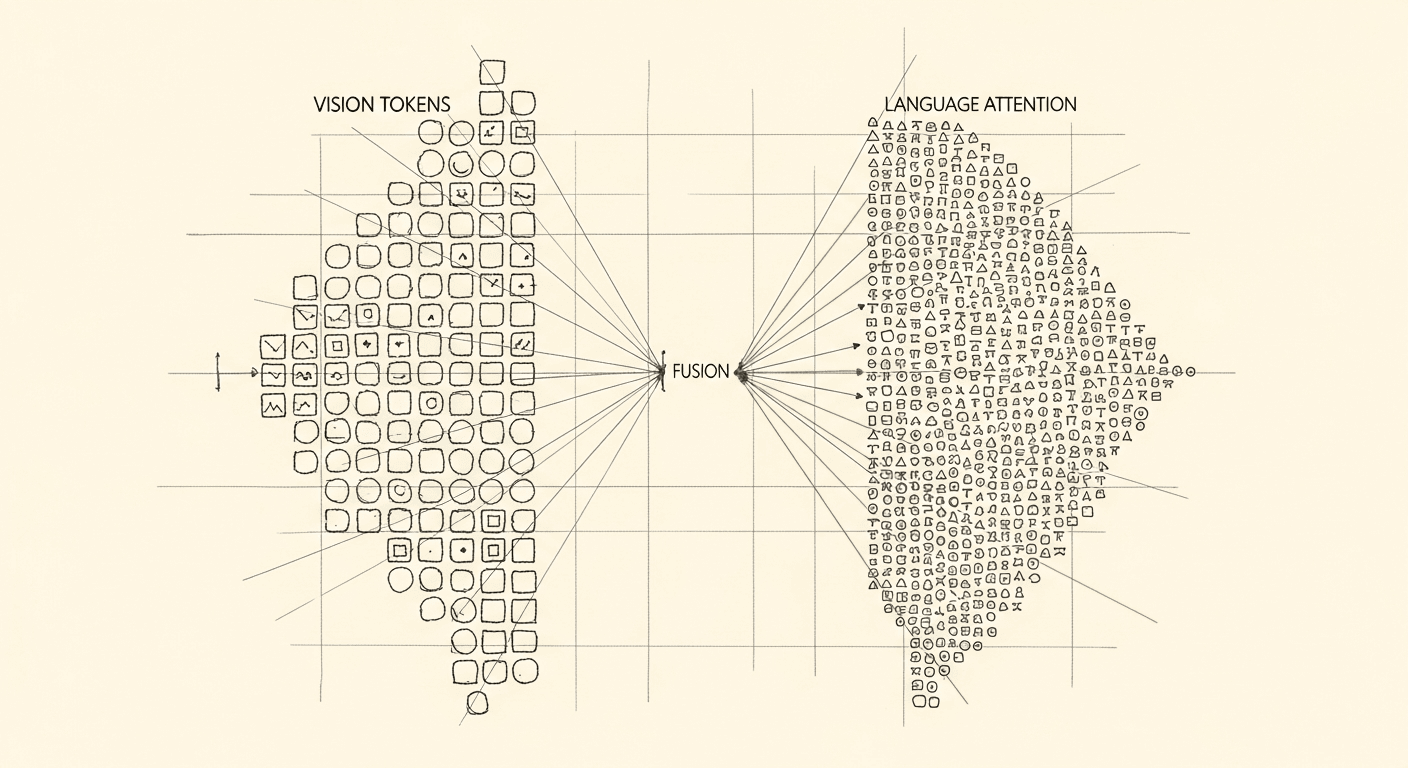
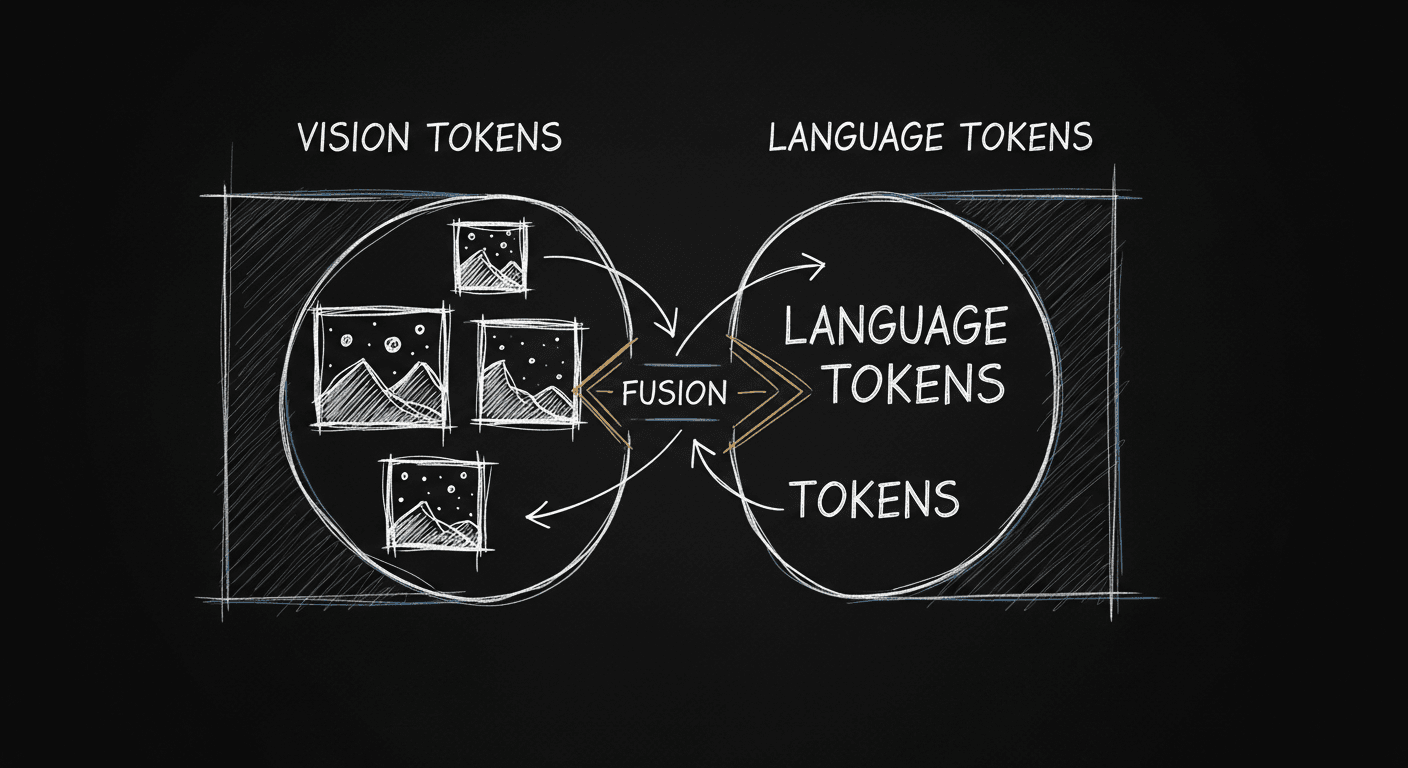
Vision + Language: How Multimodal LLMs Actually Work (And When to Use Them)
Multimodal LLMs integrate vision through two fundamentally different architectures. Knowing which one you need — and why — is the decision that shapes every other technical choice in your build.

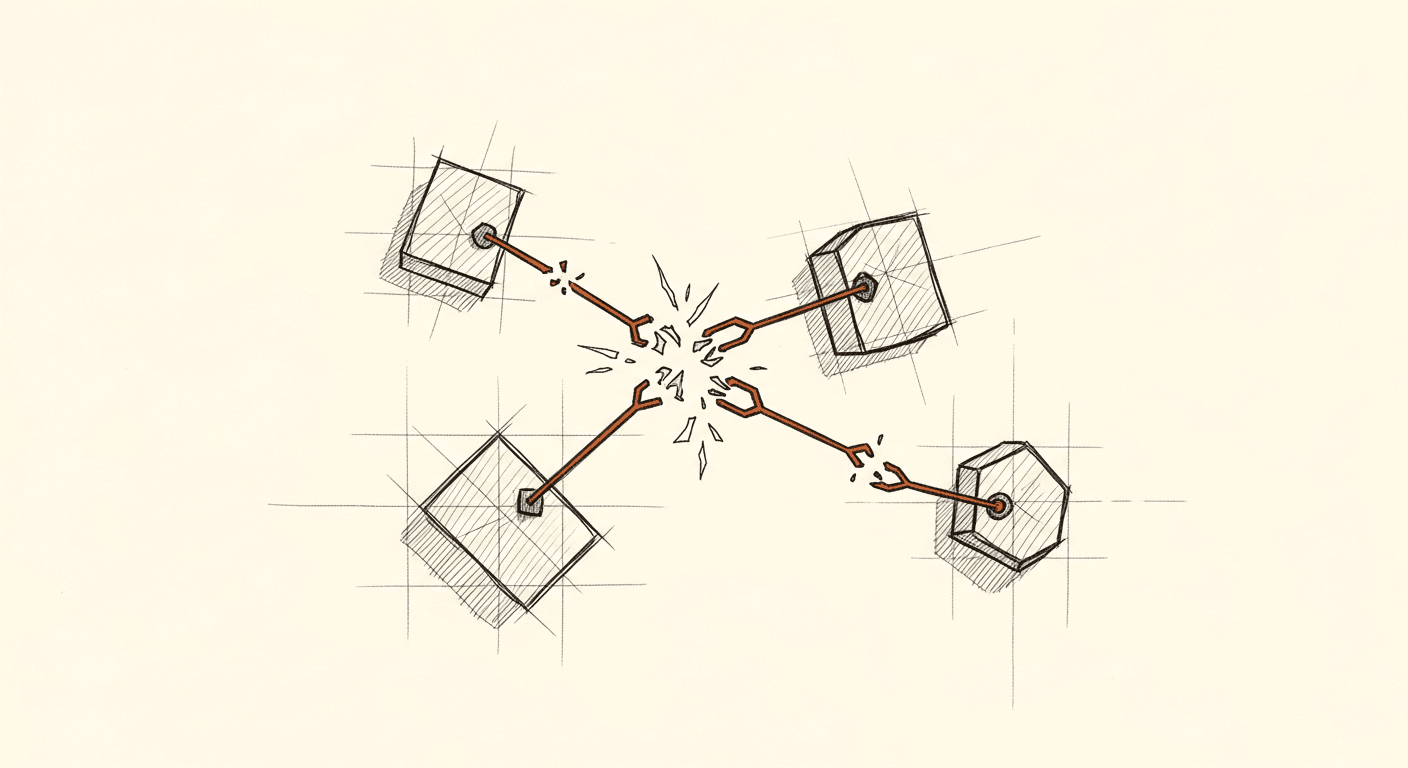
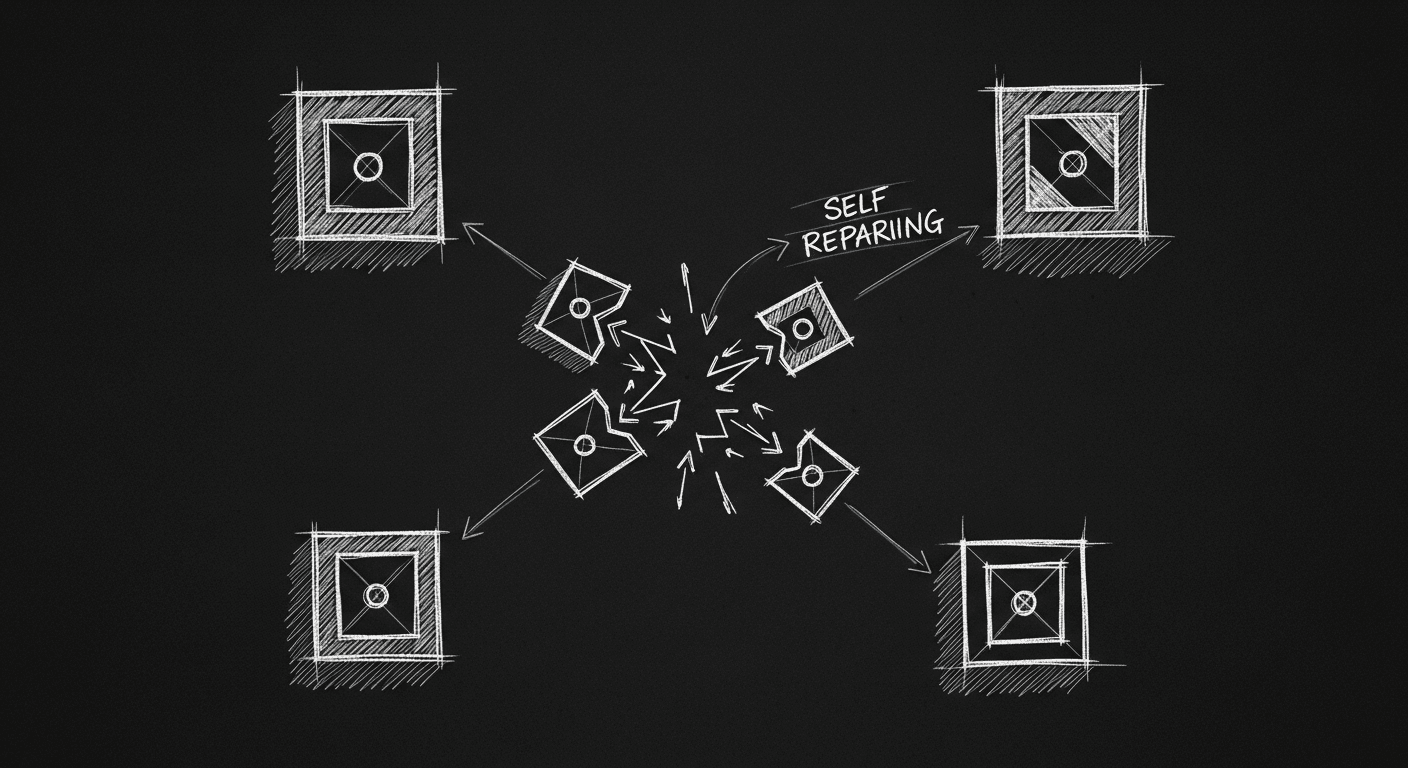
The Self-Healing Stack: What AI-Native Infrastructure Actually Means
The AI Cloud vision — where infrastructure monitors, optimizes, and repairs itself — is compelling. Some of it exists today. Most of it doesn't yet. Here's an honest breakdown of what self-healing infrastructure looks like in practice — and what engineers should actually be doing to prepare.

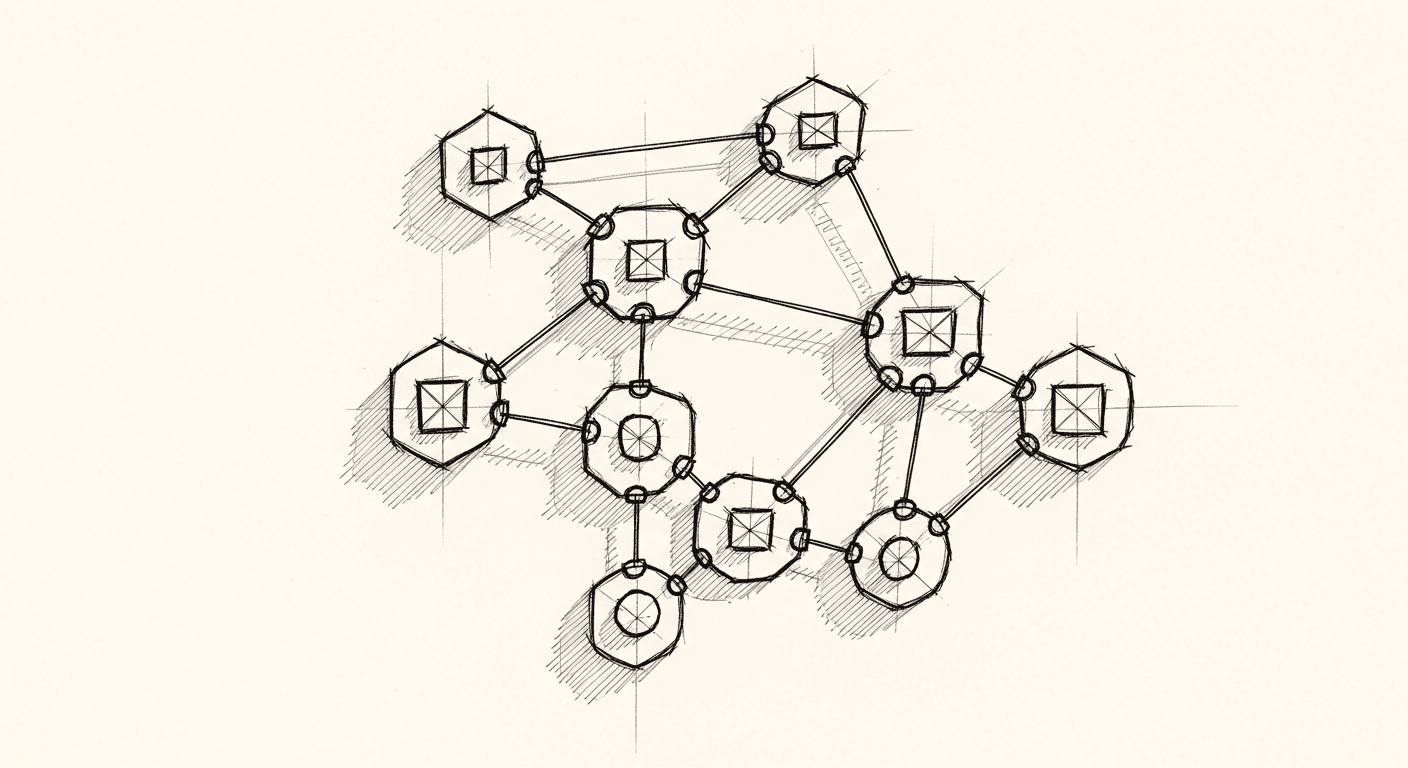
FHIR Meets Graph Databases: Exploring Healthcare's Natural Network Structure
How FHIR's interconnected resources transform into powerful graph relationships. Exploring the potential of graph technologies in healthcare AI at Clarity Health Project.

The Tools I Dropped When AI Changed My Development Workflow
After 12 years of accumulating dev tools, AI coding assistants forced me to rethink every layer of my stack. Here's what I dropped, what I added, and the principle behind the whole thing.

From GPT-2 to DeepSeek: The Architectural Changes That Actually Mattered
I've been reading ML papers for 10 years. Most don't matter. These architectural choices did. RoPE, GQA, SwiGLU — each one solved a real scaling problem. Here's what practitioners need to know when a new model claims 'better architecture.'

Building a GenAI Platform That Doesn't Collapse Under Its Own Weight
Most GenAI platforms fail not because the models are bad, but because teams build everything at once. A practitioner's guide to layered GenAI architecture — from the minimal production-ready core to healthcare-grade guardrails and beyond.

The GenAI Strategy Question You're Not Asking (But Should Be)
Everyone asks 'how should we use GenAI?' The honest answer requires a harder question first: does AI's unique capability actually create new value here, or is it just a more expensive way to do something that already worked? A practitioner's framework for getting this right — especially in healthcare.