Engineering

58 articles in Engineering.

Prompt Engineering Didn't Die. It Got Unrolled.
NEW!

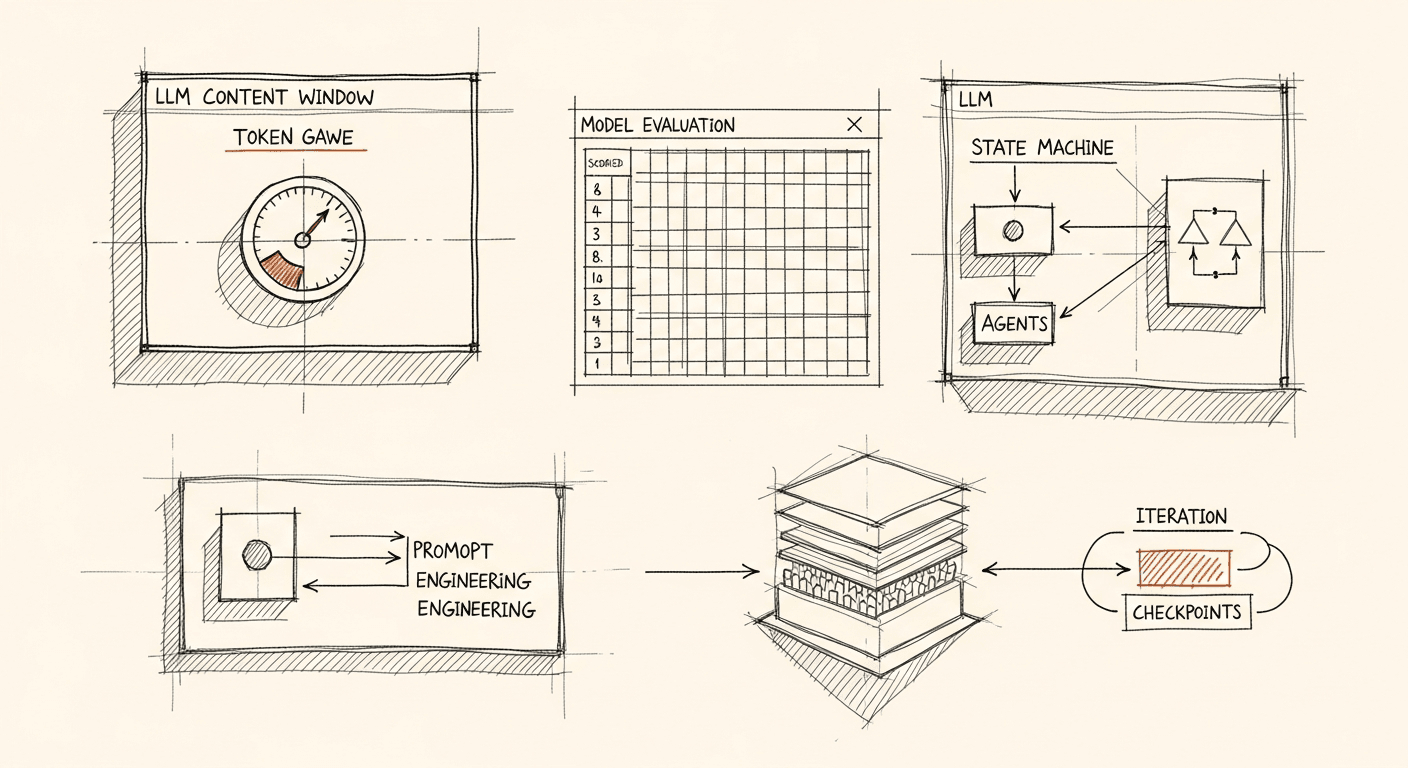
Prompt Engineering Didn't Die. It Got Unrolled.

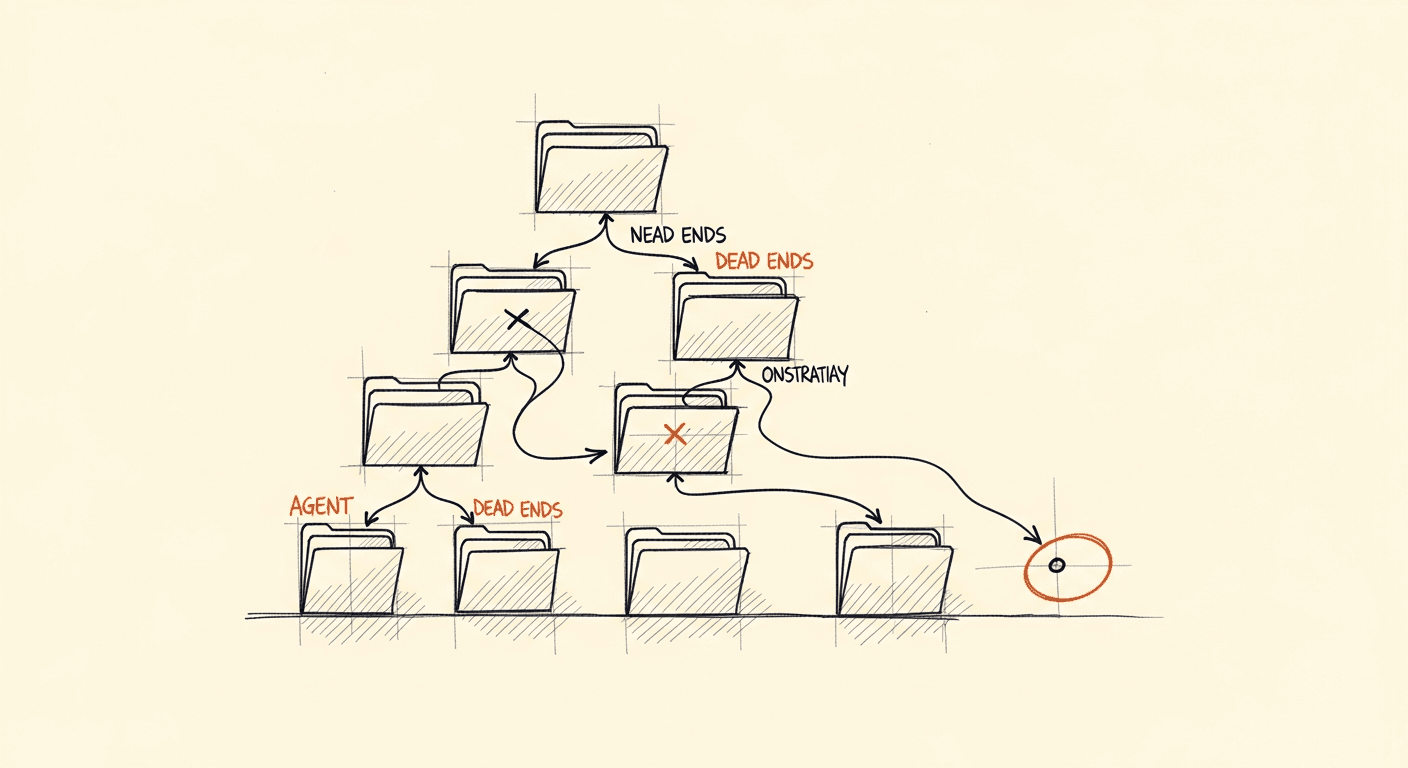
Everyone keeps announcing the death of prompt engineering. They are describing the symptom, not the shift. The loops you used to run by hand — refine, retry, verify, learn — moved out of your head and into infrastructure. Four of them, simultaneously.

EngineeringRead more →
The Two Rhythms of B2B Tech: What Palantir Gets Right That Most Companies Get Wrong

The Two Rhythms of B2B Tech: What Palantir Gets Right That Most Companies Get Wrong

Palantir built a company on the idea that software alone is not enough — you need engineers embedded with customers. That model has a name, a cost, and a hidden technical debt time bomb that most B2B companies are quietly sitting on.

EngineeringRead more →
Penpal: Dispatch Tool Today, RPG Interface Tomorrow

Penpal: Dispatch Tool Today, RPG Interface Tomorrow

I built a tool that turns GitHub issues into pull requests using a three-agent pipeline. That's the boring part. The interesting part is what happens when you stop thinking about AI agents as productivity tools and start thinking about them as a workforce — and you build a world for them to live in.

ProductRead more →
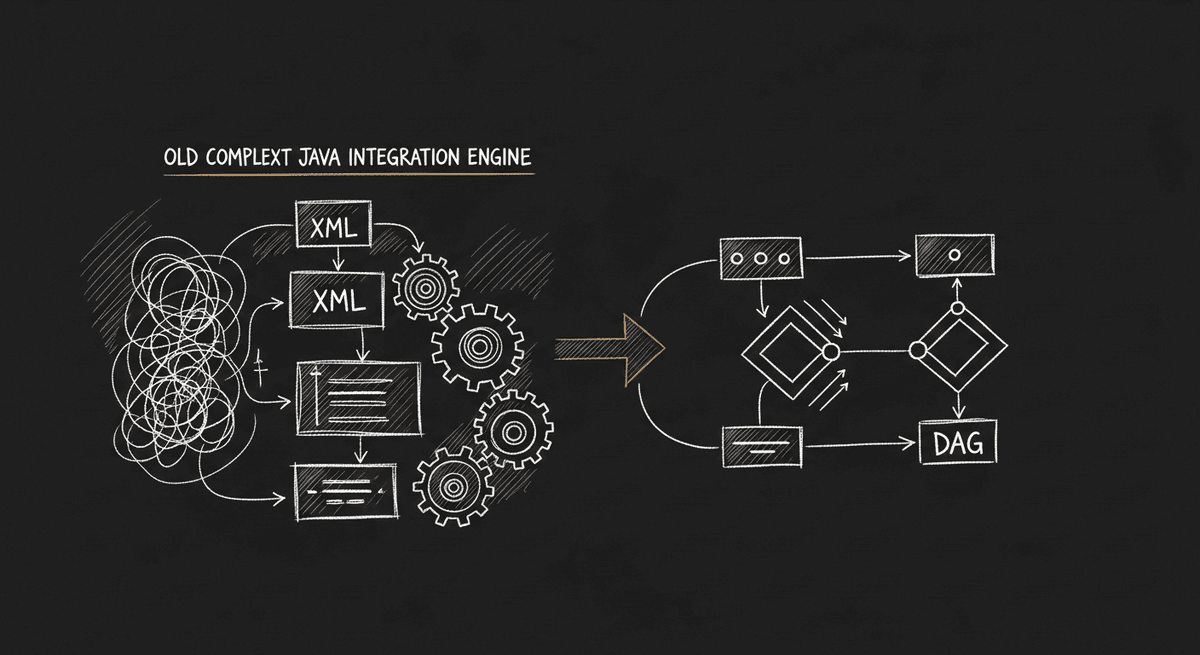
Mirth Connect, what happened? Here's What Comes Next.
Mirth Connect, what happened? Here's What Comes Next.

Mirth democratized healthcare integration. Then NextGen acquired it, and the world moved on. After 12 years of building on top of it, here's what the next generation of integration tooling looks like — and why it was inevitable.

HealthcareRead more →
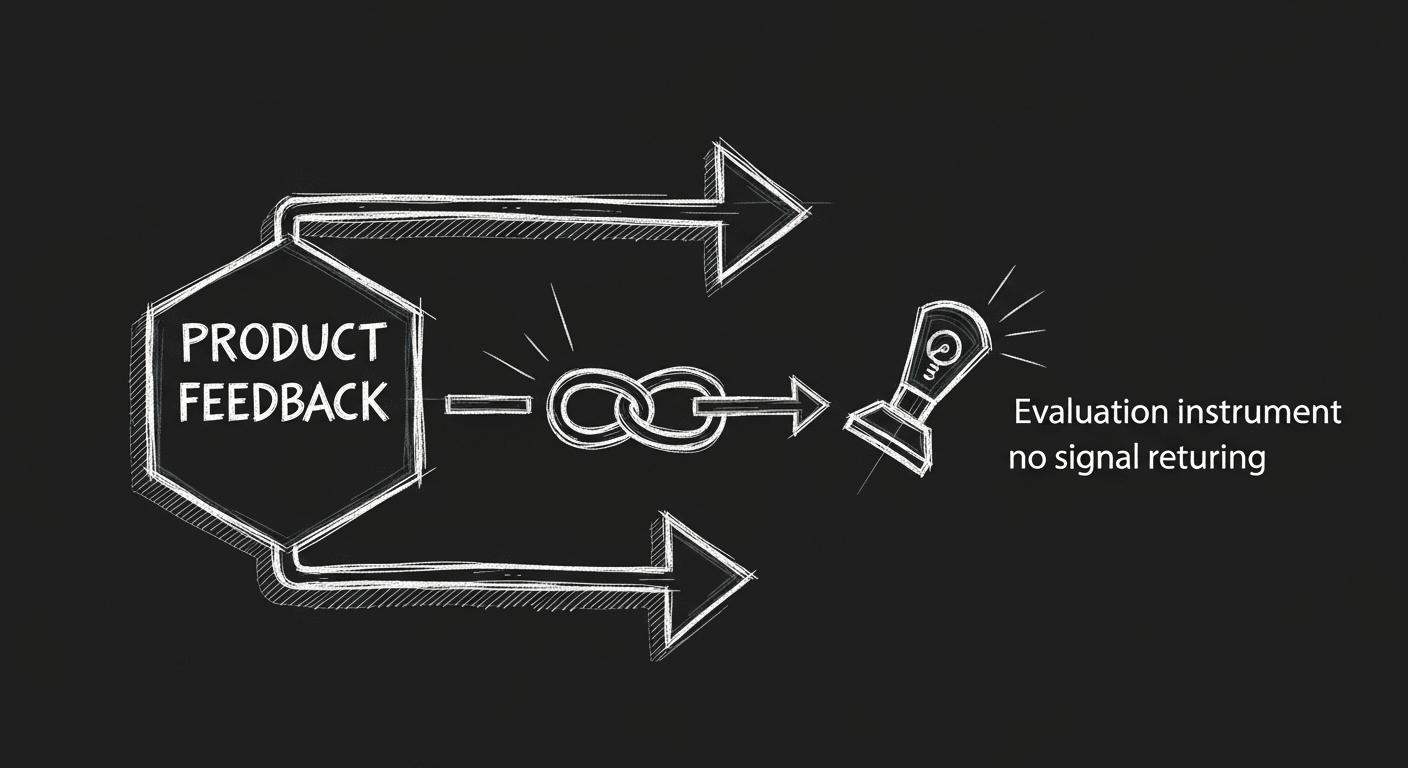
Product Evals in Three Steps (That You'll Actually Do)

Product Evals in Three Steps (That You'll Actually Do)

Most teams skip evals because the process feels overwhelming. Here is the three-step framework that makes eval-driven development achievable: label a small dataset, calibrate an LLM evaluator to human judgment, then iterate configs against the harness. No excuses left.

ProductRead more →
Table Stakes for Pragmatic Development Using LLMs
6 min read

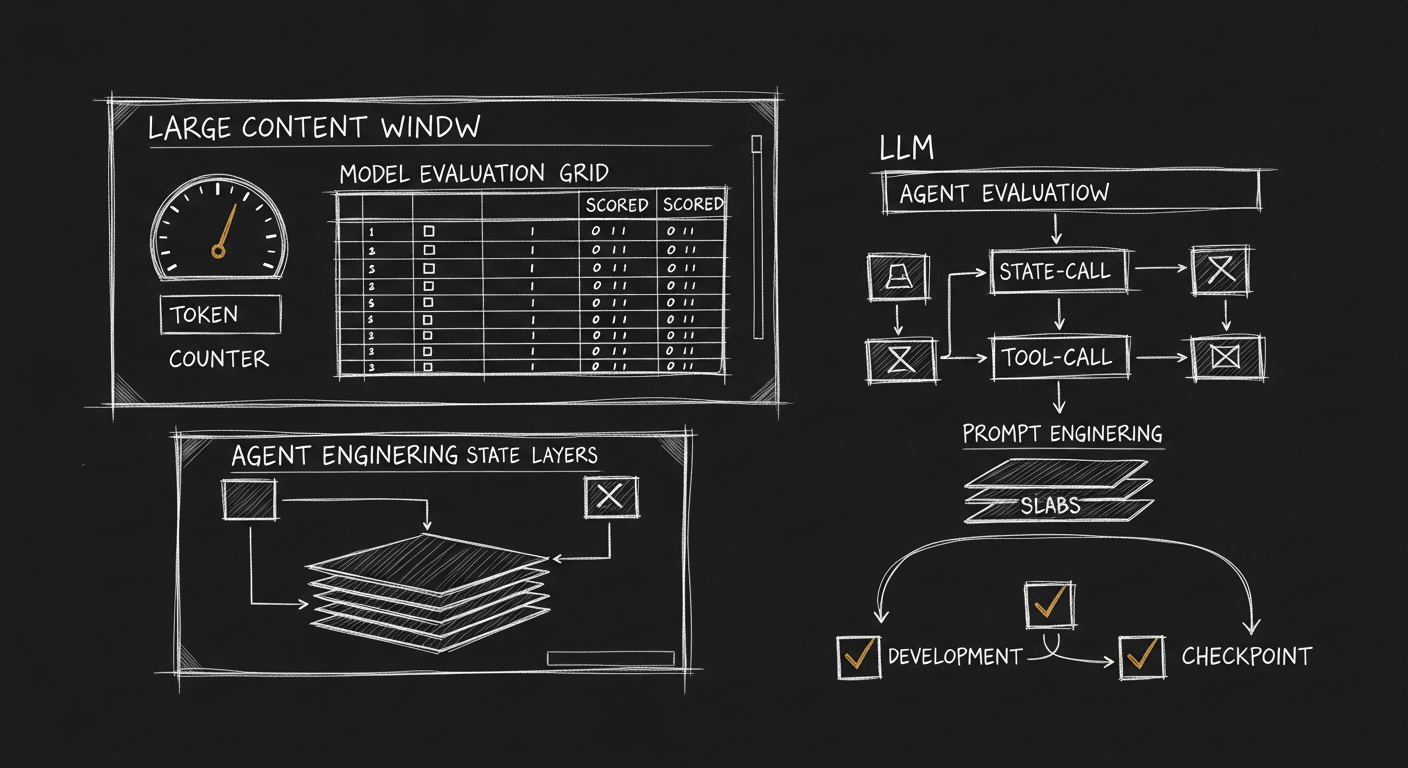
Table Stakes for Pragmatic Development Using LLMs

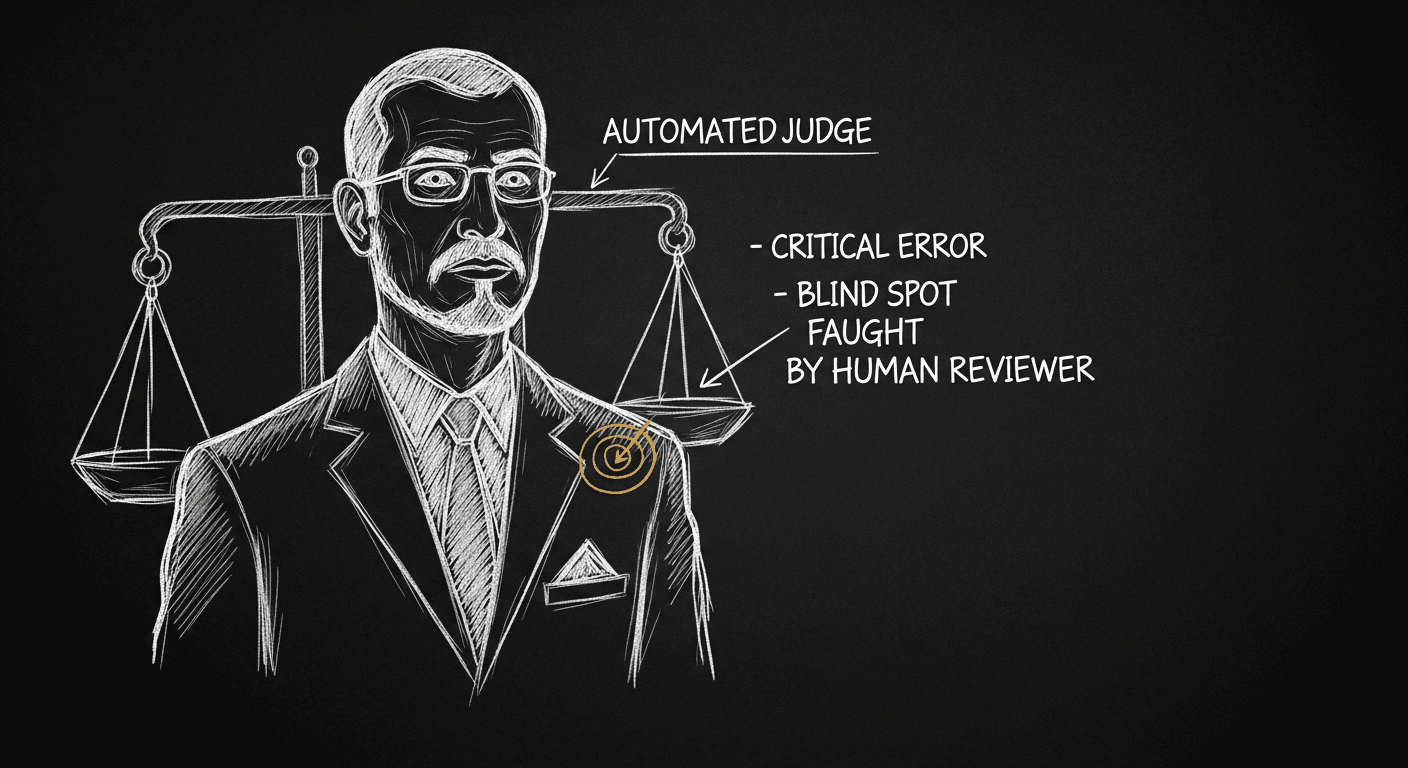
Updated for 2026: lessons from two years of using Claude Code in production. Context engineering, real eval frameworks, model economics, and agent workflows — what actually works.
EngineeringRead more →
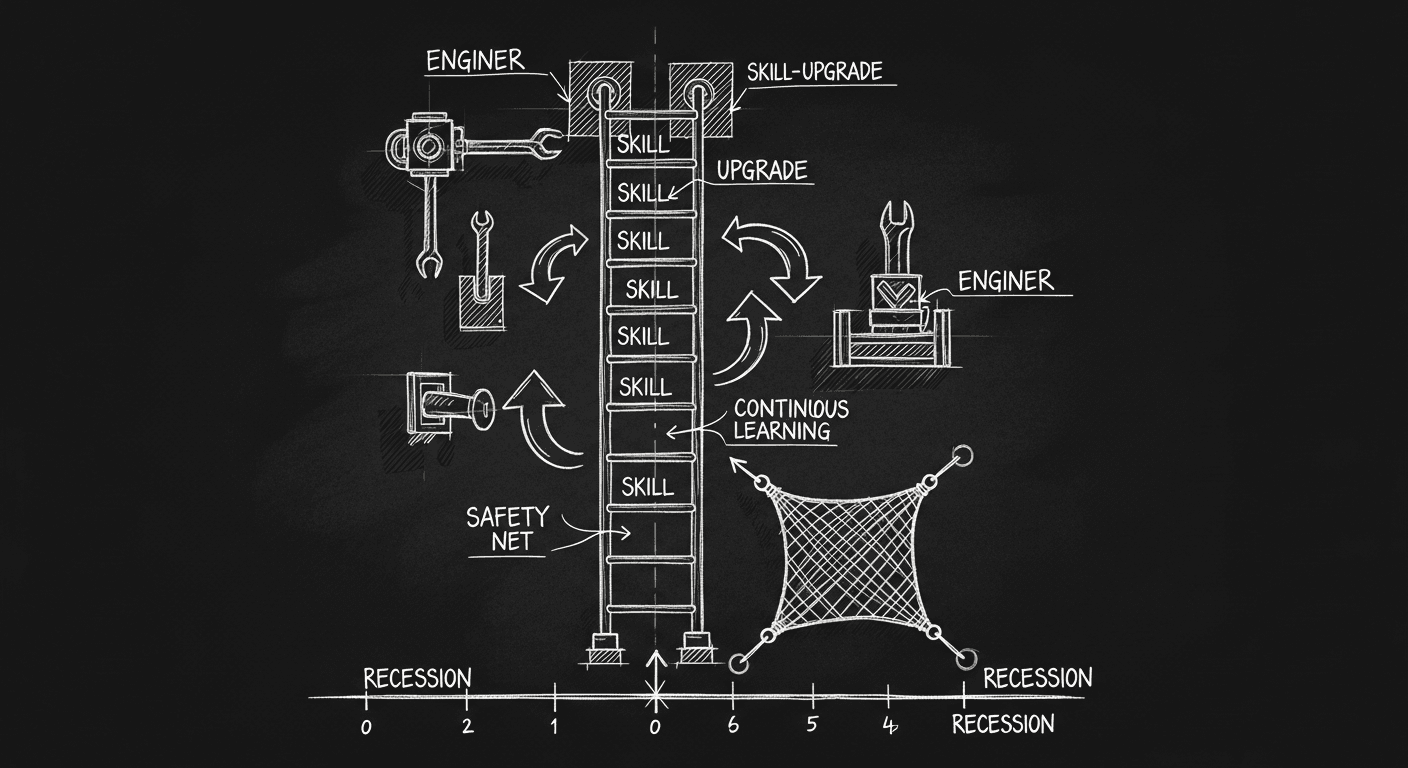
Staff Engineer Layoff Survival Guide: Lessons from 2008, 2020, 2023 — and Now
·7 min read

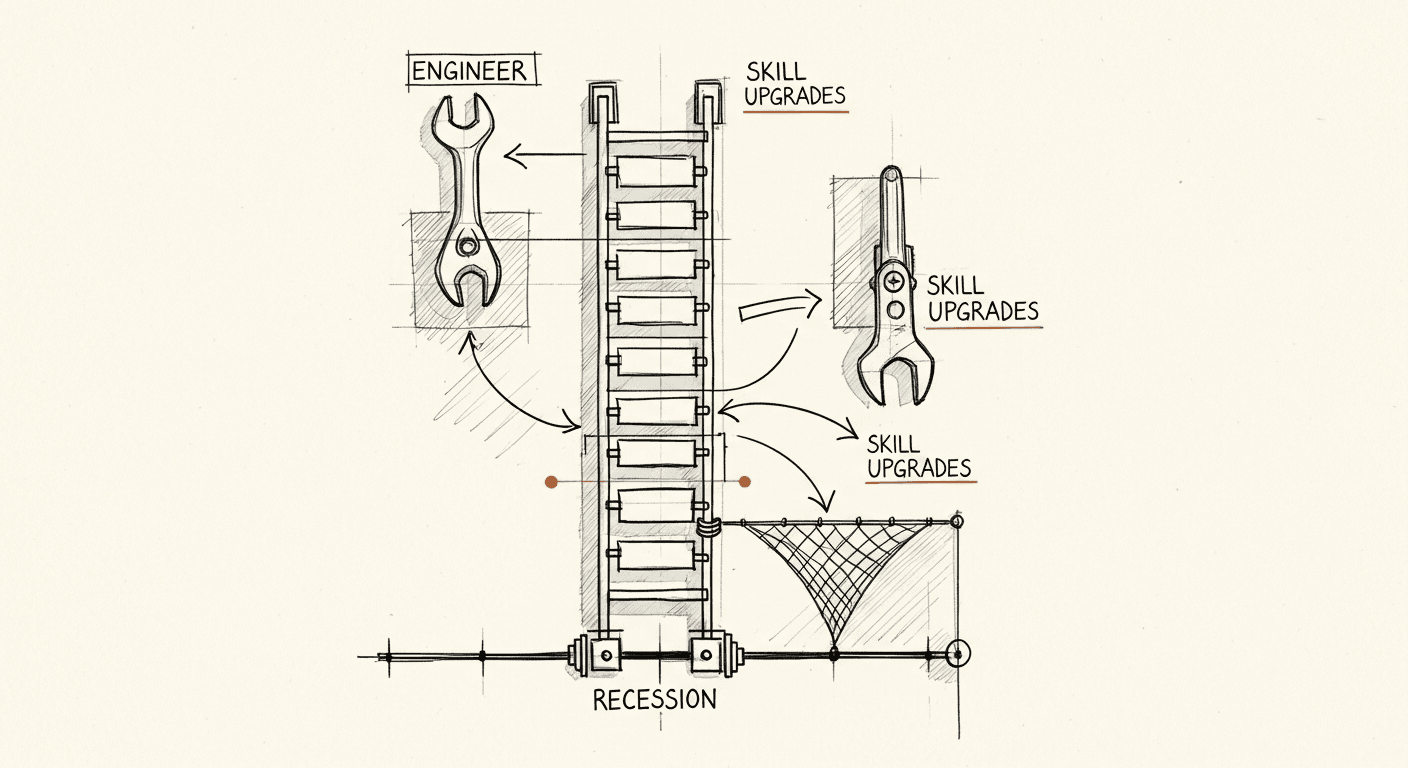
Staff Engineer Layoff Survival Guide: Lessons from 2008, 2020, 2023 — and Now

I've survived three tech recessions. Lost my job in one, held the axe in another. Now it's 2026 and the AI boom changed the rules. Here's the updated playbook.

ProductRead more →
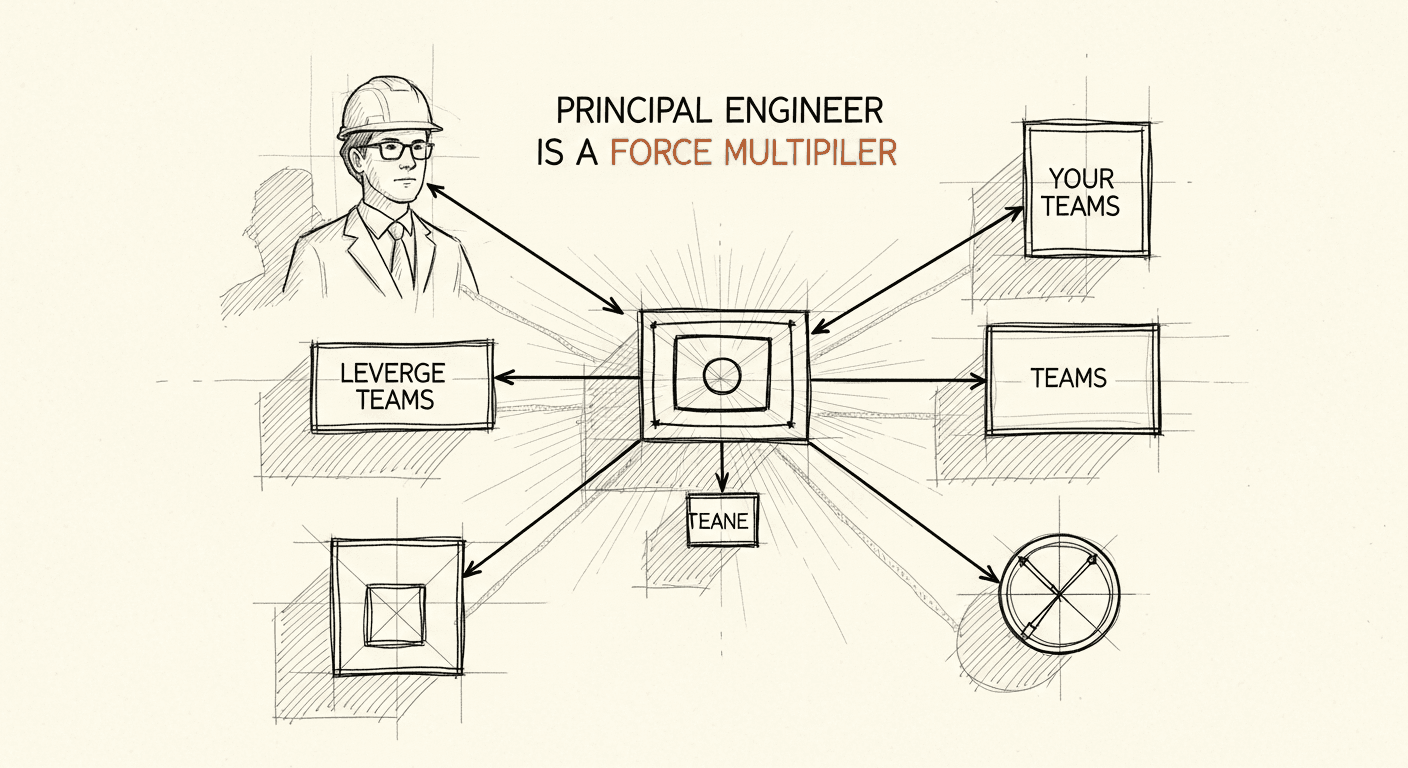
The Principal IC Playbook Nobody Shares With You

The Principal IC Playbook Nobody Shares With You

Reaching principal is the first rung of a new ladder, not the last rung of the old one. Here is what nobody told me about the ownership-autonomy paradox, how leverage actually works at this level, and the charter model I wish I had from day one.

ProductRead more →
The ESM Mess: JavaScript's Module System Is Still Broken and Here's Why

The ESM Mess: JavaScript's Module System Is Still Broken and Here's Why

ES Modules have been the supposed future of JavaScript for nine years. Only 9-27% of the ecosystem has actually adopted them. Here's what's really going on, and how to survive until the ecosystem commits.

EngineeringRead more →
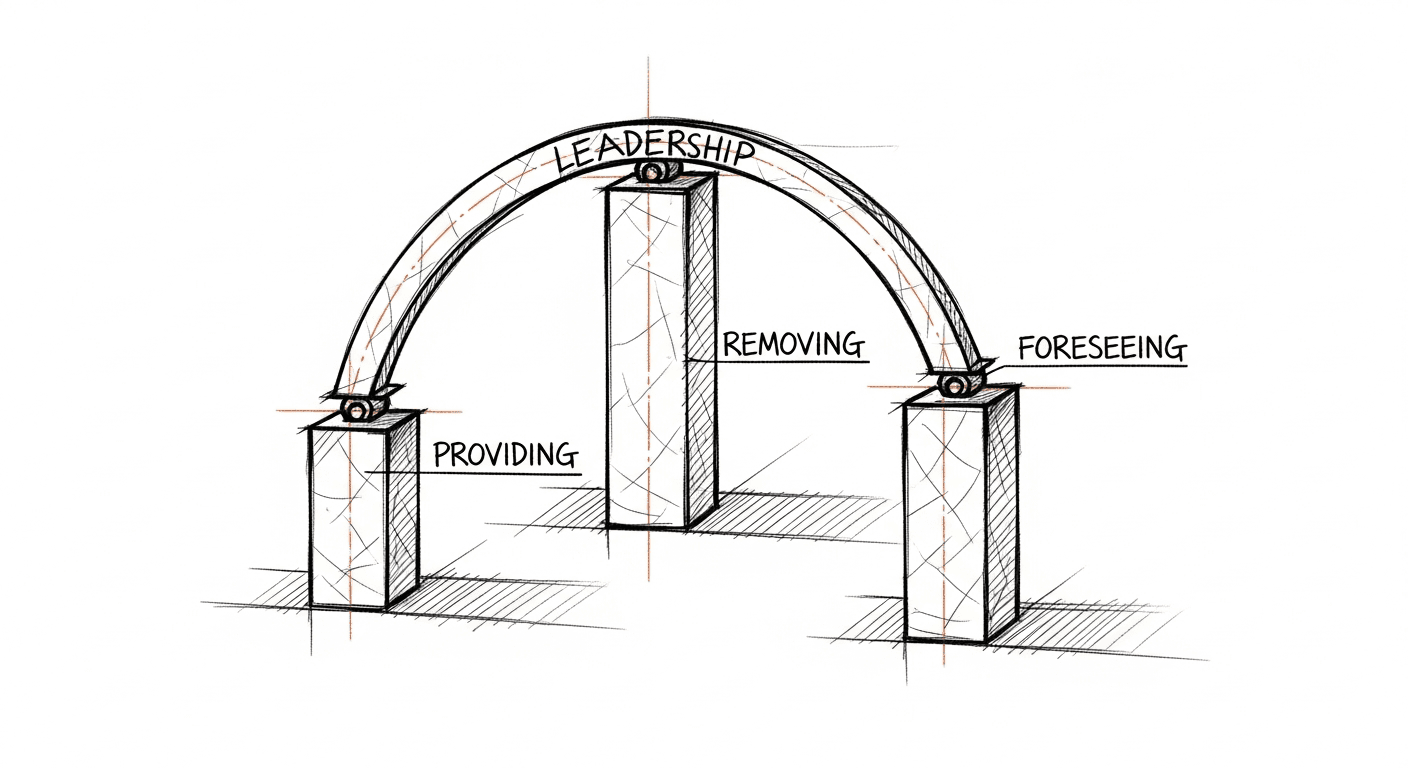
The Three Things Exceptional Engineering Leaders Do (And the One They Stop Doing)

The Three Things Exceptional Engineering Leaders Do (And the One They Stop Doing)

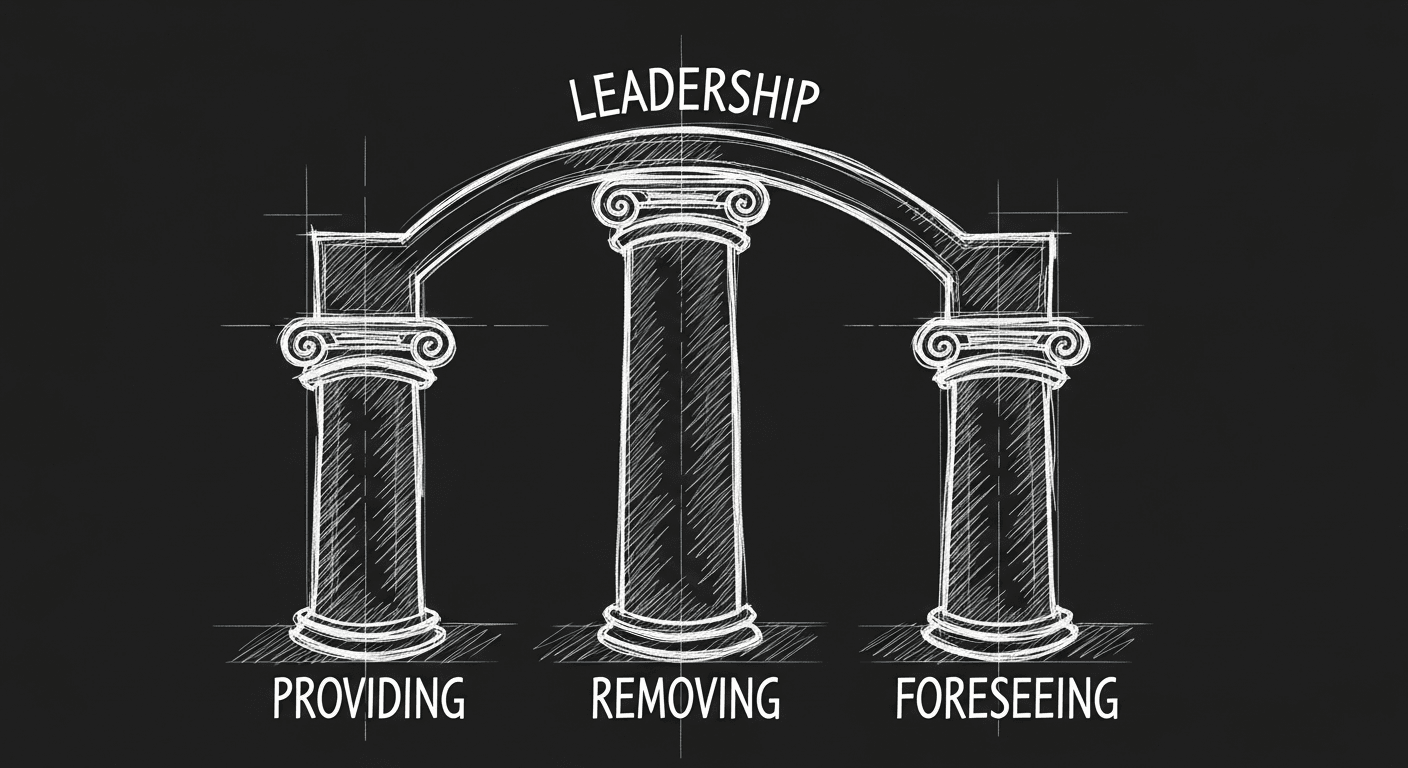
Most engineering leaders excel at one of three pillars — providing direction, removing obstacles, or foreseeing change — and quietly fail at the other two. After 12 years and more management mistakes than I care to count, here's what I've learned about building strength across all three.

ProductRead more →
The Open-Weight LLM Landscape in 2026: What Engineers Actually Need to Know

The Open-Weight LLM Landscape in 2026: What Engineers Actually Need to Know

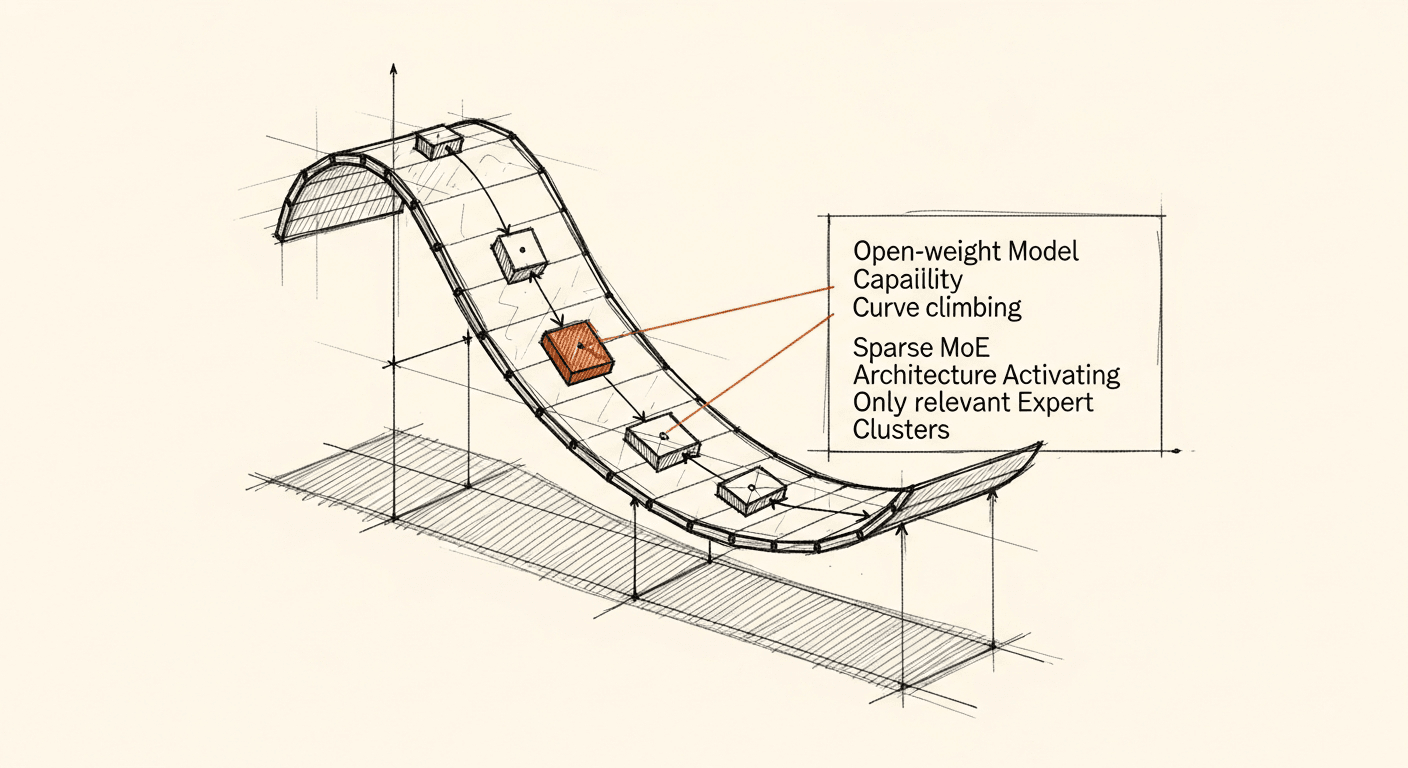
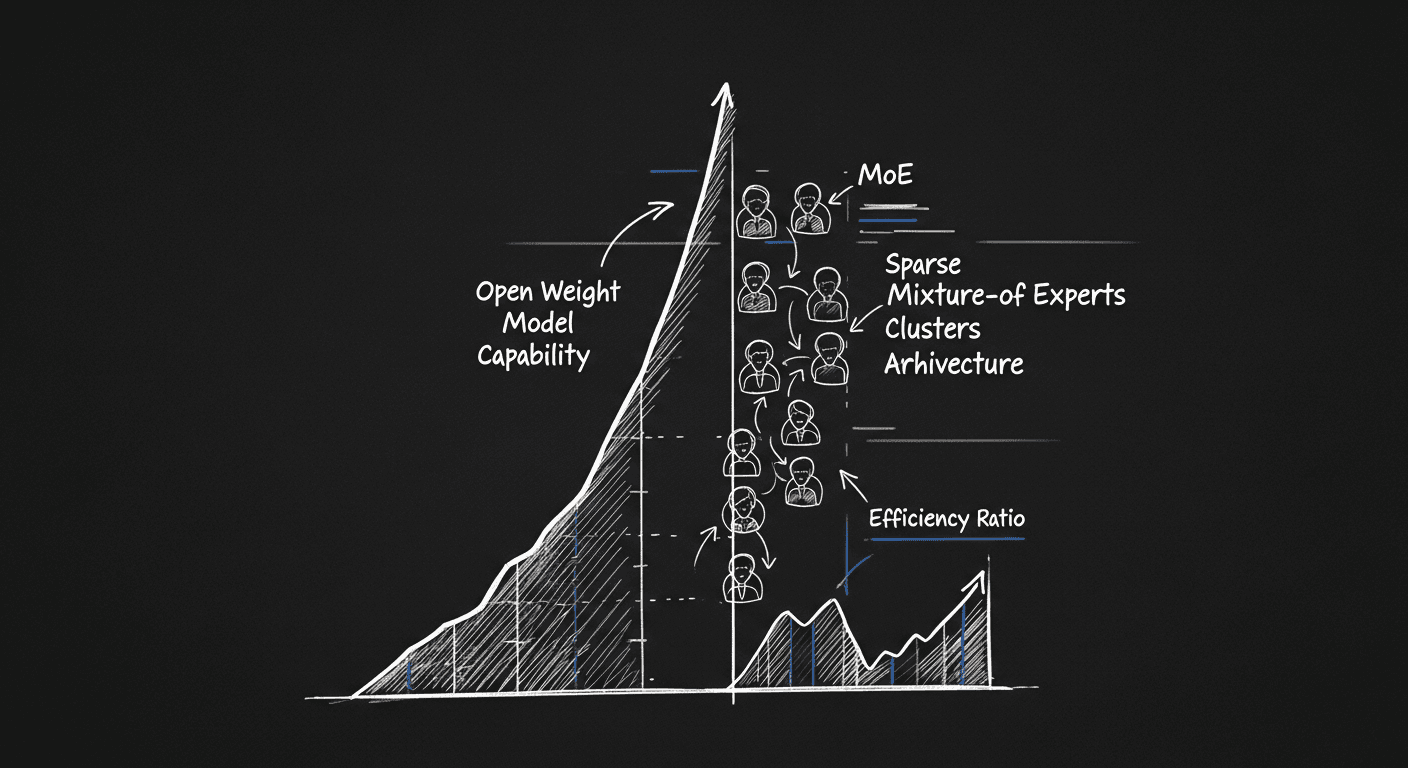
The open-weight ecosystem has matured faster than most engineers realize. MoE proliferation, hybrid attention, and extended context windows are changing what's actually deployable on-premise — and that matters more than ever for healthcare AI.

EngineeringRead more →
Software 2.0 Is Here and It Changed How I Think About Programming

Software 2.0 Is Here and It Changed How I Think About Programming

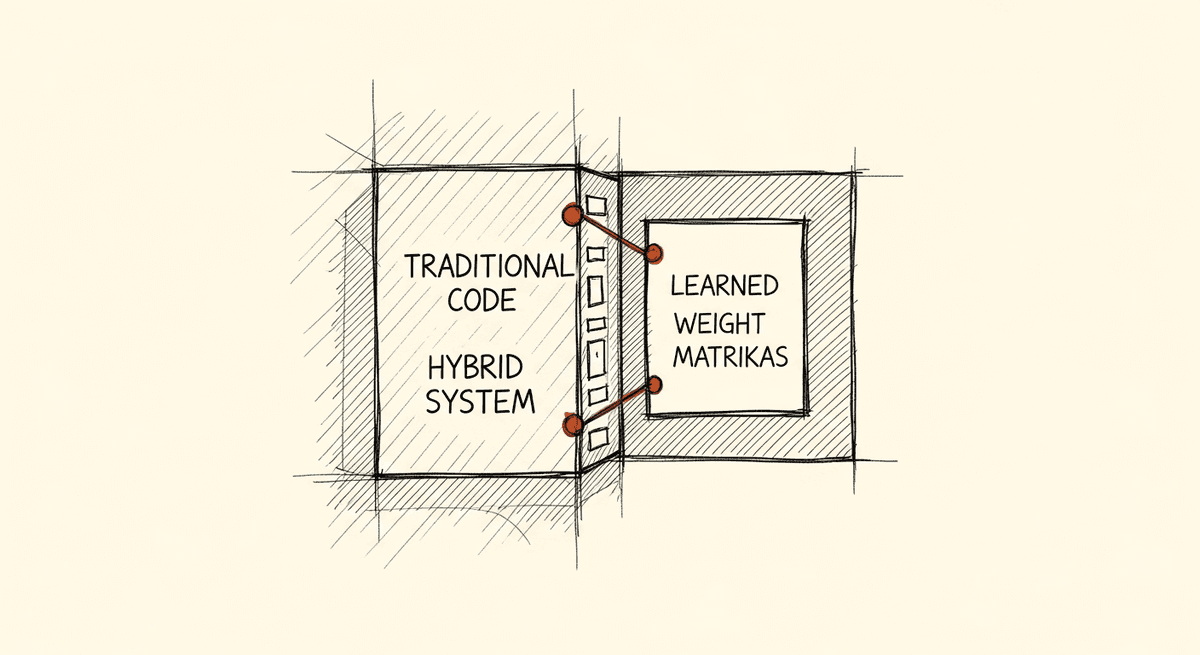
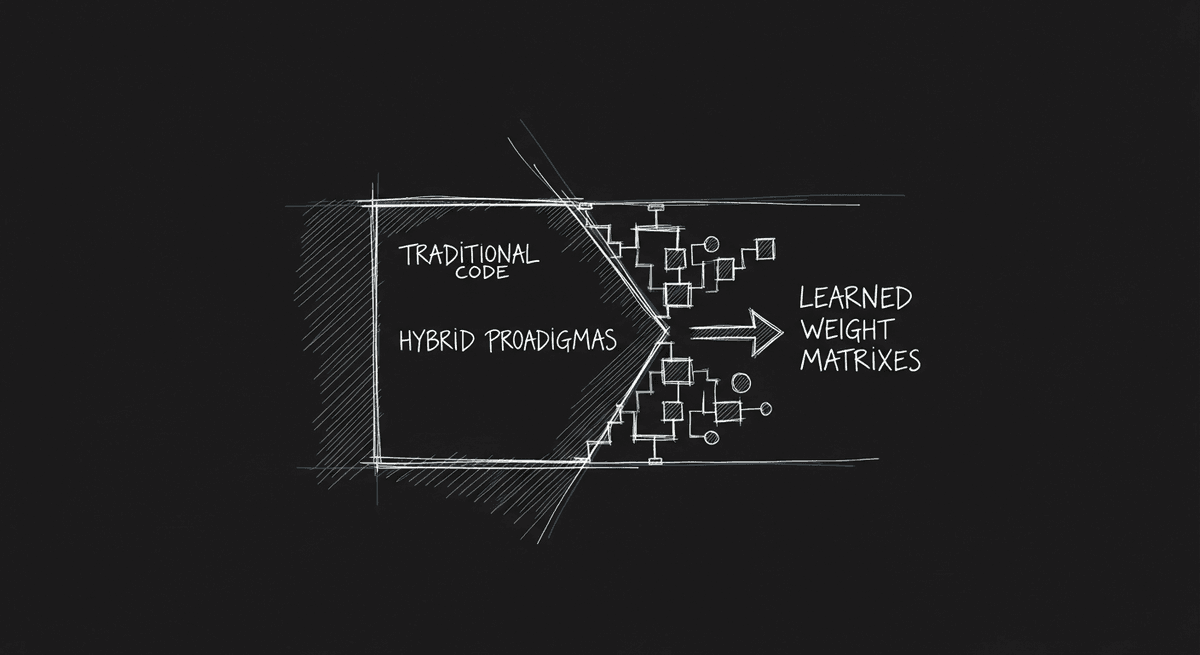
In 2017, a post called "Software 2.0" argued that neural networks would replace explicit logic as the dominant programming paradigm. Nine years later, that prediction has fully landed — and the implications for how we build software are bigger than most engineers want to admit.

EngineeringRead more →
Three Ways to Know If Your Career Is Actually Growing

Three Ways to Know If Your Career Is Actually Growing

Normal career metrics — title, pay, team size — tell you how you're doing relative to others. They don't tell you whether you're growing. Here are three that do.

ProductRead more →
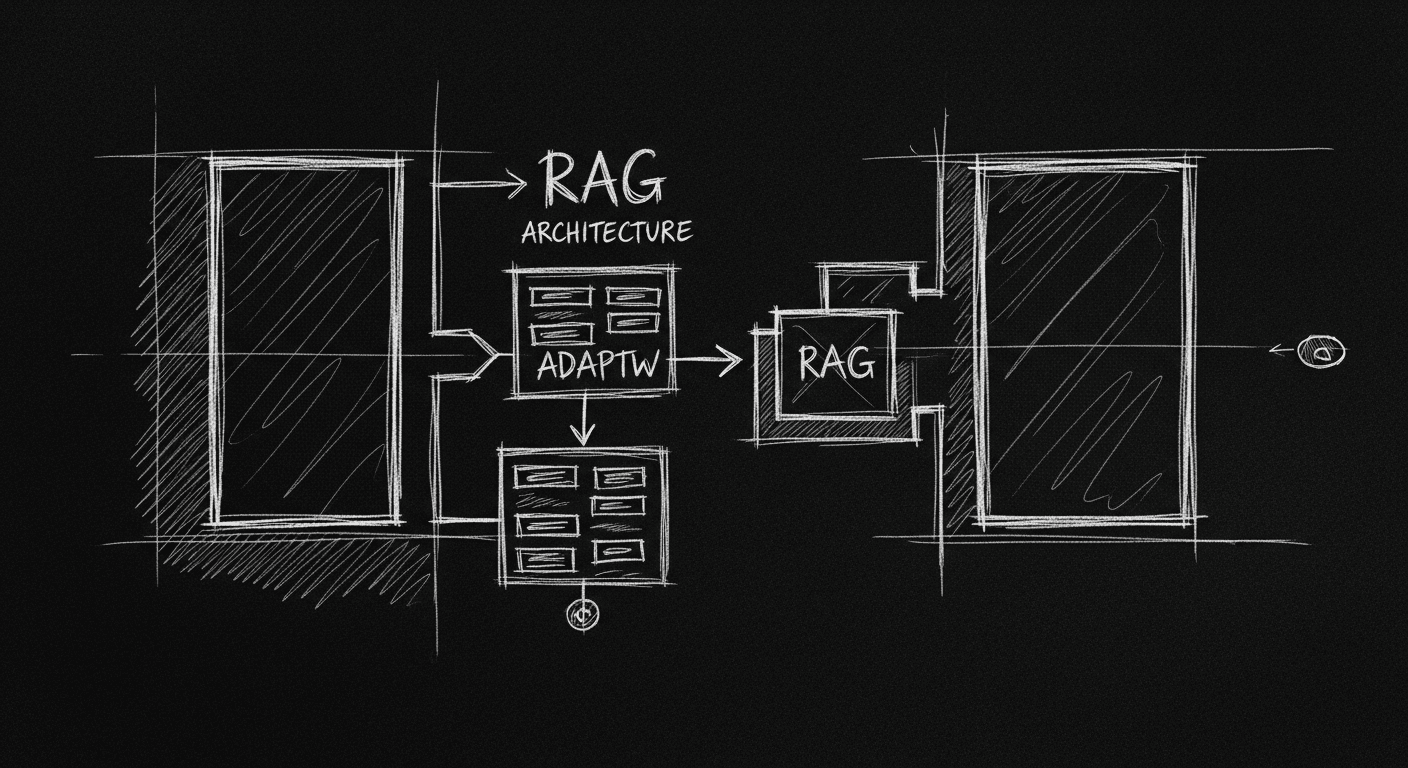
RAG Isn't Dead. You're Just Using It Wrong.

RAG Isn't Dead. You're Just Using It Wrong.

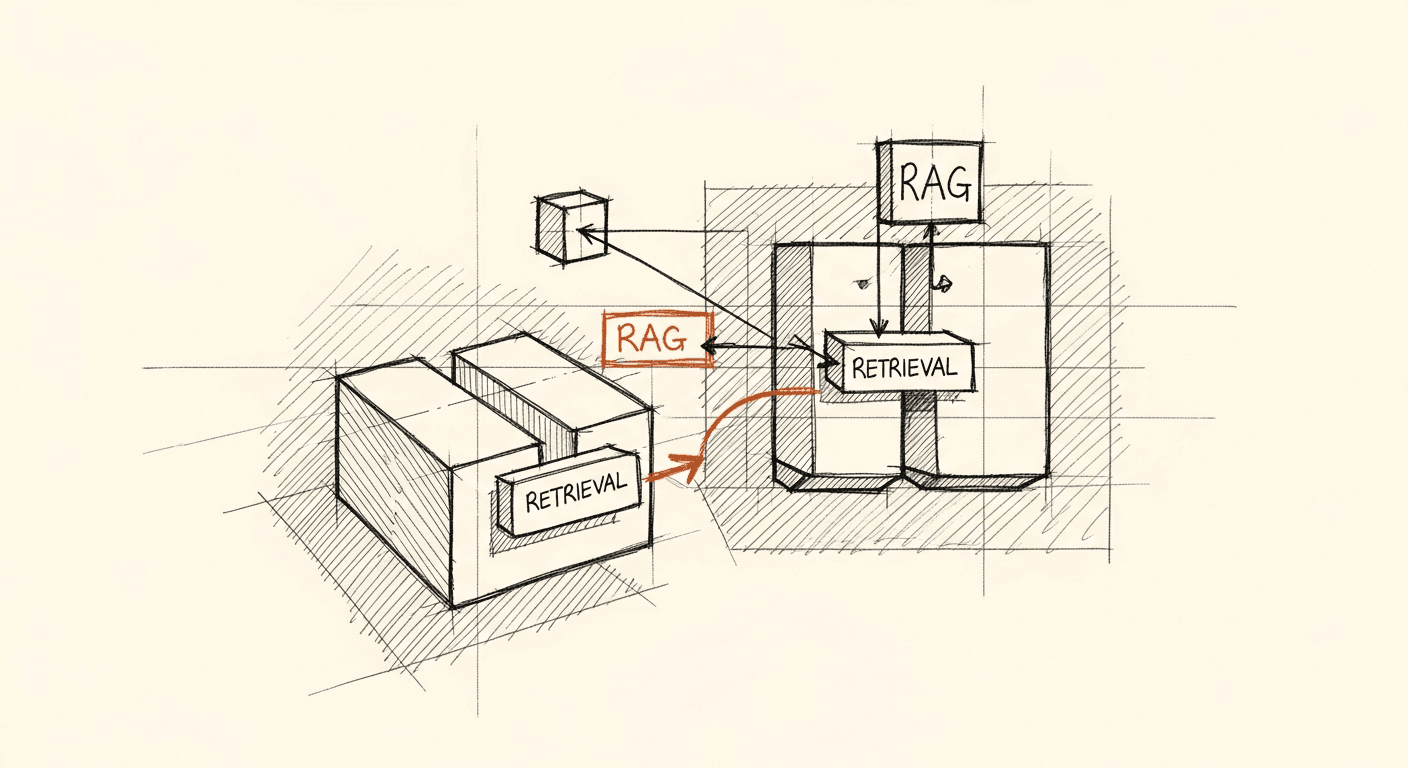
The 'RAG is dead' narrative is wrong — but it's wrong in an interesting way. After building RAG systems in healthcare production, here's what actually kills LLM context quality and what to do about it.

EngineeringRead more →
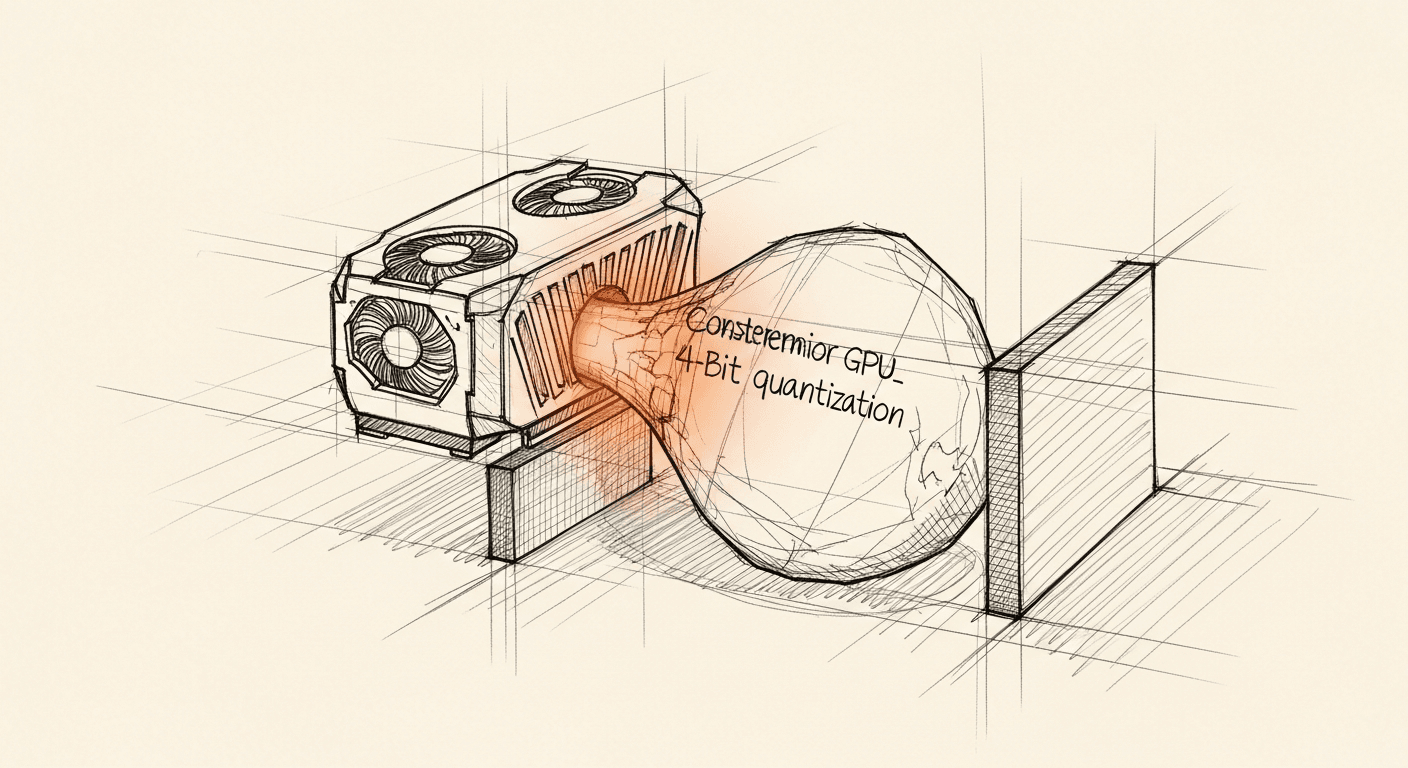
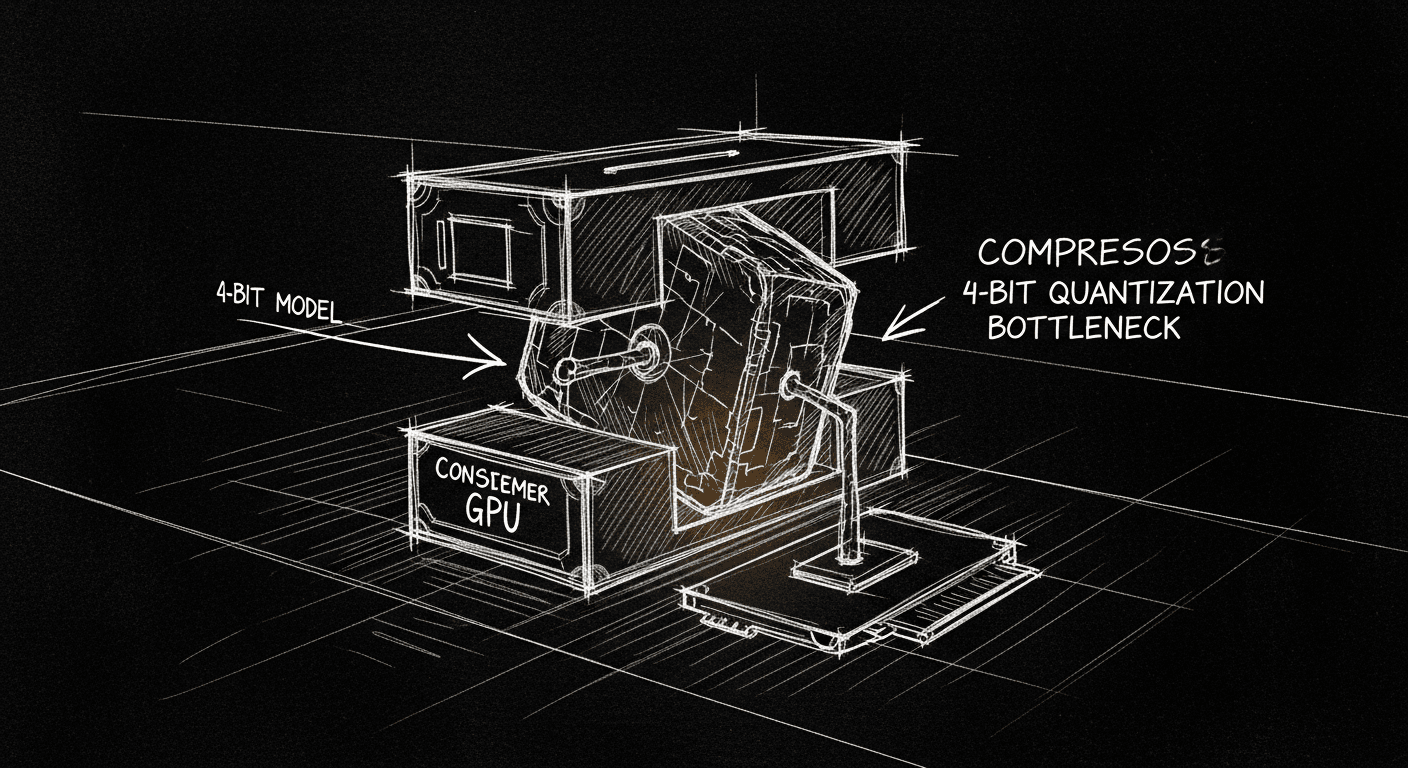
Fine-Tuning a 70B Model on a Consumer GPU: The Q-LoRA Practical Guide

Fine-Tuning a 70B Model on a Consumer GPU: The Q-LoRA Practical Guide

Q-LoRA + SFTTrainer + Flash Attention v2 means you can fine-tune a 70B parameter model on 24GB of VRAM. Here is what that actually looks like end-to-end, what it costs in quality, and when you should just use the API instead.

EngineeringRead more →
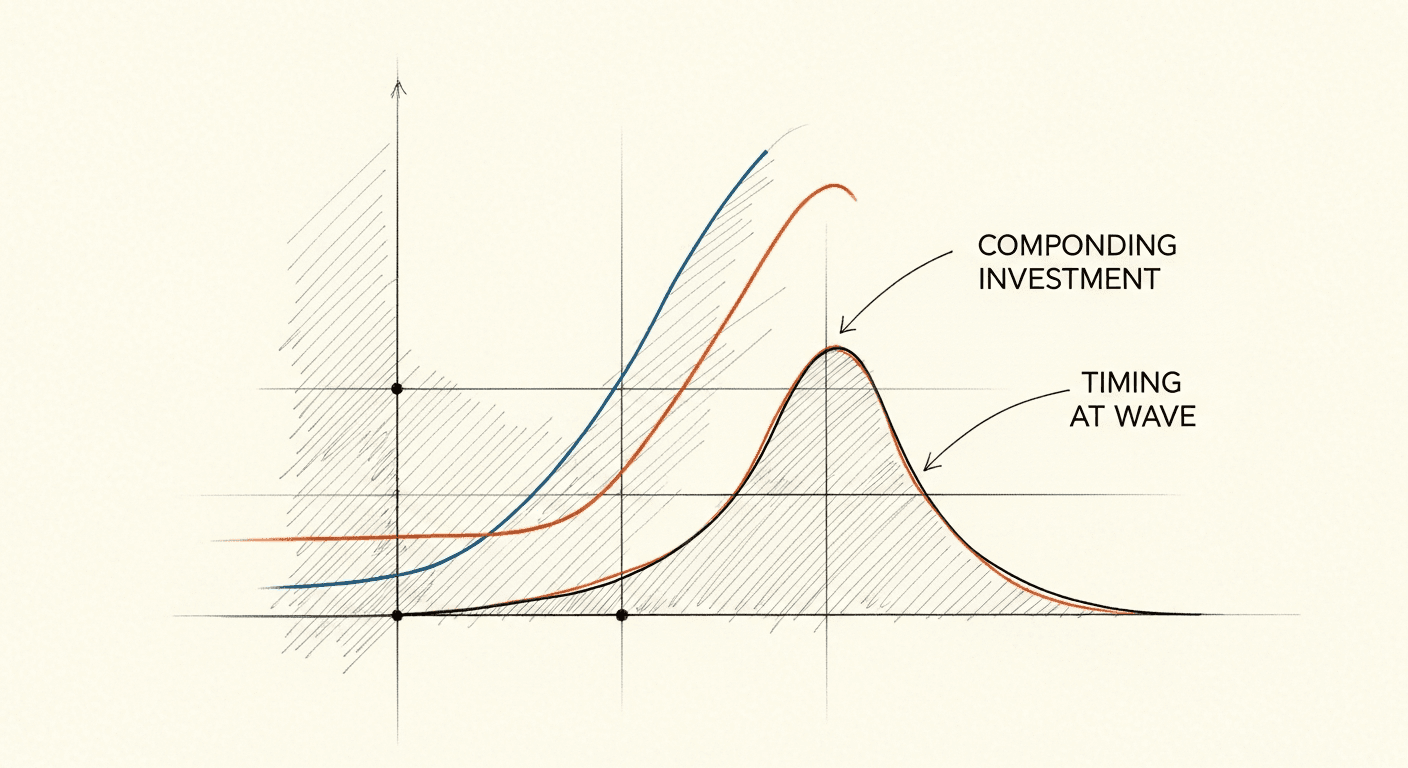
Time vs. Timing: The Career Framework I Wish I Had Earlier

Time vs. Timing: The Career Framework I Wish I Had Earlier

I've made bets that paid off because of timing and bets that paid off because of compounding. Confusing the two is how careers stall.

ProductRead more →
The LLM Year in Review: What Actually Mattered in 2025 (And What Was Noise)

The LLM Year in Review: What Actually Mattered in 2025 (And What Was Noise)

The prediction was: bigger models win. The reality was: DeepSeek R1 rewrote the rules in January and nothing was the same after that. Here is what 2025 actually taught us about reasoning, inference-time compute, and the changing economics of intelligence.

EngineeringRead more →
From Contractor to Consultant: The Mindset Shift That Changes Your Income

From Contractor to Consultant: The Mindset Shift That Changes Your Income

Contractors sell time. Consultants sell results. After 12 years in AI and ML, I learned that distinction the hard way — and the moment it clicked changed how I price, position, and pick clients.

ProductRead more →
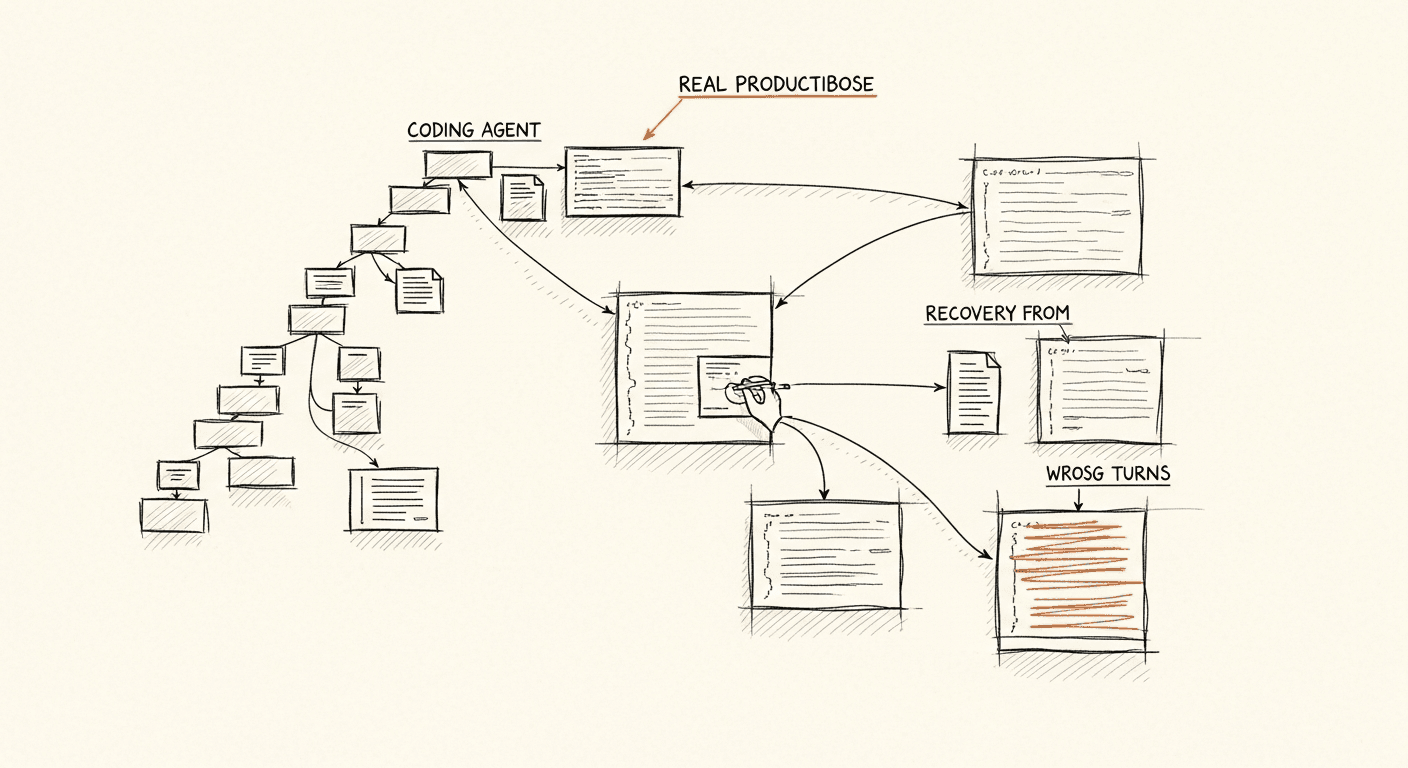
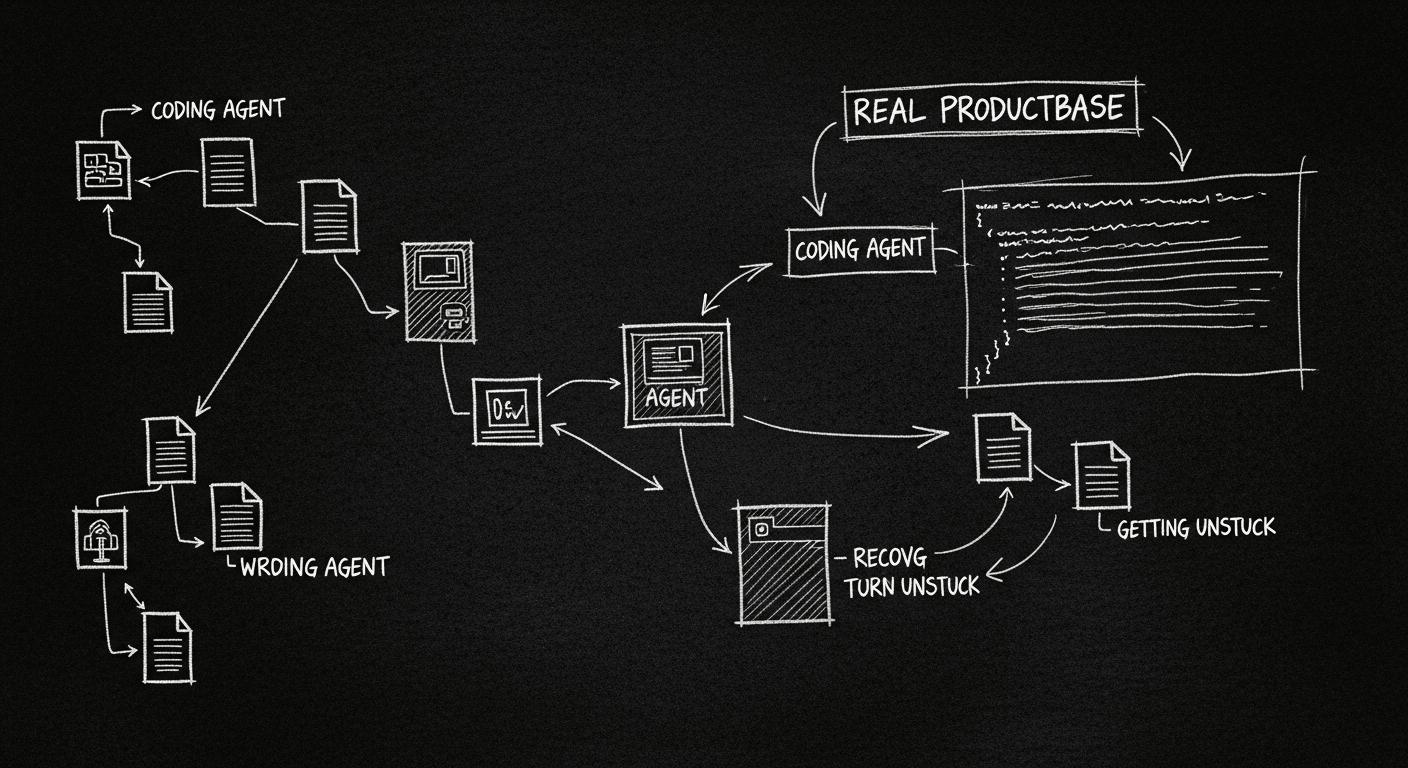
What the Teams Actually Shipping Coding Agents Have Figured Out

What the Teams Actually Shipping Coding Agents Have Figured Out

Coding agents are the most economically viable AI in production today. Here are the patterns that Devin, Cline, Amp, and others converged on — and what they mean for anyone building or using agents seriously.

EngineeringRead more →
Stop Shipping Features: Why AI Products Need an Experiment Mindset

Stop Shipping Features: Why AI Products Need an Experiment Mindset

After shipping 12 features in a quarter and moving zero meaningful metrics, I learned the hard way that AI products are not software projects. The roadmap is a hypothesis board, not a delivery schedule.

ProductRead more →
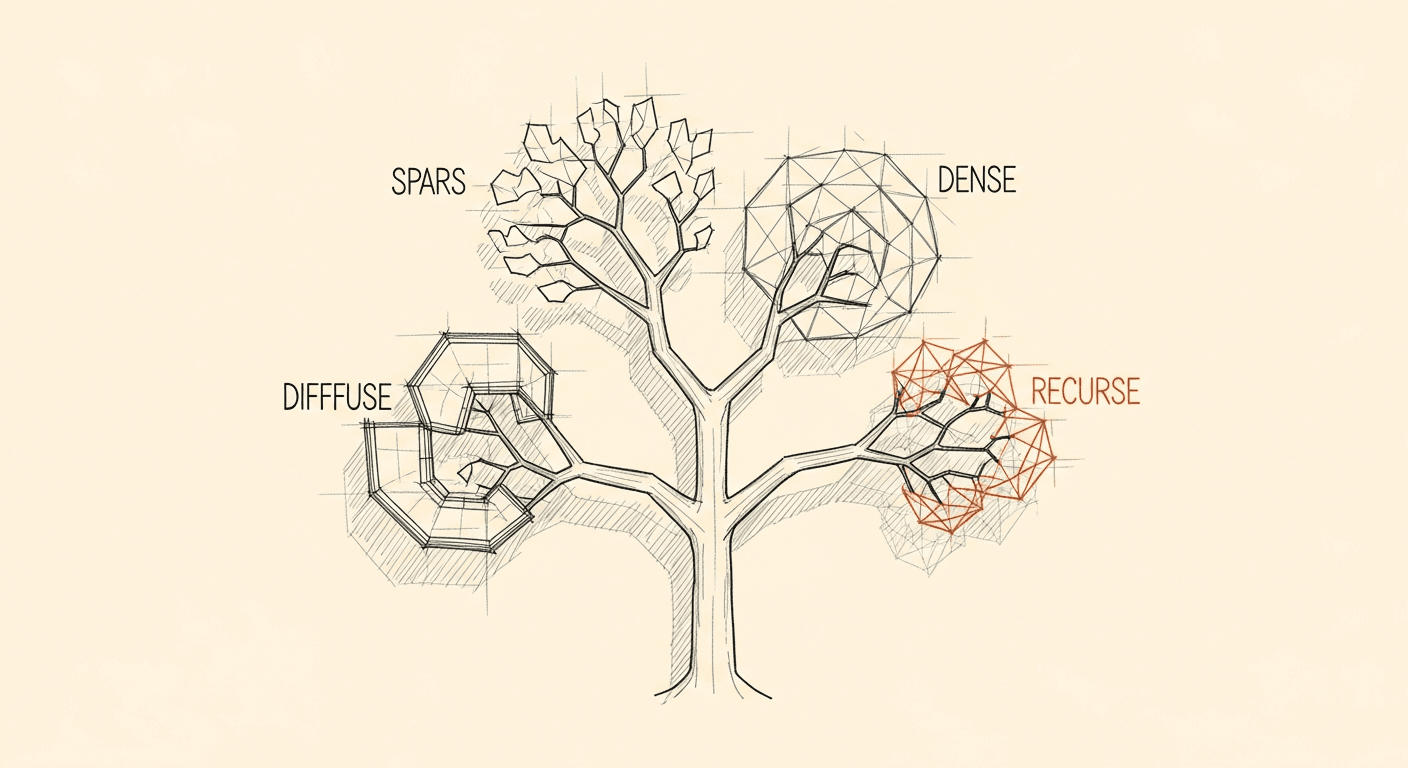
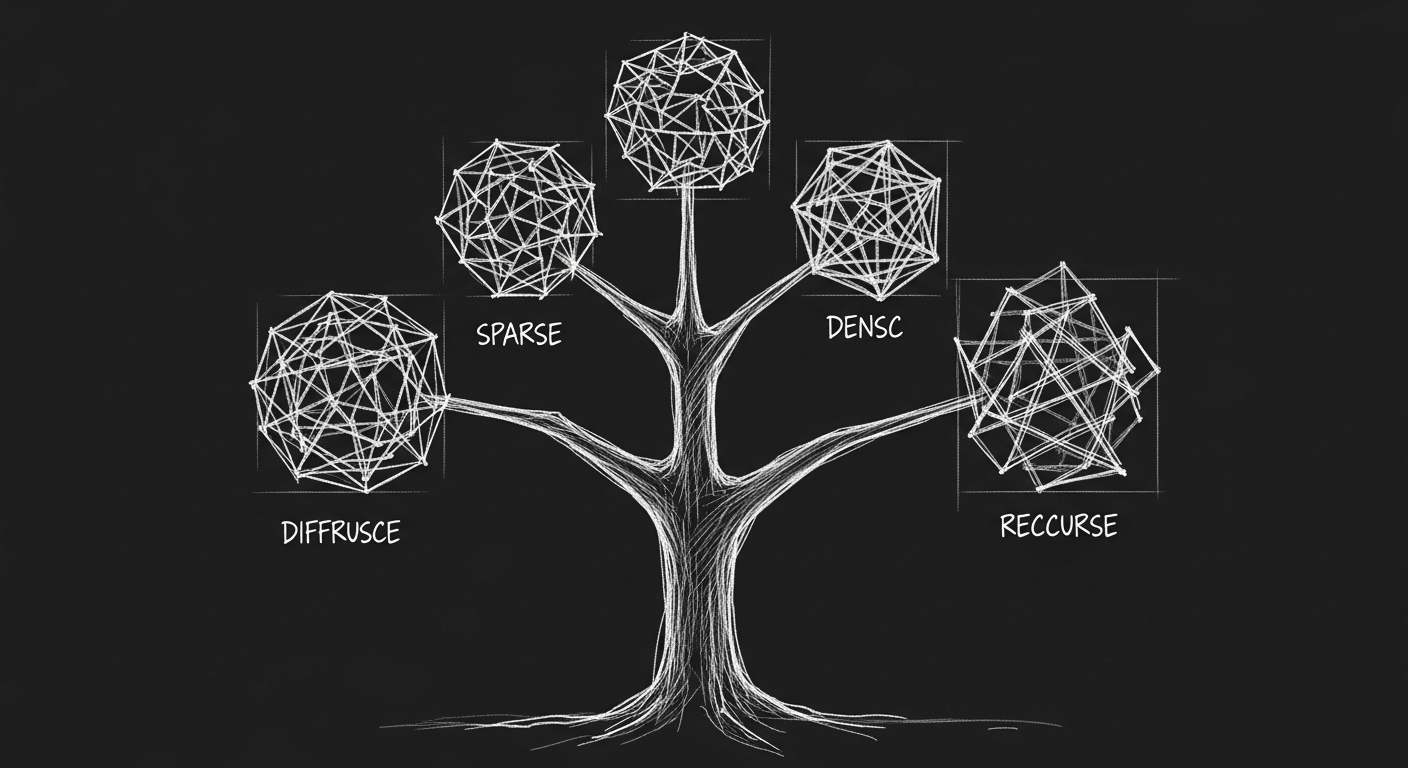
Beyond Chunks: Why Faceted Context Is the Future of RAG

Beyond Chunks: Why Faceted Context Is the Future of RAG

Chunk-based RAG returns results. Faceted context gives agents peripheral vision — an understanding of the information landscape that lets them navigate rather than just consume. Here is what that looks like in a domain where getting it wrong actually matters.

EngineeringRead more →
Context Engineering: The Skill That Replaced Prompt Engineering

Context Engineering: The Skill That Replaced Prompt Engineering

After 12 years in ML and two years building production AI systems, I stopped obsessing over prompts. The engineers who ship better agents are not writing better instructions — they are designing better information spaces.

EngineeringRead more →
Every Service Is Going to Need an MCP Layer

Every Service Is Going to Need an MCP Layer

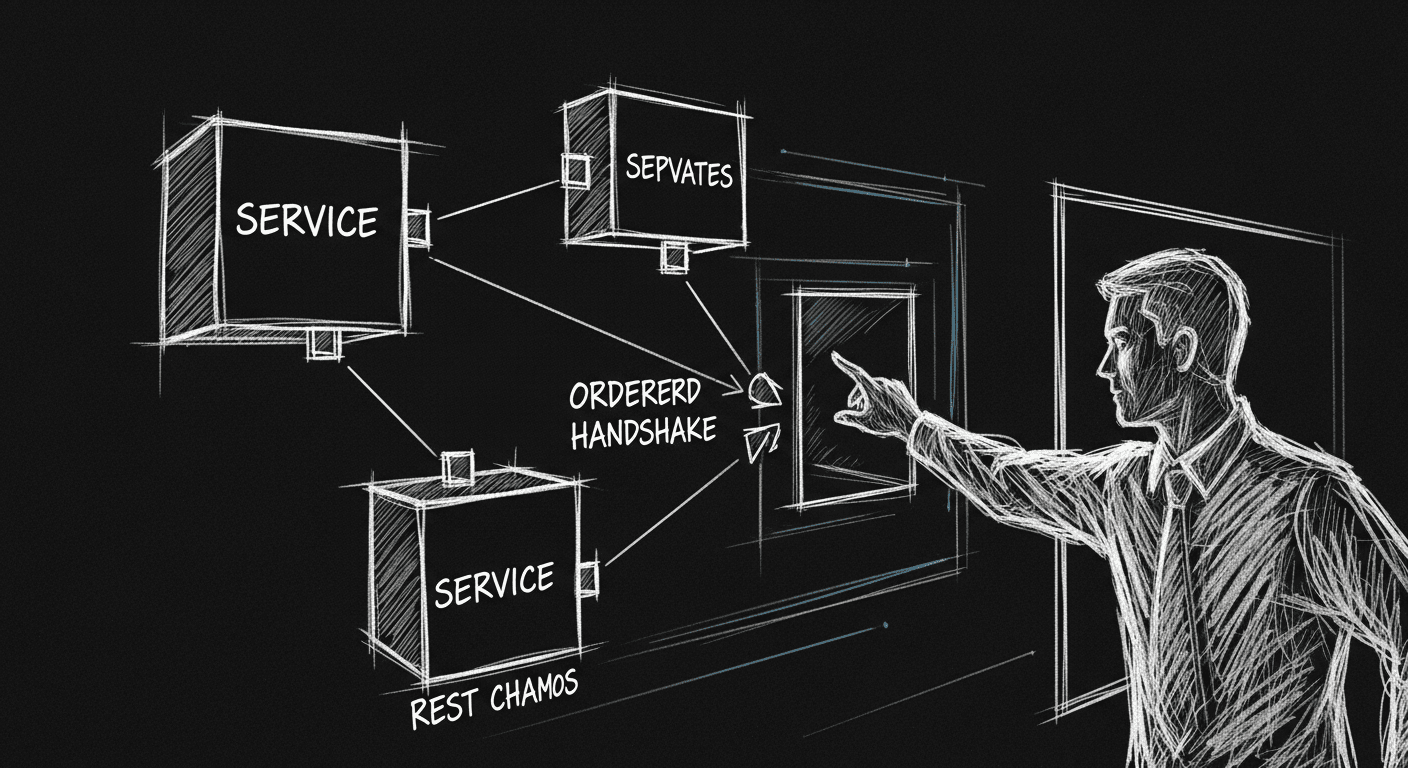
REST APIs were designed for humans calling services through UIs. AI agents are not humans. Here is what breaks when you expose your existing APIs to agents, and what the right architecture actually looks like.

EngineeringRead more →
When English Became a Programming Language

When English Became a Programming Language

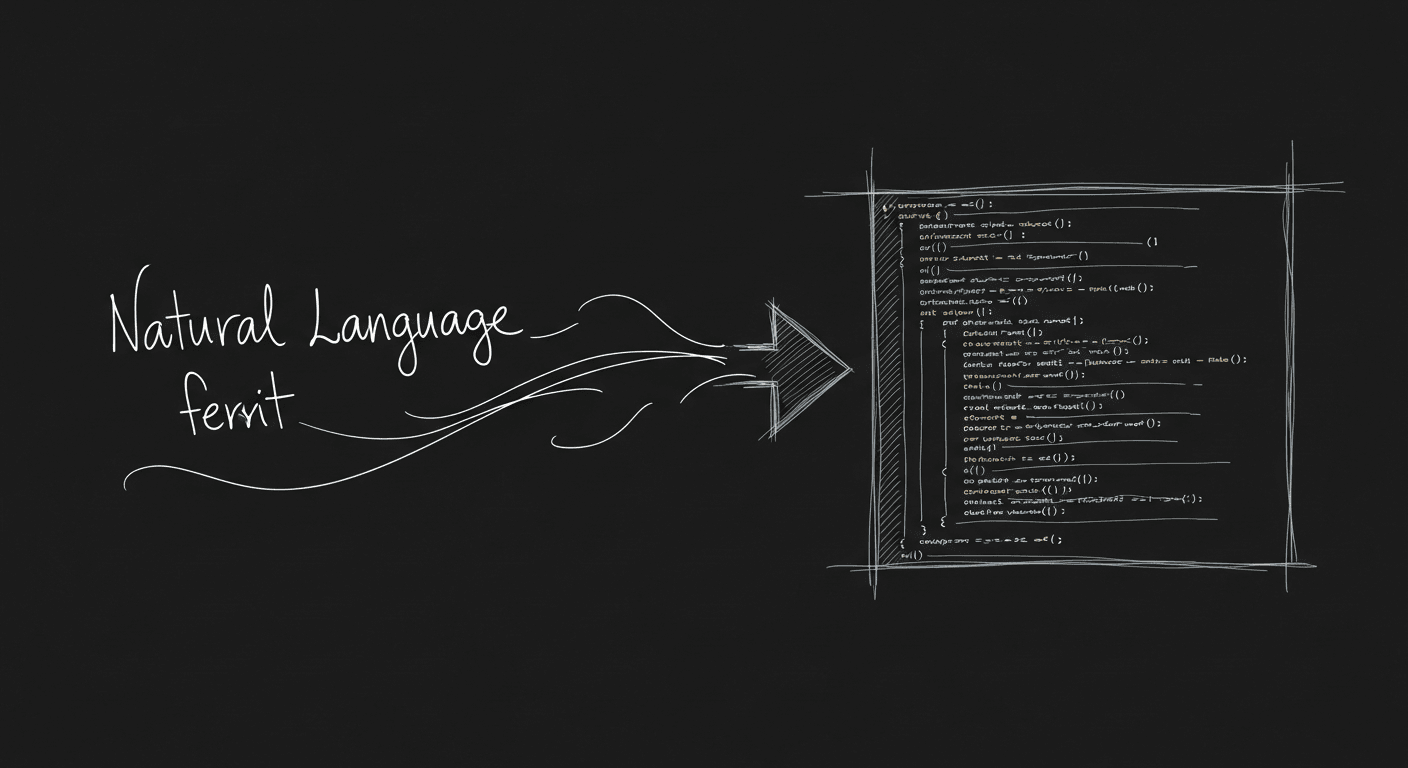
v0 just proved that English plus AI can replace traditional web development for most apps. I've spent 12 years mastering this craft. Here's my honest take on what that means.

ProductRead more →
Fine-Tuning LLMs Without the RLHF Headache: The DPO Approach

Fine-Tuning LLMs Without the RLHF Headache: The DPO Approach

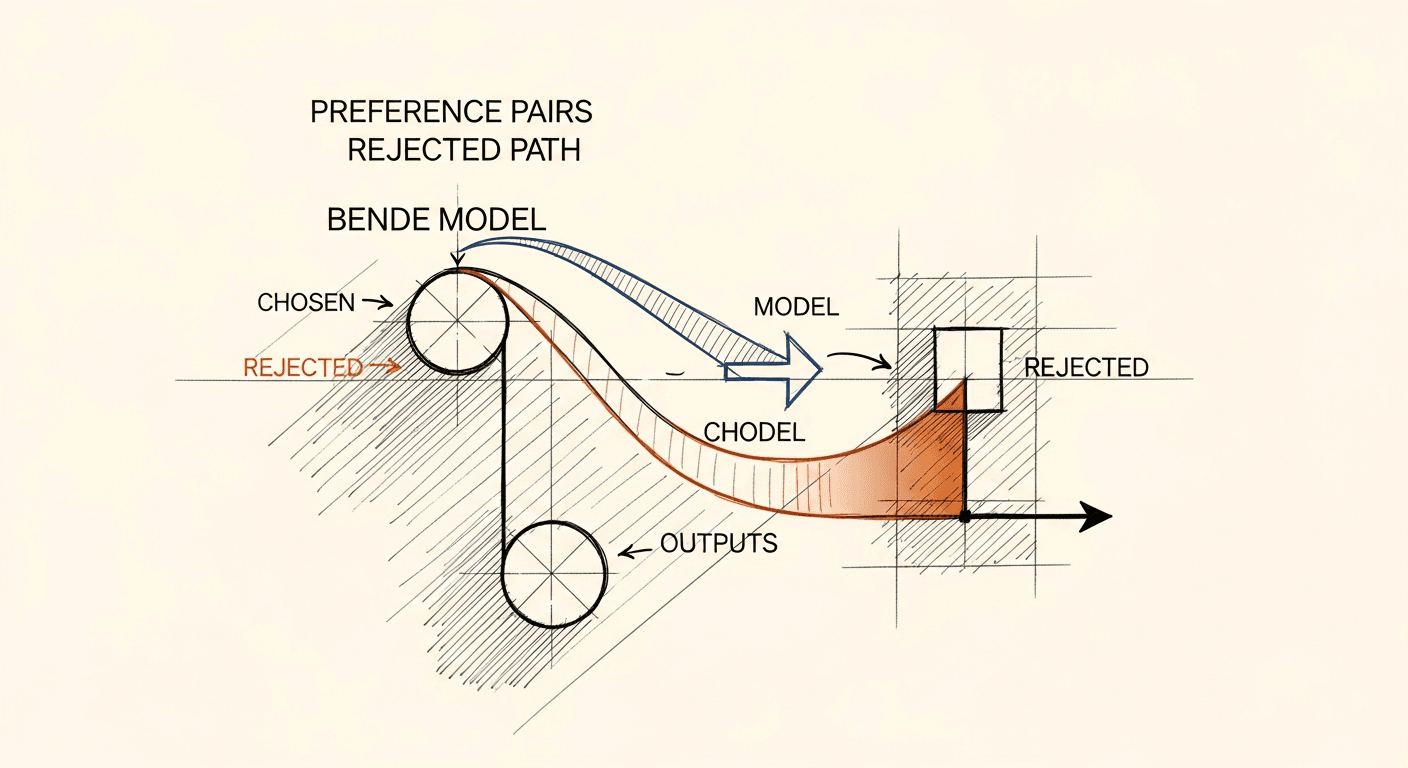
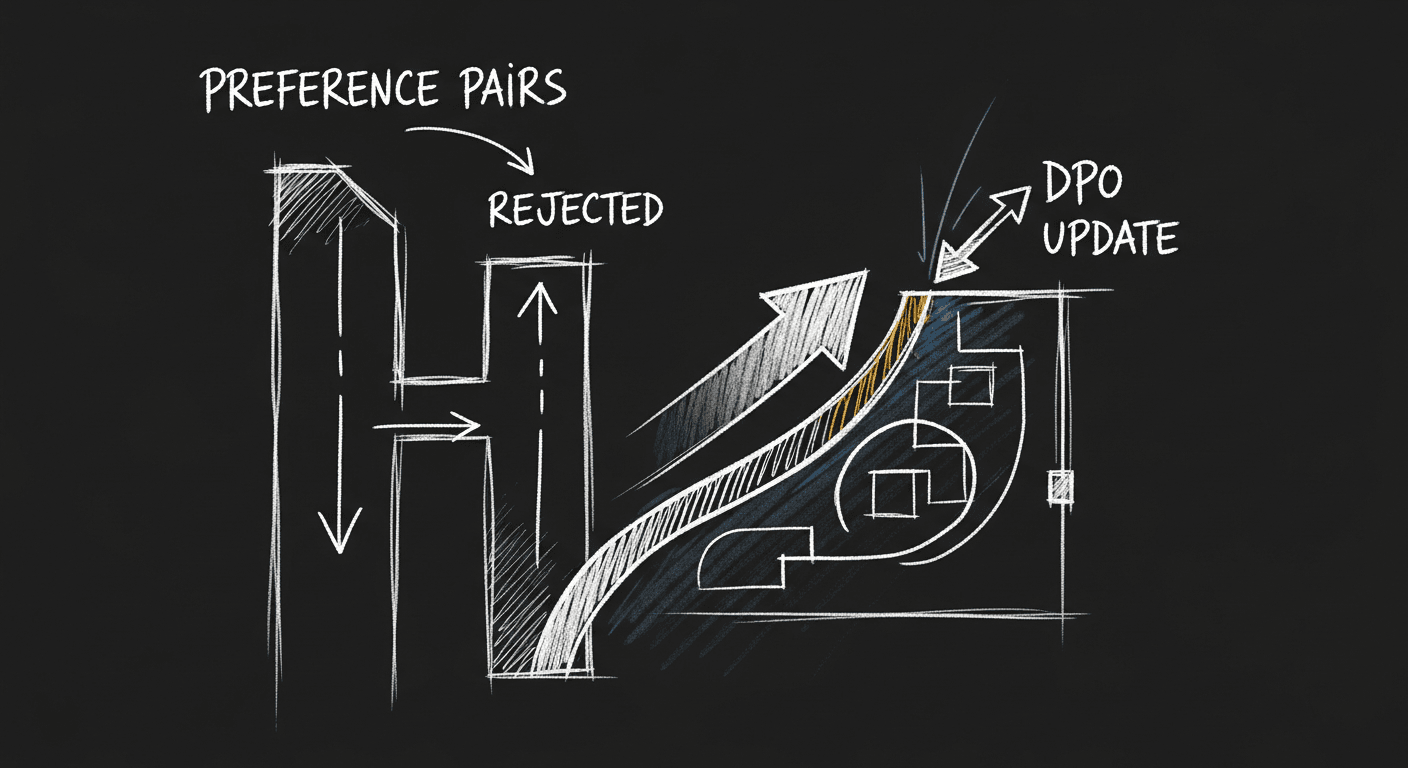
RLHF is the right idea with the wrong implementation cost for most teams. DPO flips the math — here's how I'd use it to align a healthcare AI model on clinician feedback without burning a month on reward model engineering.

EngineeringRead more →
Agency Beats Intelligence: How I Now Hire (And Evaluate Myself)

Agency Beats Intelligence: How I Now Hire (And Evaluate Myself)

Raw intelligence is abundant and cheap. The engineers thriving in the AI era are the ones with agency — the ability to set goals, act under uncertainty, and self-correct. Here is how I changed my interview process to find them.

ProductRead more →
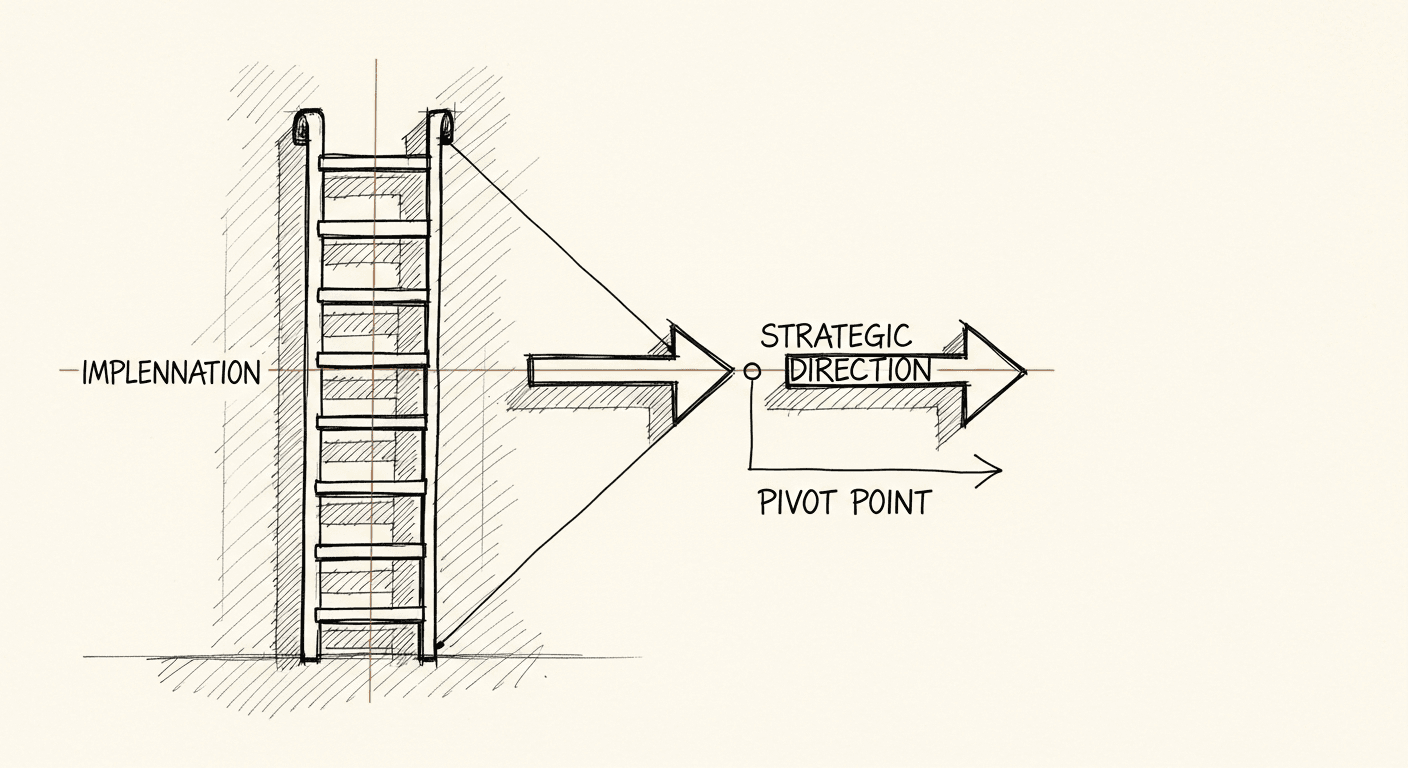
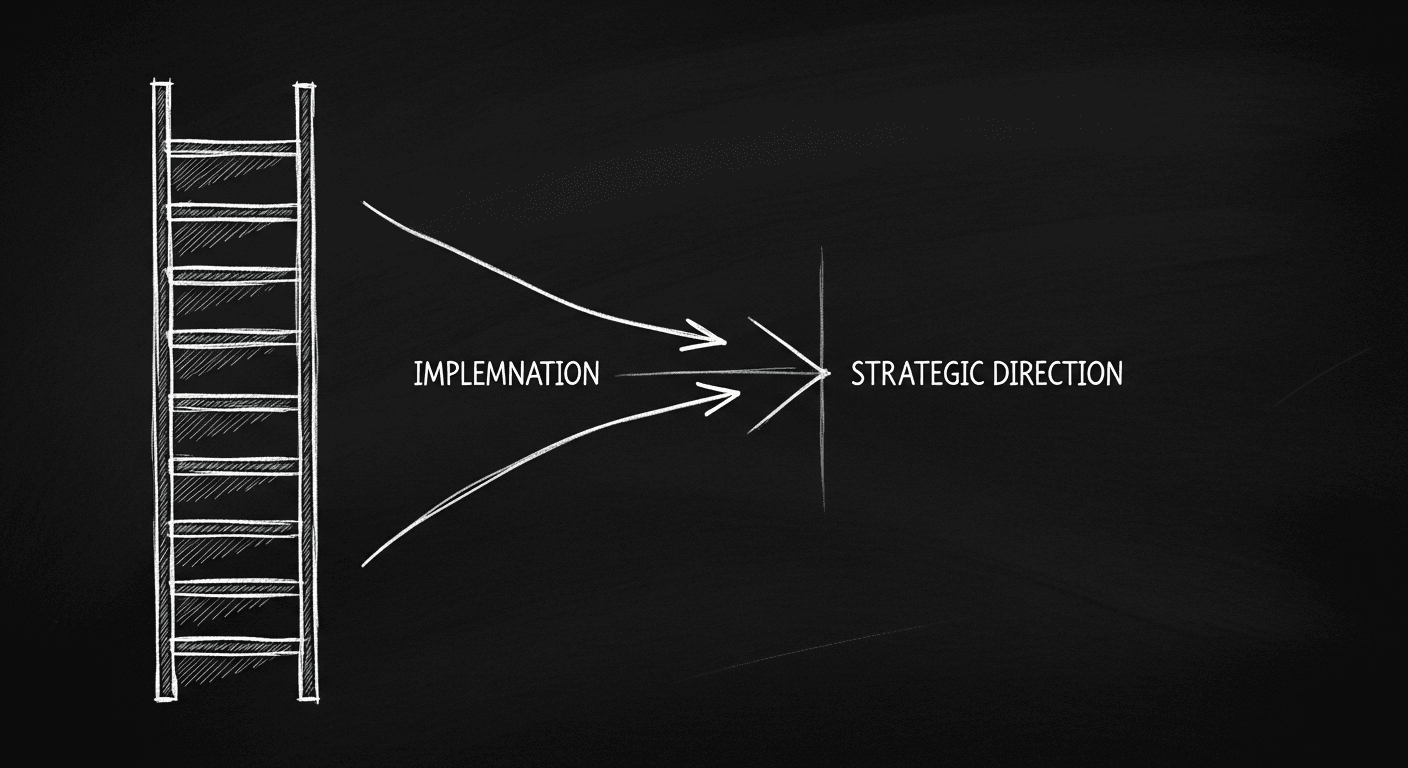
You Are No Longer a Coder: The Shift from Execution to Direction

You Are No Longer a Coder: The Shift from Execution to Direction

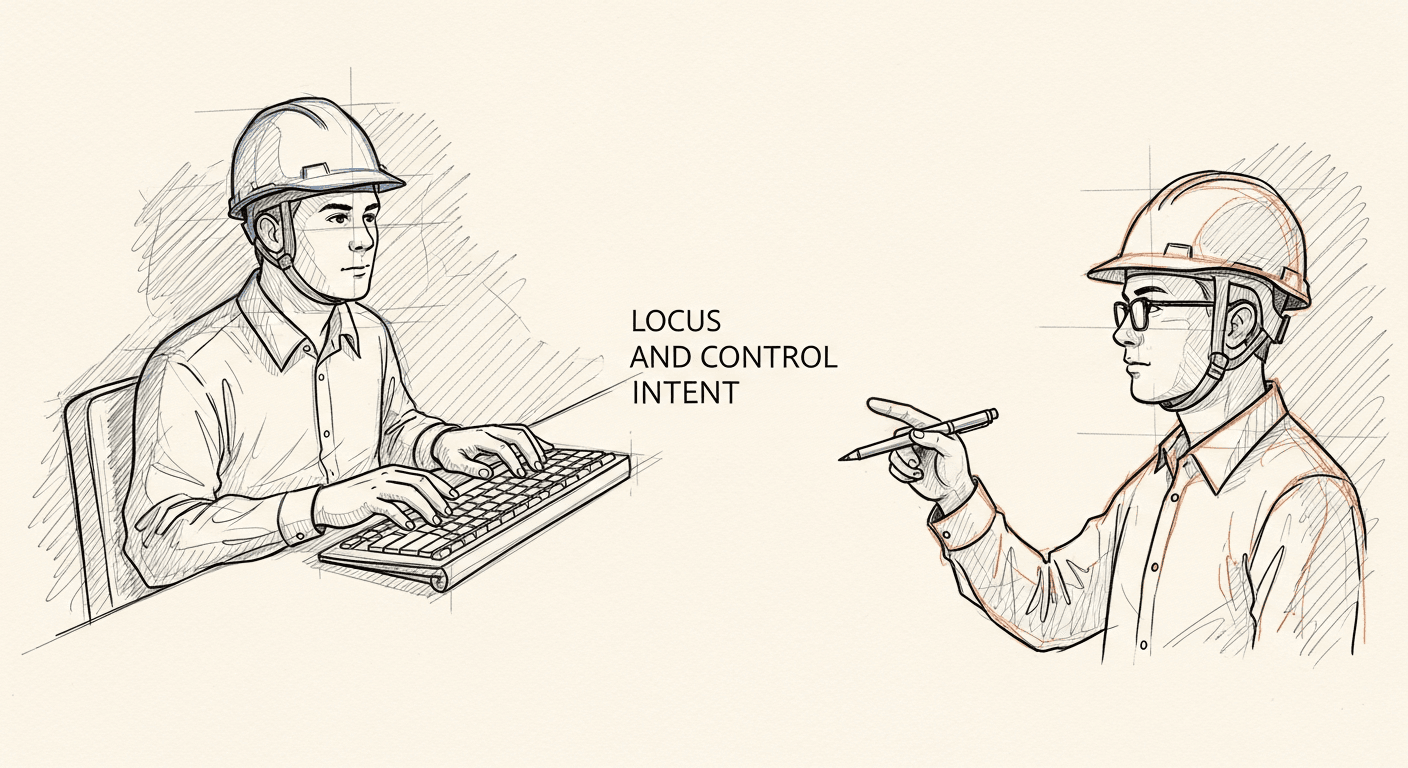
After 12 years of building systems by hand, I stopped writing most of my own code. Here is what changed, what I delegated to AI, what I found it cannot do, and why the hardest part of the transition had nothing to do with technology.

ProductRead more →
Context Rot: The Silent Performance Killer in Your LLM Application

Context Rot: The Silent Performance Killer in Your LLM Application

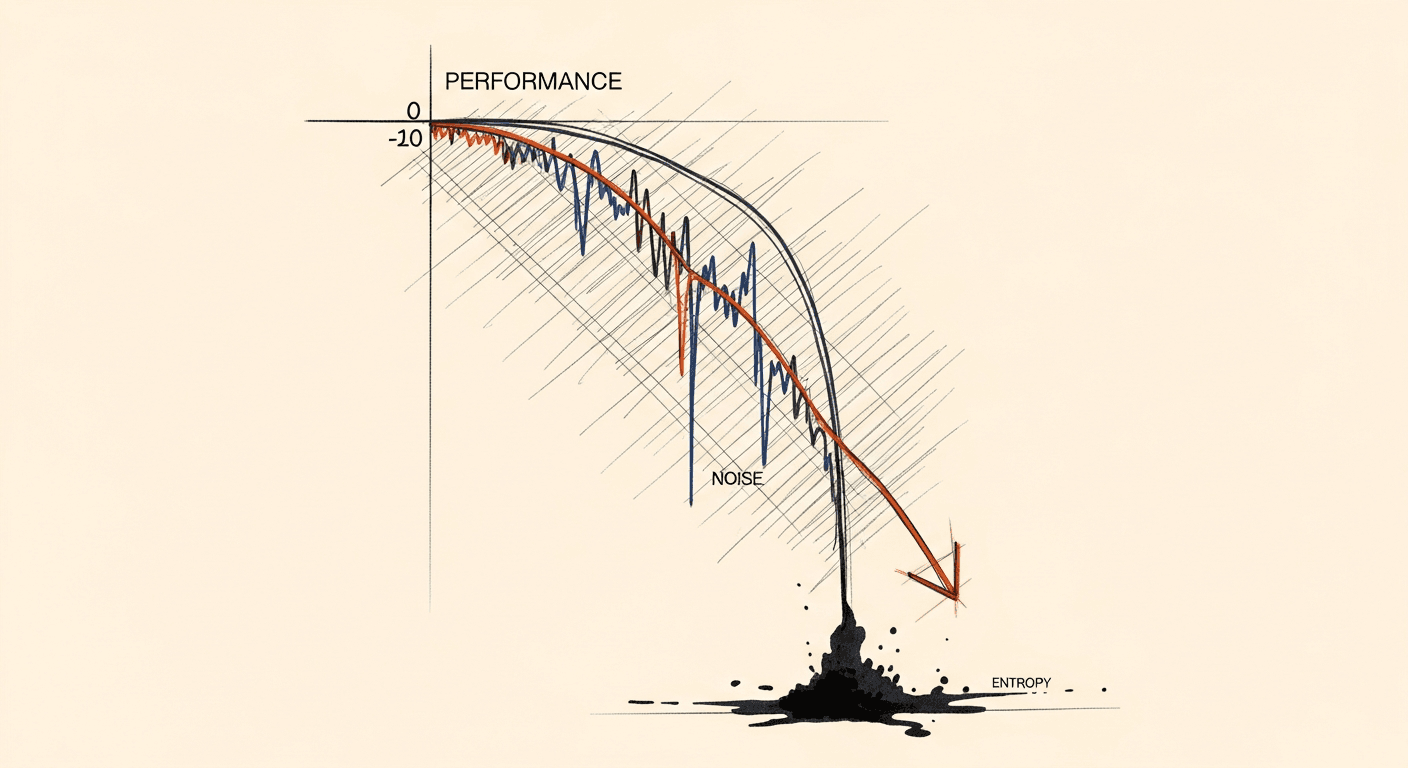
Your LLM system works great in demos and degrades in production. The culprit is almost never the model. It's what you're feeding it. Here's how to diagnose and fix context rot before it kills your product.

EngineeringRead more →
Why Your AI Gets Smarter When You Let It Think Longer

Why Your AI Gets Smarter When You Let It Think Longer

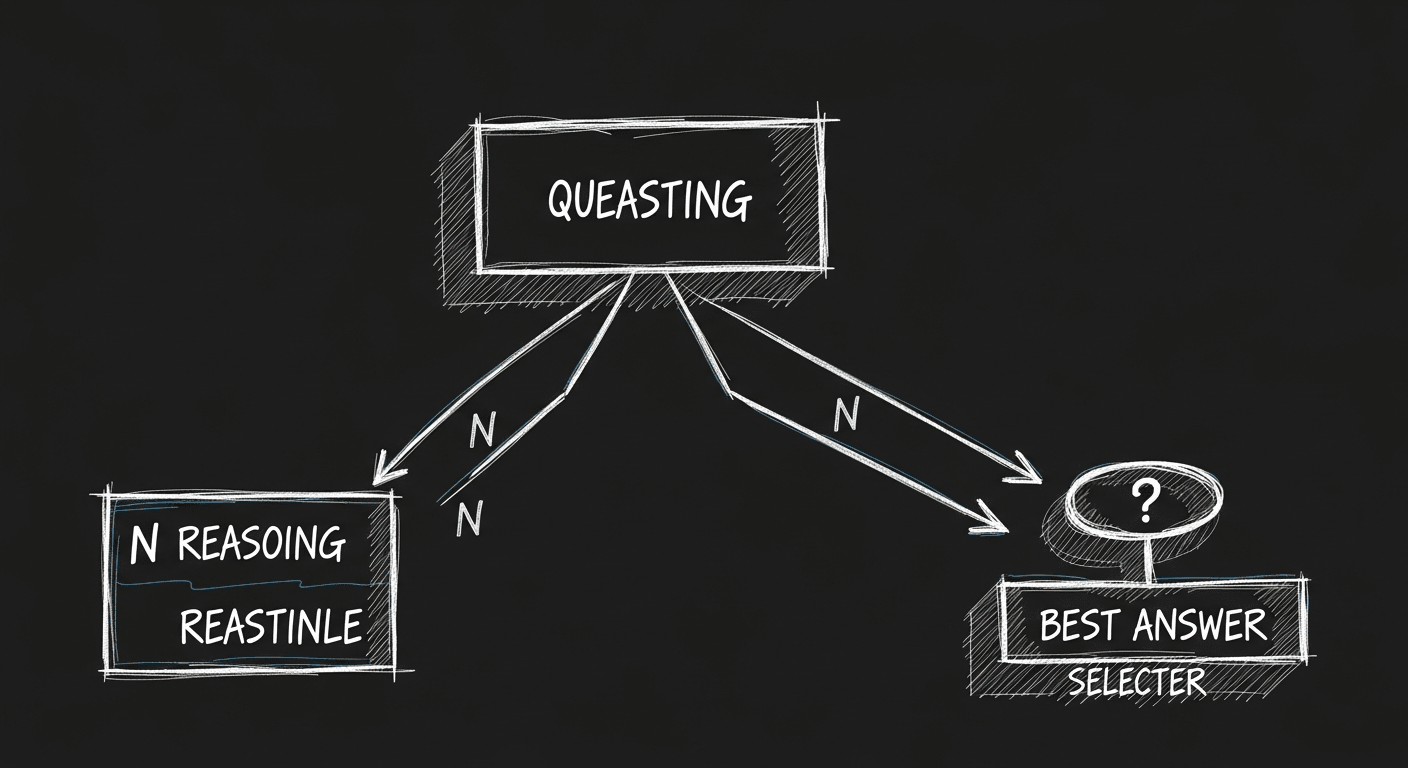
Test-time compute is the most underused lever in production AI right now. Here is what chain-of-thought, best-of-N sampling, and process reward models actually mean for practitioners building real products — and when to use them vs. just grabbing a bigger model.

EngineeringRead more →
The Async-First Engineering Team: What Actually Works (And What Doesn't)

The Async-First Engineering Team: What Actually Works (And What Doesn't)

I went async-first with my remote engineering team. Productivity went up. Culture took a hit. Here's the honest accounting of what changed, what broke, and the specific practices that made it worth it.

ProductRead more →
What the AI Tool Ecosystem Is Actually Telling You

What the AI Tool Ecosystem Is Actually Telling You

After wasting months on AI tools that sounded great and died within a year, I started reading the ecosystem differently. Here is the framework I use now — and why tool selection in healthcare AI is a compliance problem, not just a productivity one.

EngineeringRead more →
What Autonomous Vehicles Taught Me About Multi-Agent AI Design

What Autonomous Vehicles Taught Me About Multi-Agent AI Design

BAIR researchers discovered that just 5% autonomous vehicle penetration can smooth all highway traffic — with no central coordination. That finding quietly reshapes how I think about building multi-agent AI systems.

EngineeringRead more →
Vision + Language: How Multimodal LLMs Actually Work (And When to Use Them)

Vision + Language: How Multimodal LLMs Actually Work (And When to Use Them)

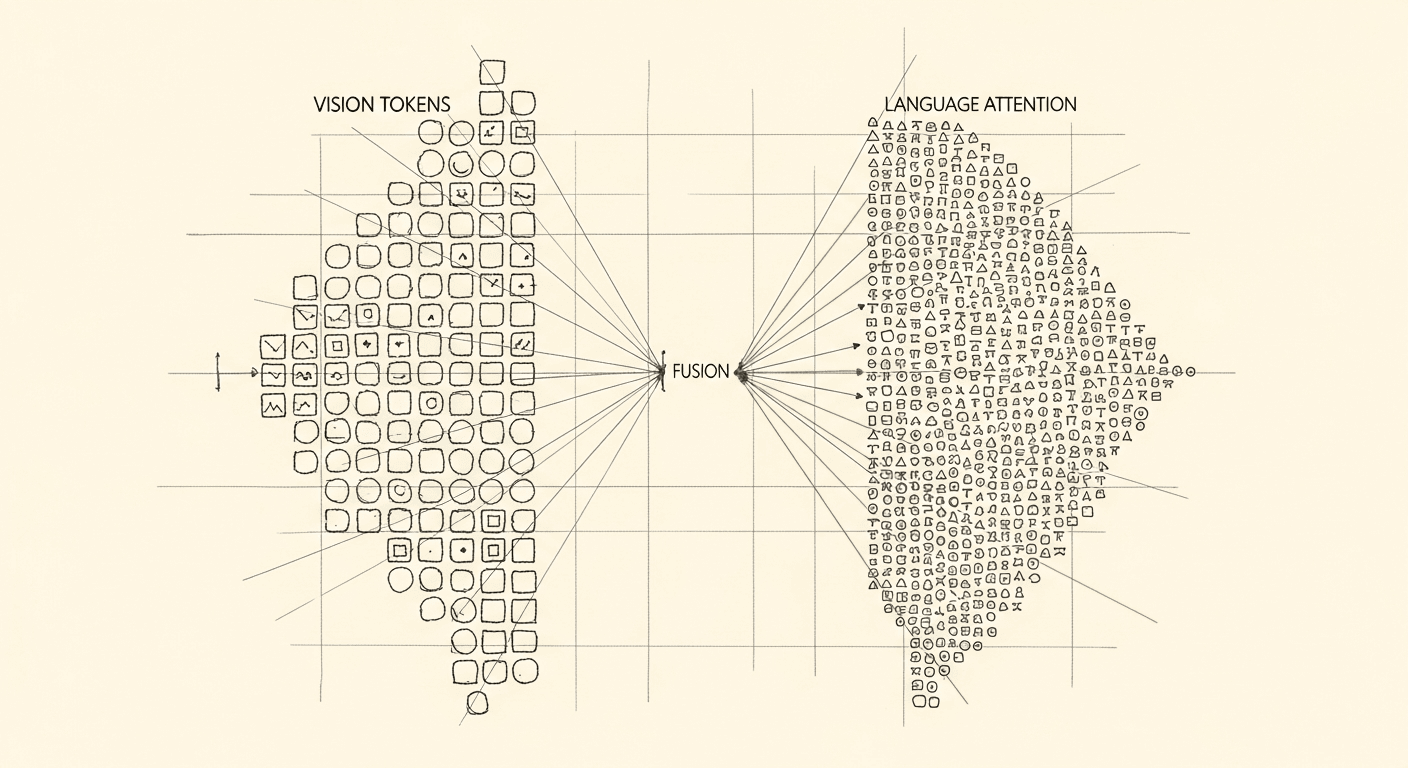
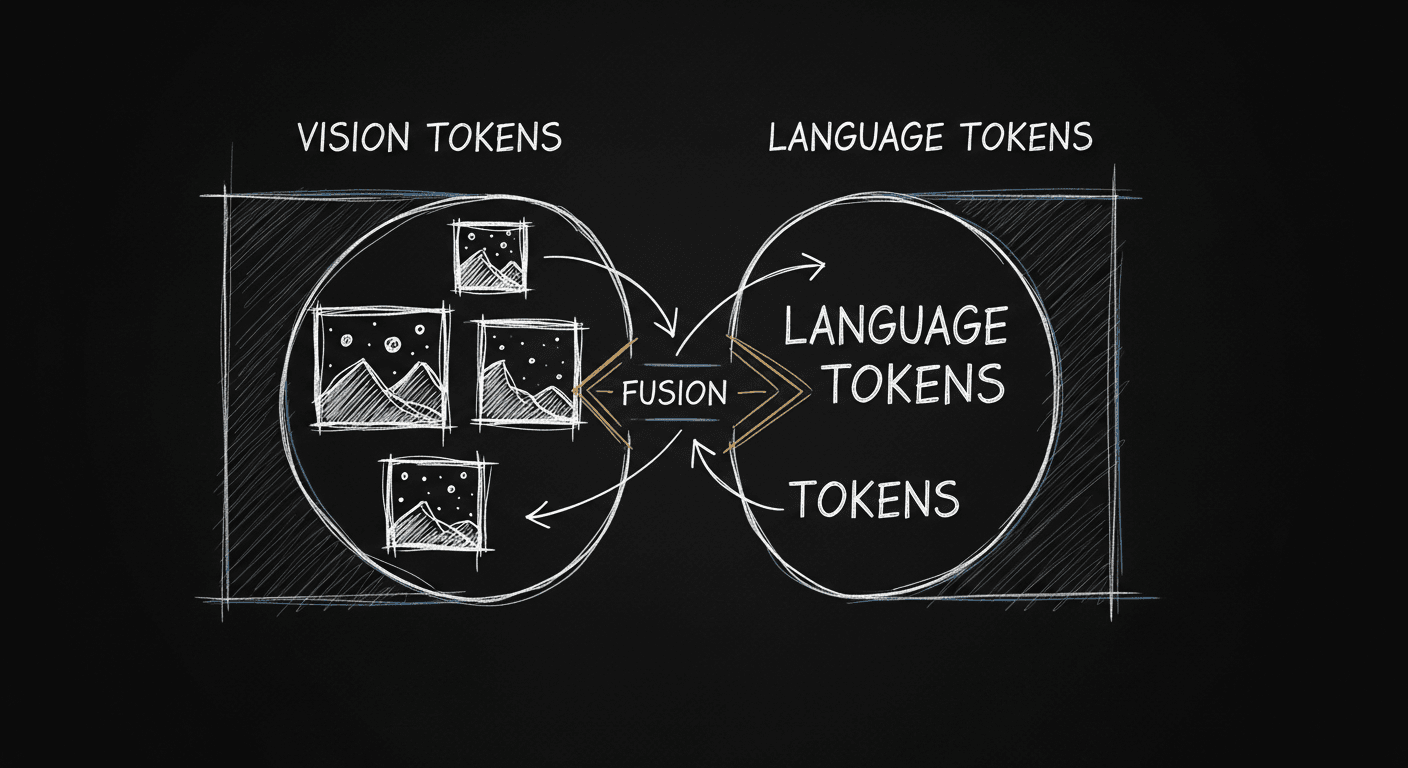
Multimodal LLMs integrate vision through two fundamentally different architectures. Knowing which one you need — and why — is the decision that shapes every other technical choice in your build.

EngineeringRead more →
The Self-Healing Stack: What AI-Native Infrastructure Actually Means

The Self-Healing Stack: What AI-Native Infrastructure Actually Means

The AI Cloud vision — where infrastructure monitors, optimizes, and repairs itself — is compelling. Some of it exists today. Most of it doesn't yet. Here's an honest breakdown of what self-healing infrastructure looks like in practice — and what engineers should actually be doing to prepare.

EngineeringRead more →
·13 min read

FHIR Meets Graph Databases: Exploring Healthcare's Natural Network Structure

How FHIR's interconnected resources transform into powerful graph relationships. Exploring the potential of graph technologies in healthcare AI at Clarity Health Project.

HealthcareRead more →
The Tools I Dropped When AI Changed My Development Workflow

The Tools I Dropped When AI Changed My Development Workflow

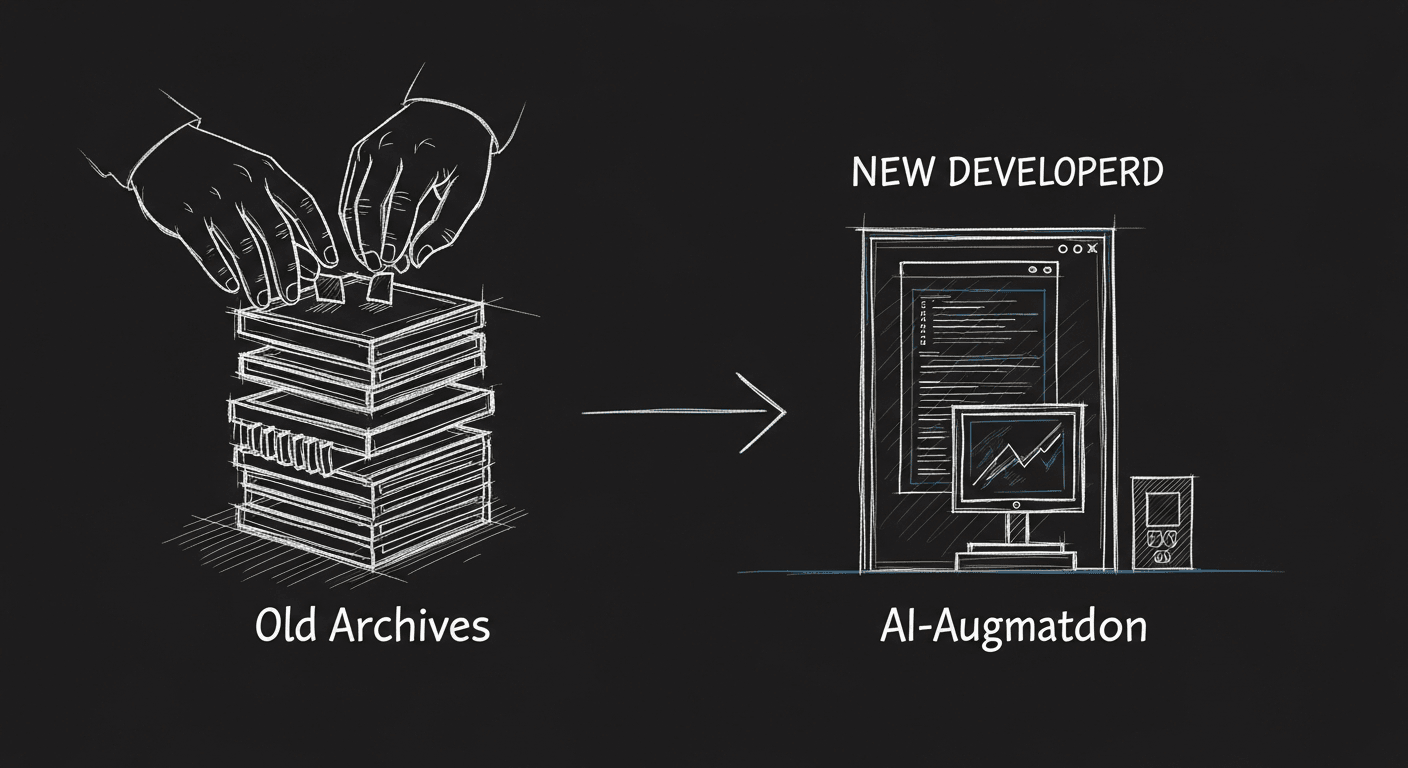
After 12 years of accumulating dev tools, AI coding assistants forced me to rethink every layer of my stack. Here's what I dropped, what I added, and the principle behind the whole thing.

EngineeringRead more →
From GPT-2 to DeepSeek: The Architectural Changes That Actually Mattered

From GPT-2 to DeepSeek: The Architectural Changes That Actually Mattered

I've been reading ML papers for 10 years. Most don't matter. These architectural choices did. RoPE, GQA, SwiGLU — each one solved a real scaling problem. Here's what practitioners need to know when a new model claims 'better architecture.'

EngineeringRead more →
Building a GenAI Platform That Doesn't Collapse Under Its Own Weight

Building a GenAI Platform That Doesn't Collapse Under Its Own Weight

Most GenAI platforms fail not because the models are bad, but because teams build everything at once. A practitioner's guide to layered GenAI architecture — from the minimal production-ready core to healthcare-grade guardrails and beyond.

EngineeringRead more →
Every Failed AI Product Has the Same Root Cause

Every Failed AI Product Has the Same Root Cause

After 12 years in ML and AI, I keep seeing the same failure pattern: teams that ship fast and iterate on vibes instead of building systematic evaluation systems. Evals are not a nice-to-have — they are the core competency of any serious AI product team.

ProductRead more →
The 6 Ways I've Watched GenAI Projects Fail (And How to Avoid Them)

The 6 Ways I've Watched GenAI Projects Fail (And How to Avoid Them)

After 12 years in ML and two years watching GenAI projects go sideways in healthcare — sometimes with real patient consequences — here are the six failure modes I see over and over again, and what to do instead.

ProductRead more →
When to Look Beyond Standard LLMs (And When to Stop Overthinking It)

When to Look Beyond Standard LLMs (And When to Stop Overthinking It)

Most teams should use a frontier API and move on. But there are specific situations — extreme latency, long-context scale, cost walls, privacy constraints — where alternative architectures actually matter. Here's the decision framework I use.

EngineeringRead more →
When Recommendations Meet Language: The LLM-RecSys Convergence

When Recommendations Meet Language: The LLM-RecSys Convergence

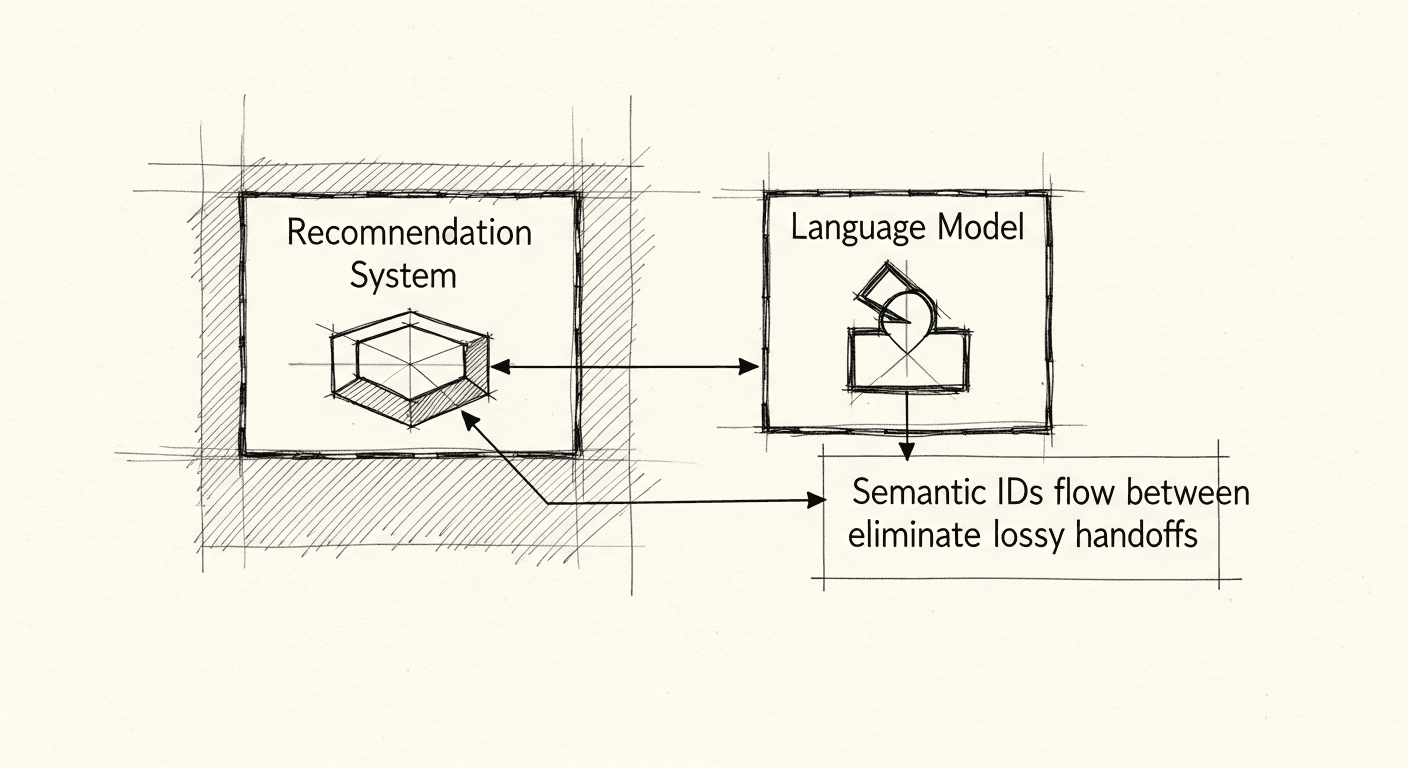
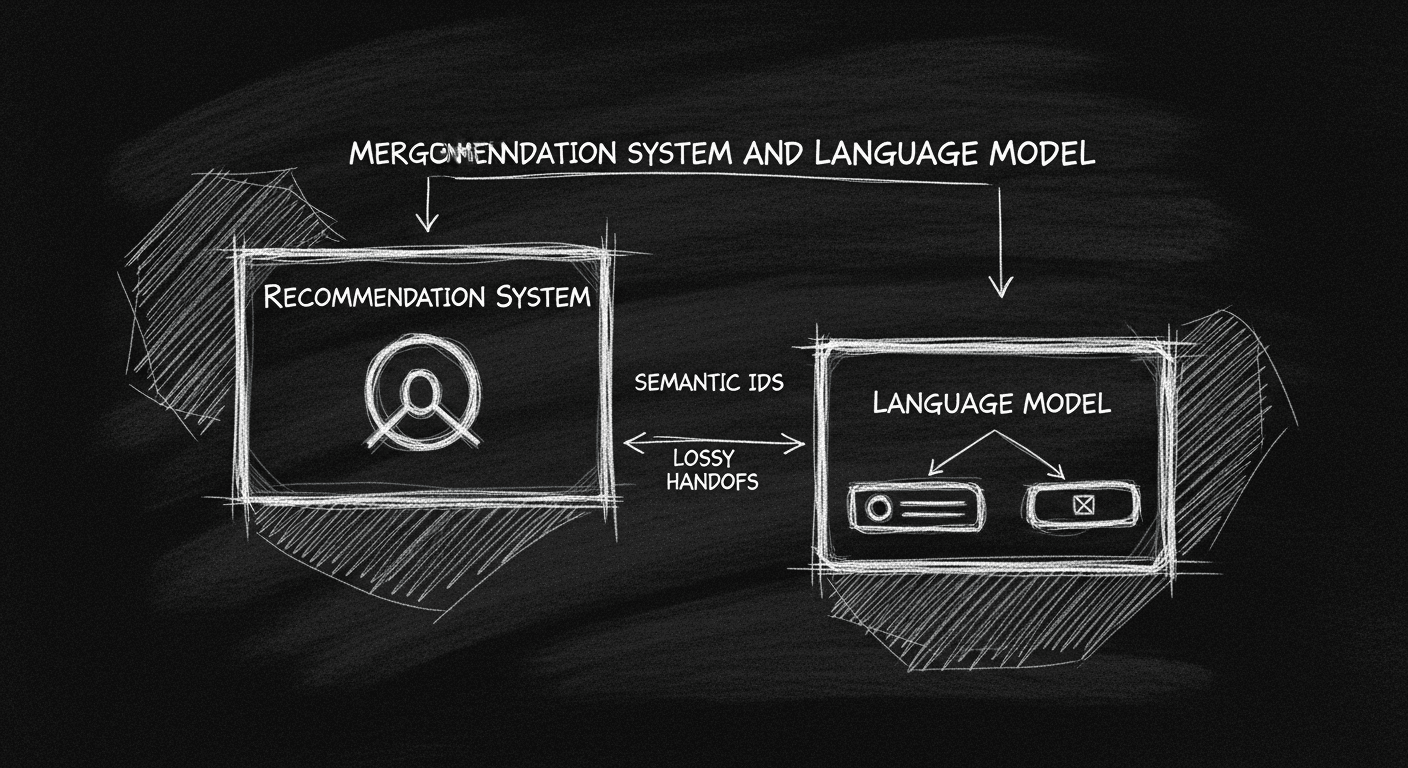
Most AI stacks treat the recommendation engine and the language model as two separate systems that hand off to each other. A new class of hybrid models eliminates that seam — and the implications for domain-specific AI are significant.

EngineeringRead more →
Trading Speed for Quality: A Practical Guide to Inference-Time Scaling

Trading Speed for Quality: A Practical Guide to Inference-Time Scaling

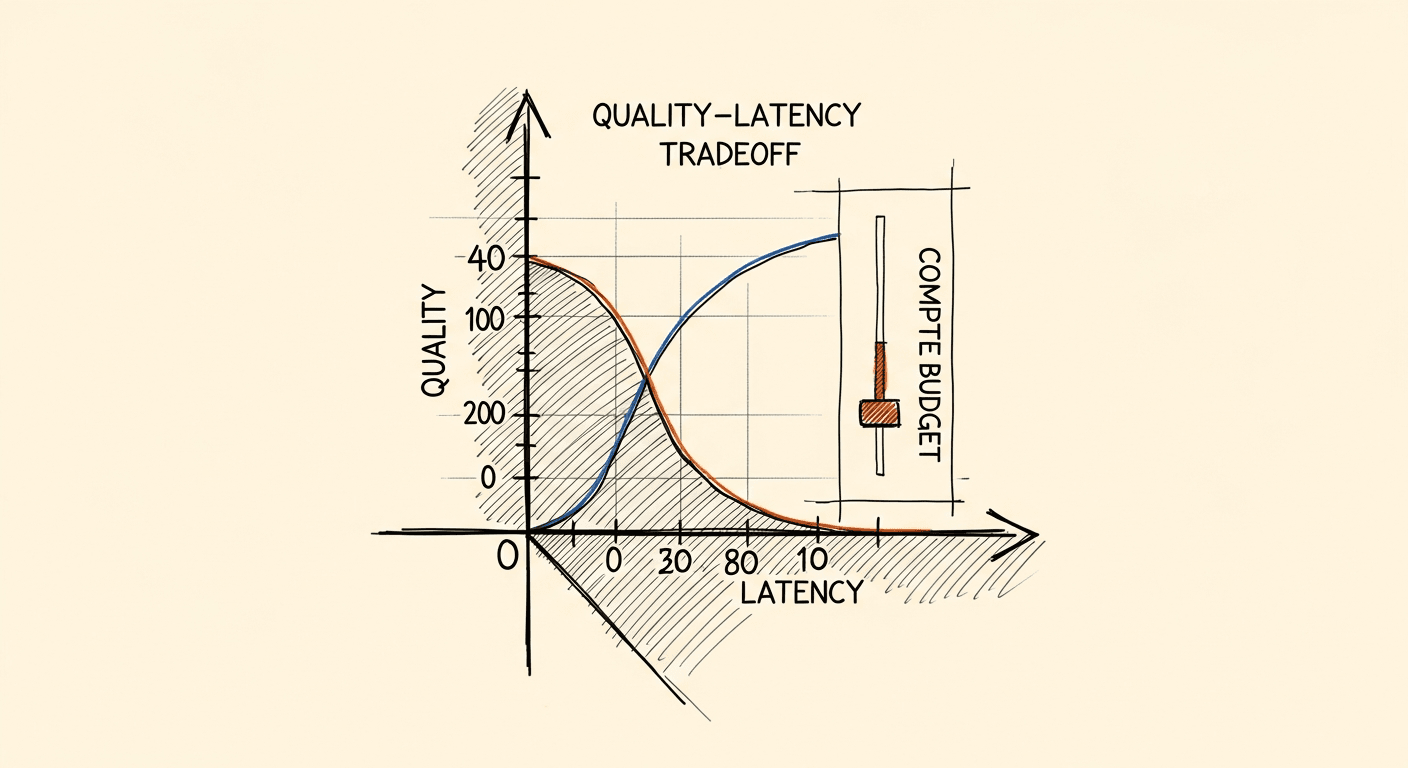
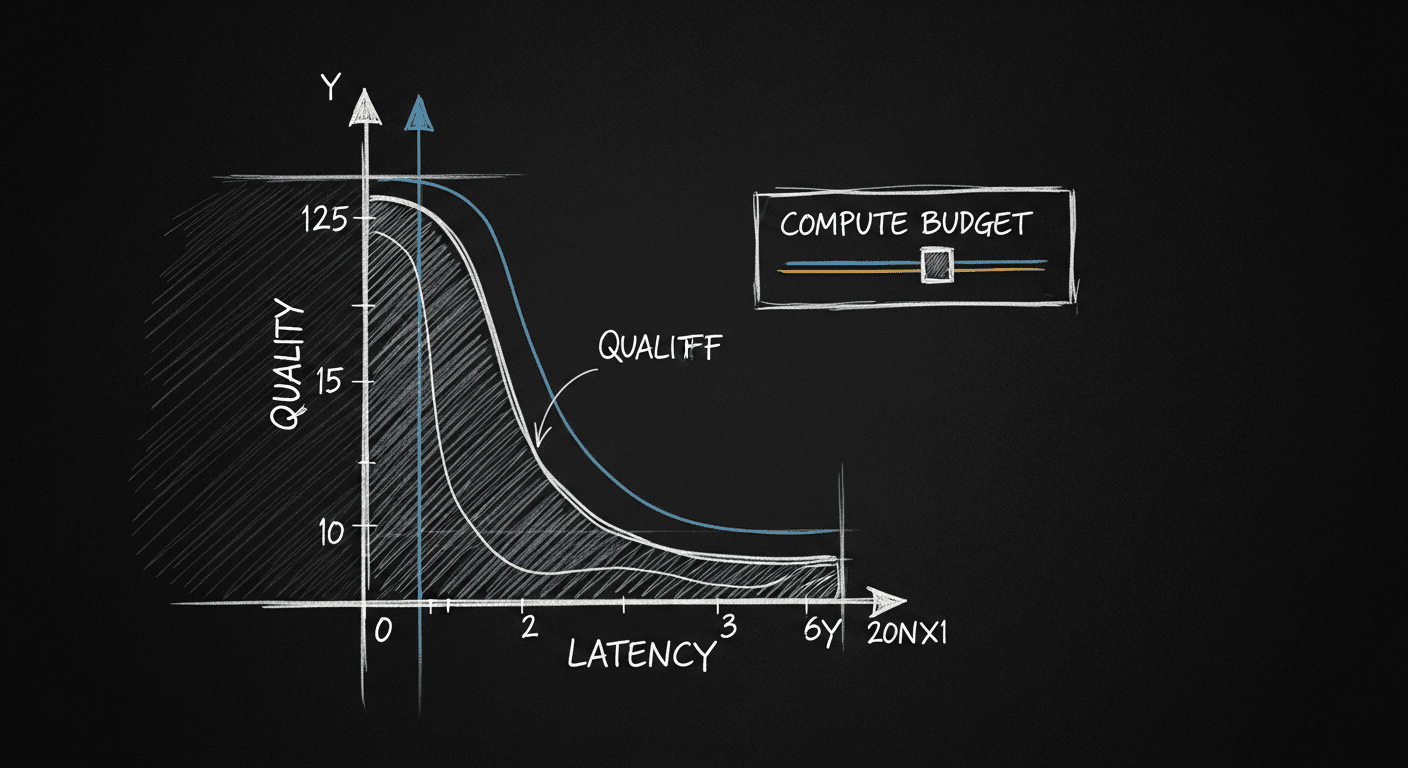
Inference-time scaling lets you tune the latency-quality tradeoff at runtime rather than at training time. Here is a practical framework for deciding when to use Best-of-N sampling, beam search, iterative refinement, or one-shot generation — with real examples from clinical AI.

EngineeringRead more →
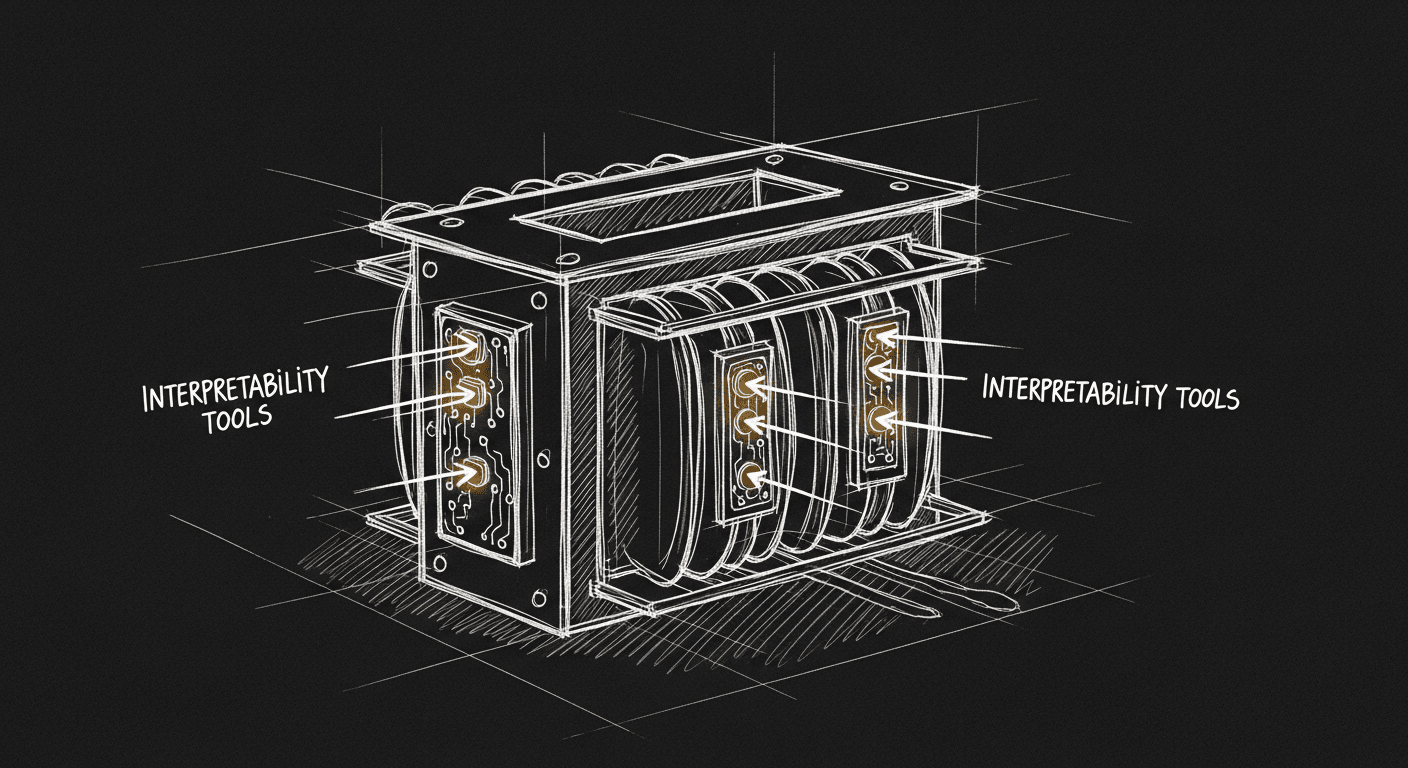
Inside the Black Box: What Mechanistic Interpretability Means for Builders

Inside the Black Box: What Mechanistic Interpretability Means for Builders

Healthcare AI requires explainability — "the model said so" is not a clinical rationale. Mechanistic interpretability is the research field trying to change that. Here is what it actually offers practitioners today, what the gap still is, and what you can do in the meantime.

EngineeringRead more →
How to Actually Test If Your AI Will Say Something Dangerous

How to Actually Test If Your AI Will Say Something Dangerous

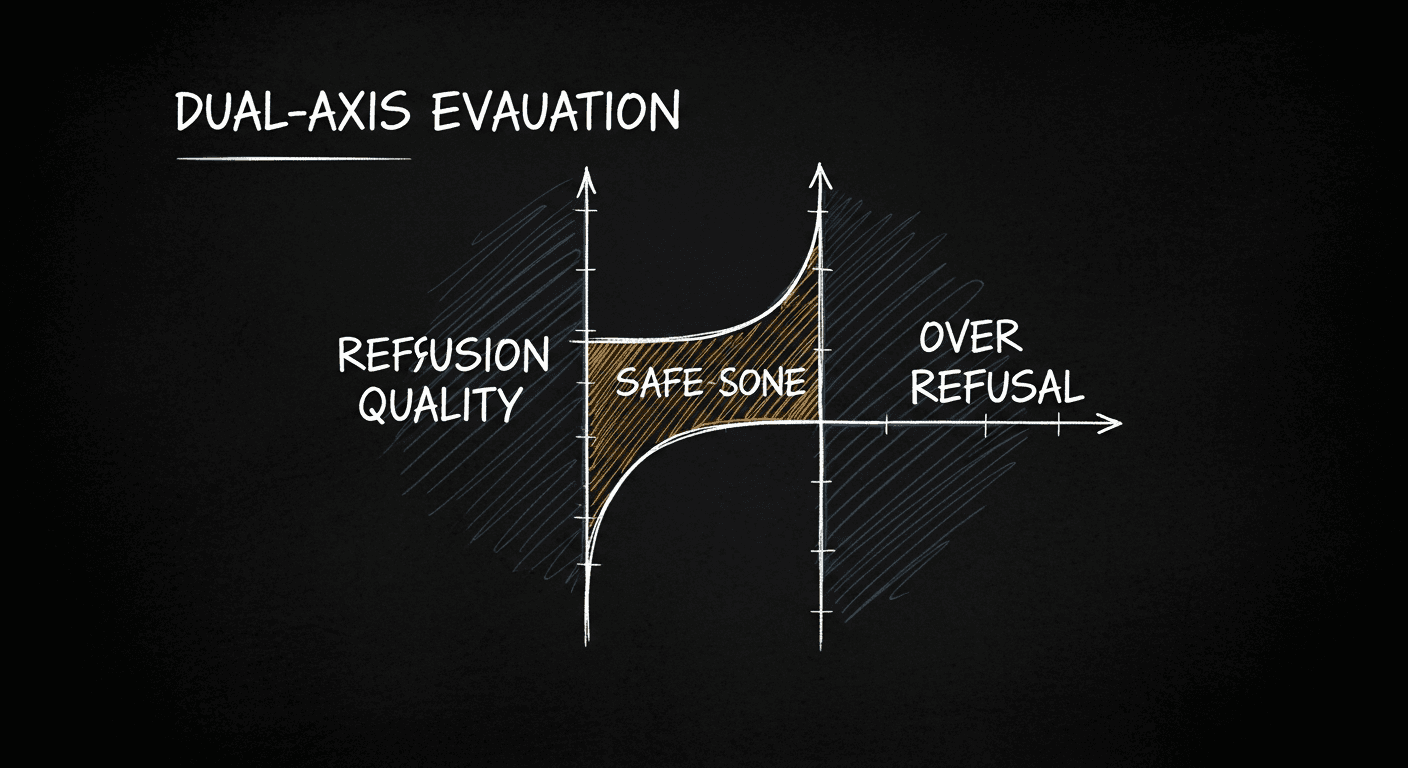
Most teams treat jailbreak testing as a vibe check. StrongREJECT achieves 0.90 Spearman correlation with human judgment — which means automated safety evaluation is real, and there is no good excuse not to build it into your pipeline.

EngineeringRead more →
The Attack Your LLM App Is Definitely Vulnerable To

The Attack Your LLM App Is Definitely Vulnerable To

Prompt injection is the #1 OWASP threat to LLM applications — and most teams are not taking it seriously. Here is what the attack looks like, why it is so hard to stop, and how to actually harden your system.

EngineeringRead more →
The Honest Guide to LLM Evals: What Actually Works

The Honest Guide to LLM Evals: What Actually Works

Most teams skip real evals and wonder why their AI products degrade in production. Here is the framework that actually holds up — from 30-minute manual reviews to binary scoring to knowing when your eval suite is finally doing its job.

EngineeringRead more →
Why Your LLM Evaluator Is Lying to You

Why Your LLM Evaluator Is Lying to You

LLM-as-judge evaluators feel like quality assurance but behave like rubber stamps. They fail hardest on the outputs that matter most — edge cases, safety-critical errors, domain-specific nuance. Here is what to do instead.

EngineeringRead more →
Why I Stopped Using RAG for Coding Agents (And What I Do Instead)

Why I Stopped Using RAG for Coding Agents (And What I Do Instead)

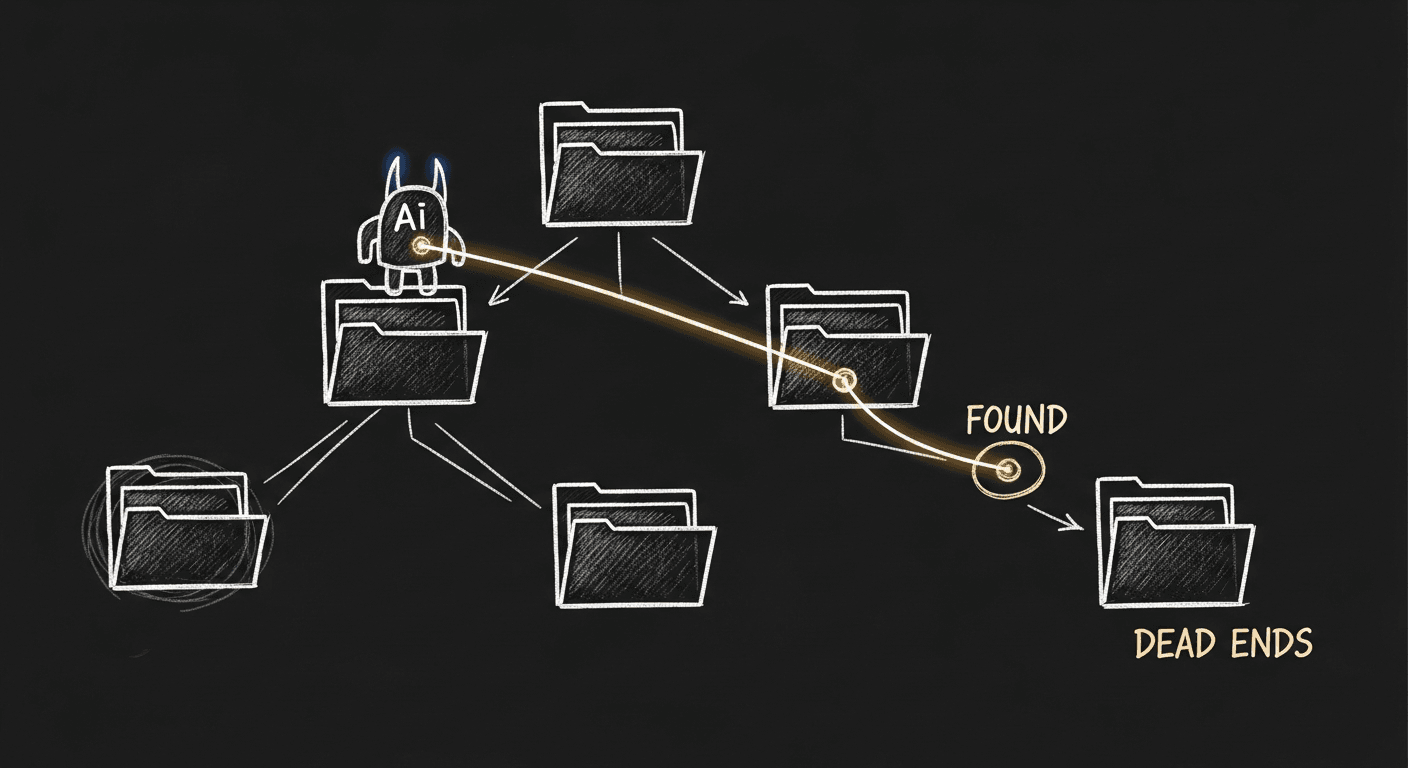
The instinct when building a coding agent is "I need RAG to handle large codebases." The better instinct is giving the agent tools to explore code the way a senior engineer would — reading files, following imports, tracing execution.

EngineeringRead more →
The Neural Net Training Recipe That Actually Works

The Neural Net Training Recipe That Actually Works

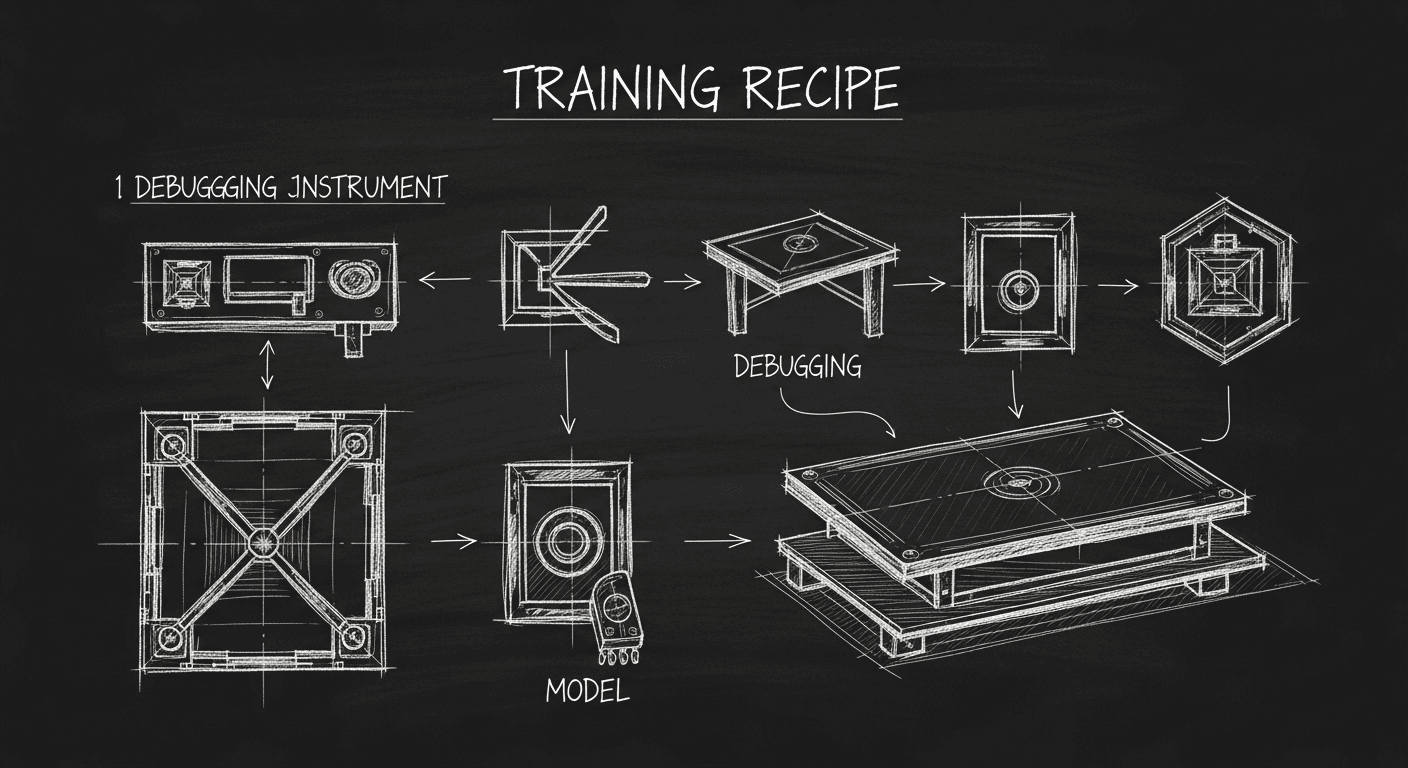
I spent months chasing architecture fixes when my real problem was bad debugging hygiene. The training recipe that works — start simple, visualize everything, tune last — is the unglamorous discipline that separates working models from expensive experiments.

EngineeringRead more →
You Don't Need GPT-4 for That: Small Models and Edge Agents

You Don't Need GPT-4 for That: Small Models and Edge Agents

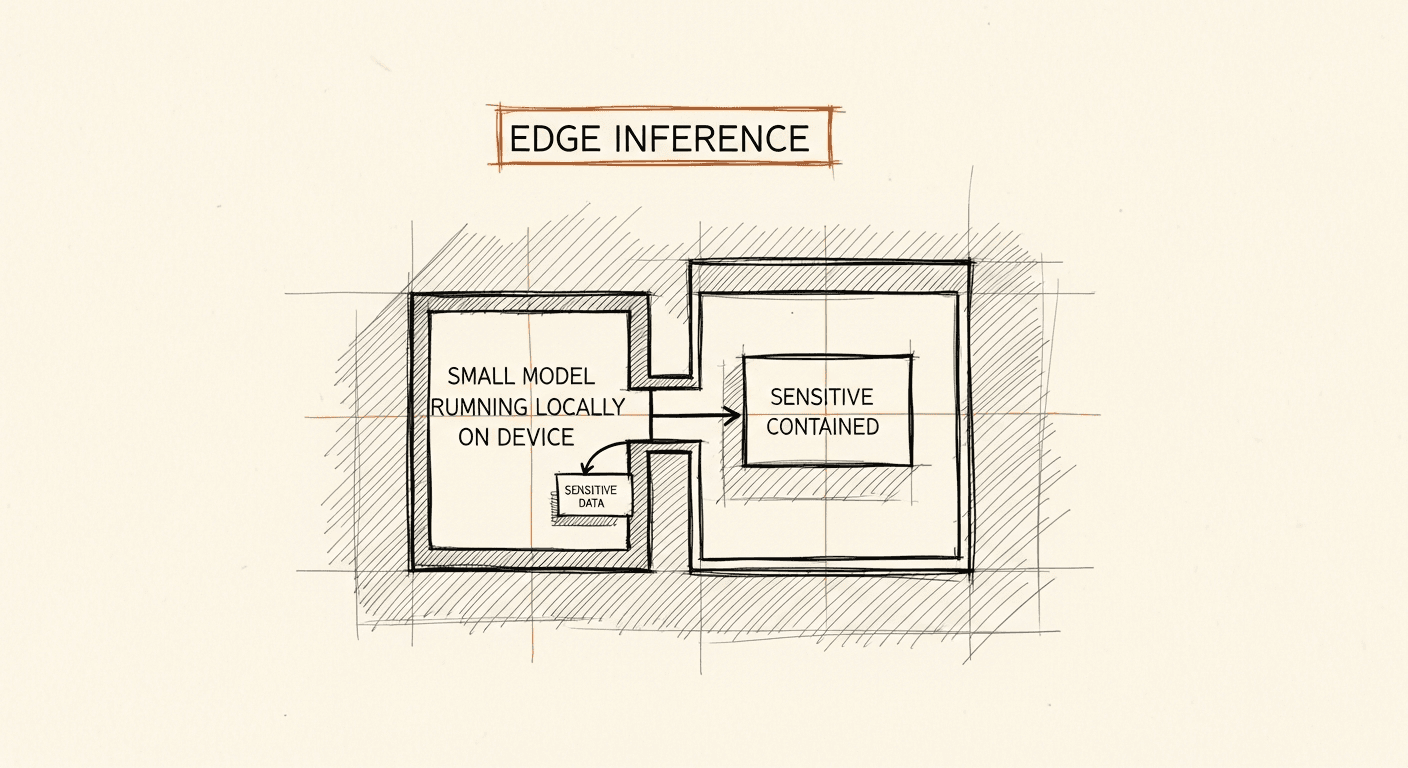
The assumption that frontier models are required for agentic function calling is wrong — and for healthcare AI, it can also be a compliance liability. Here's when a fine-tuned 7B model is the right architecture, and when it isn't.

EngineeringRead more →
Multi-Agent Orchestration in Practice: What I Learned Building Parallel Agent Systems

Multi-Agent Orchestration in Practice: What I Learned Building Parallel Agent Systems

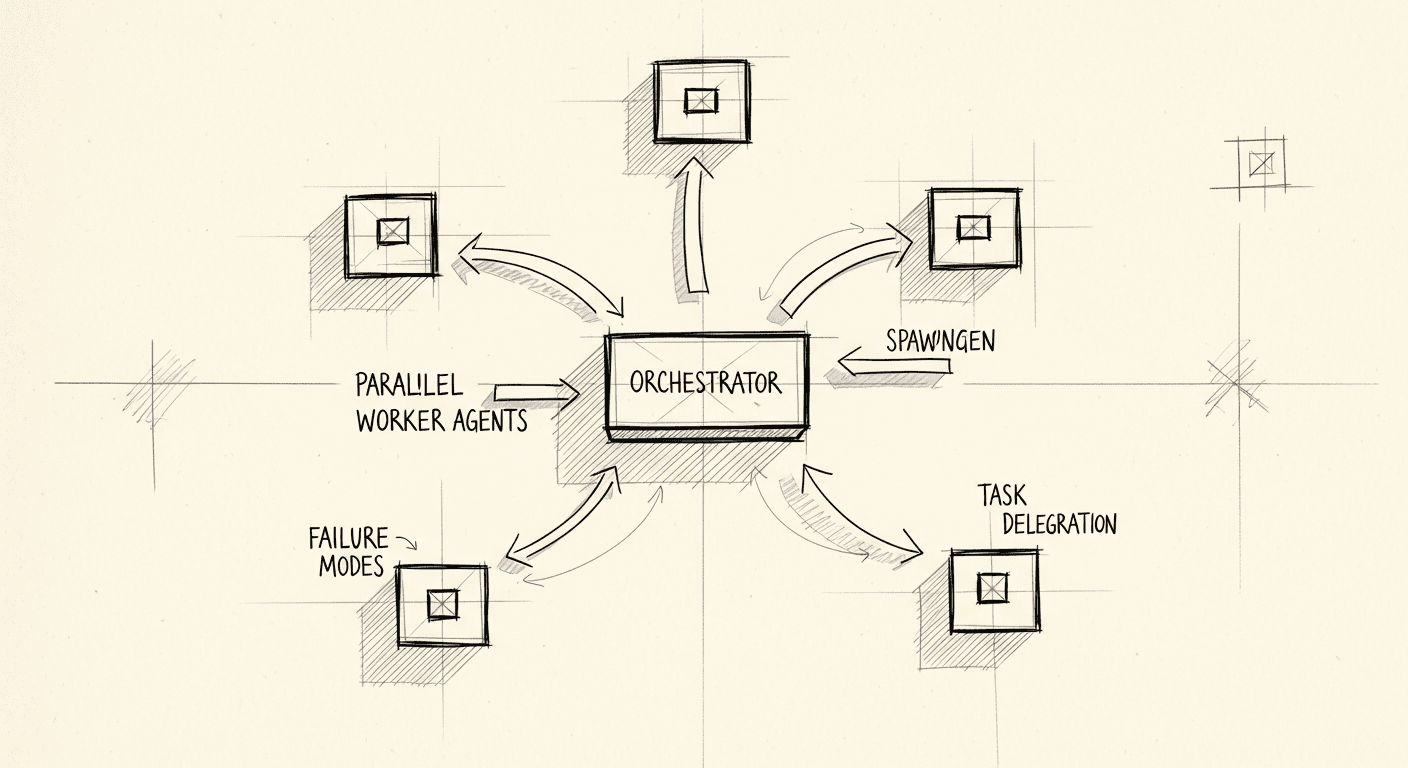
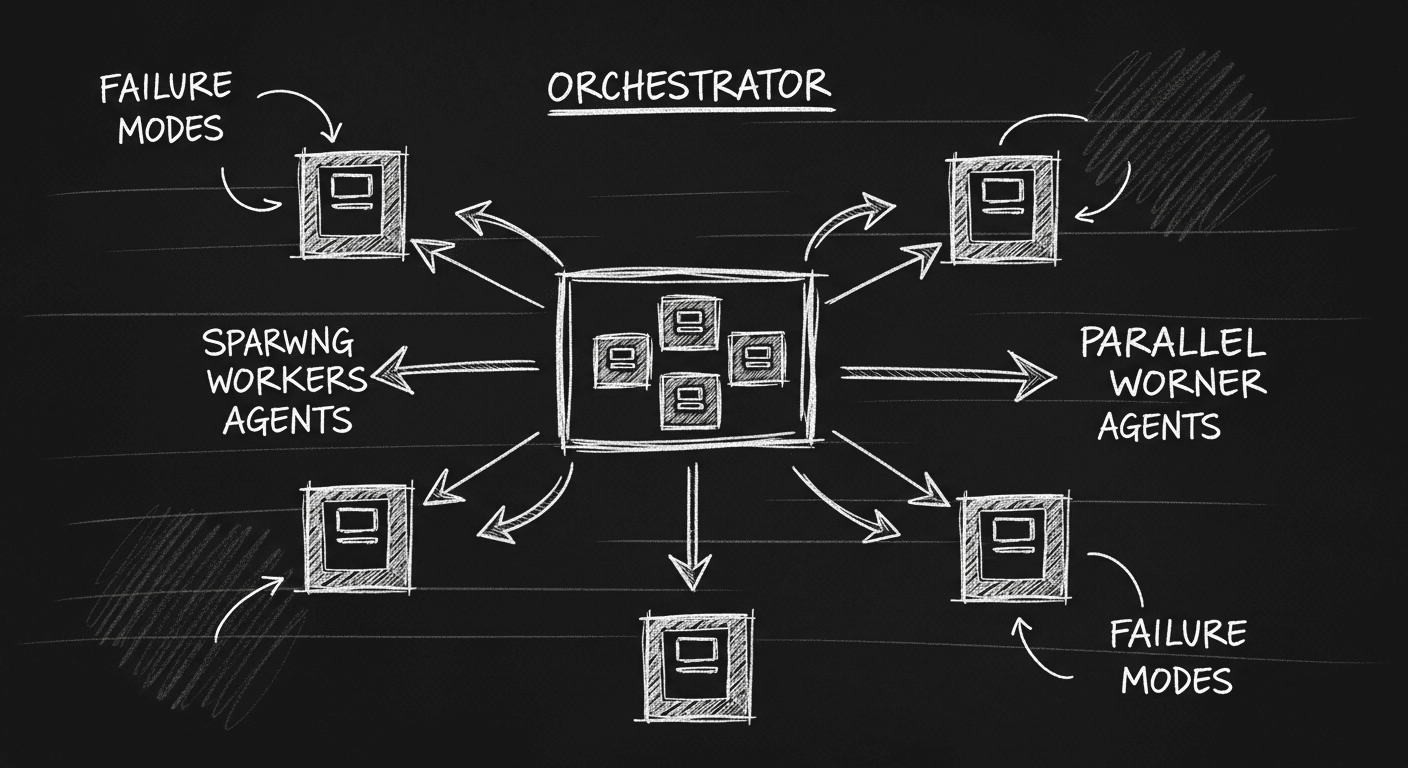
The orchestrator/worker pattern is the key mental model for multi-agent systems. Here is how to structure orchestrators, spawn and manage workers, aggregate results, and avoid the coordination failures that will sink you.

EngineeringRead more →
What It Actually Takes to Build a Real LLM Agent

What It Actually Takes to Build a Real LLM Agent

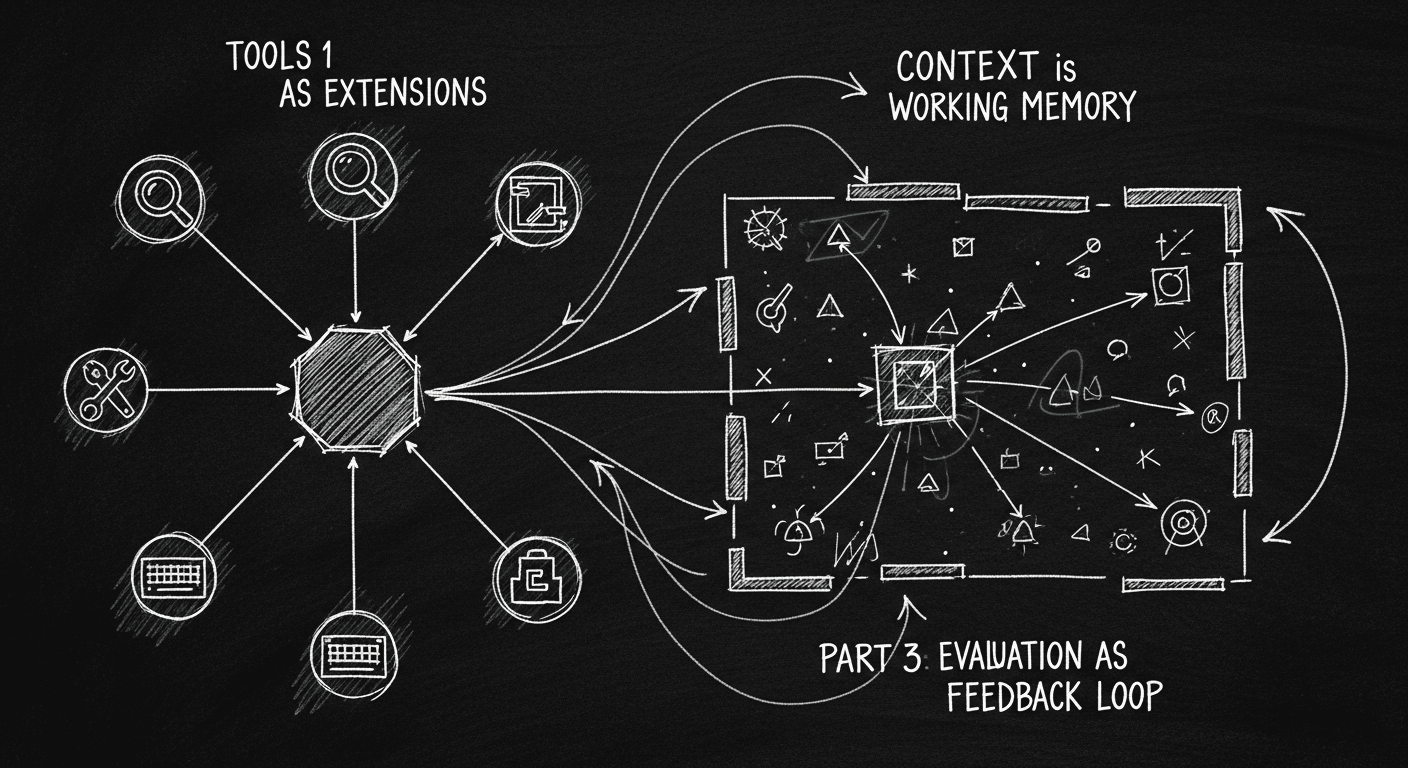
Everyone's talking about agents. Few people have actually built one that works in production. Here's what the architecture papers skip: the failure modes, the memory tradeoffs, the tool design decisions that actually matter.

ReactRead more →
Three Hard Truths About LLMs in Production Nobody Warned Me About

Three Hard Truths About LLMs in Production Nobody Warned Me About

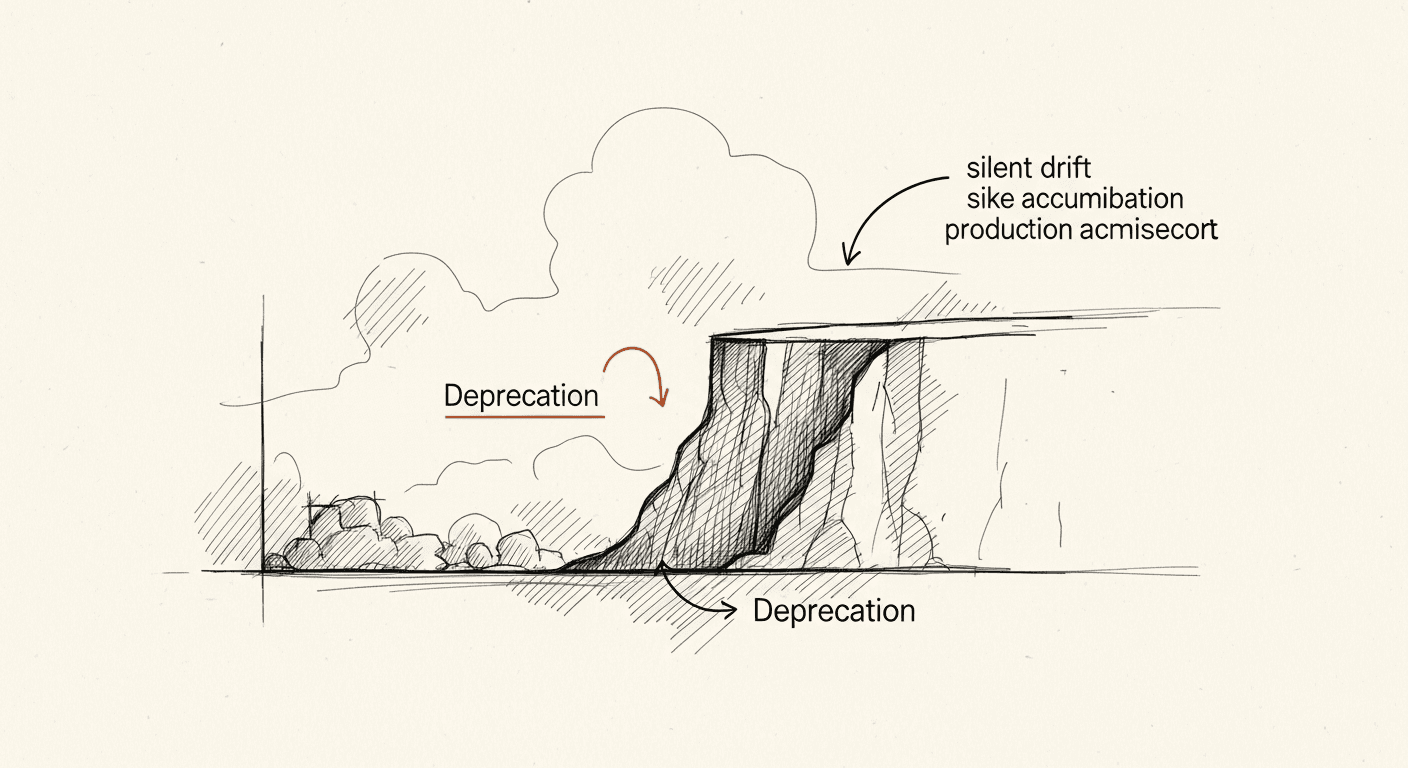
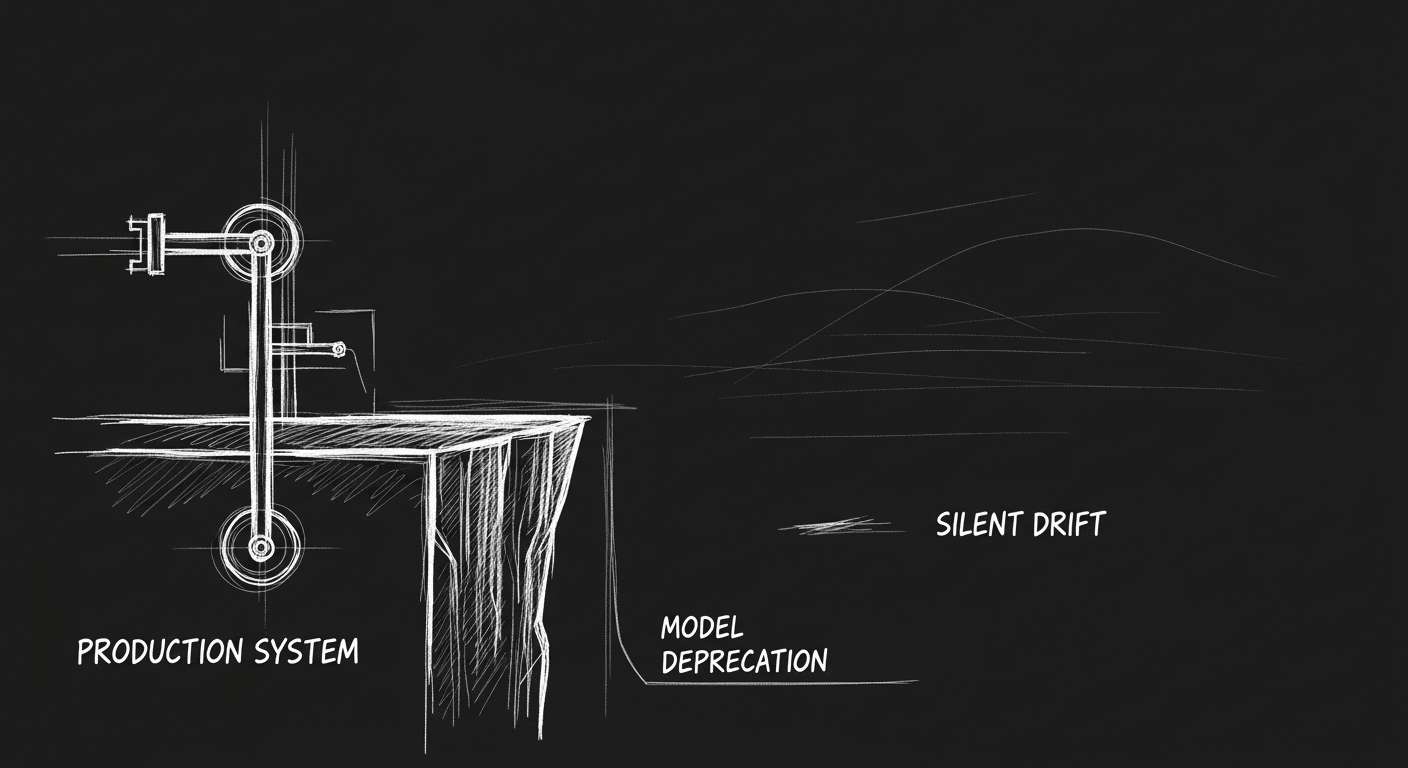
Twelve years in ML and I still got burned. Stochasticity is a systems design problem. Your target model will be deprecated. Silent failures are worse than loud ones. Here is what production healthcare AI actually taught me.

ProductRead more →
What AI Agents Actually Are (And What They Can't Do Yet)

What AI Agents Actually Are (And What They Can't Do Yet)

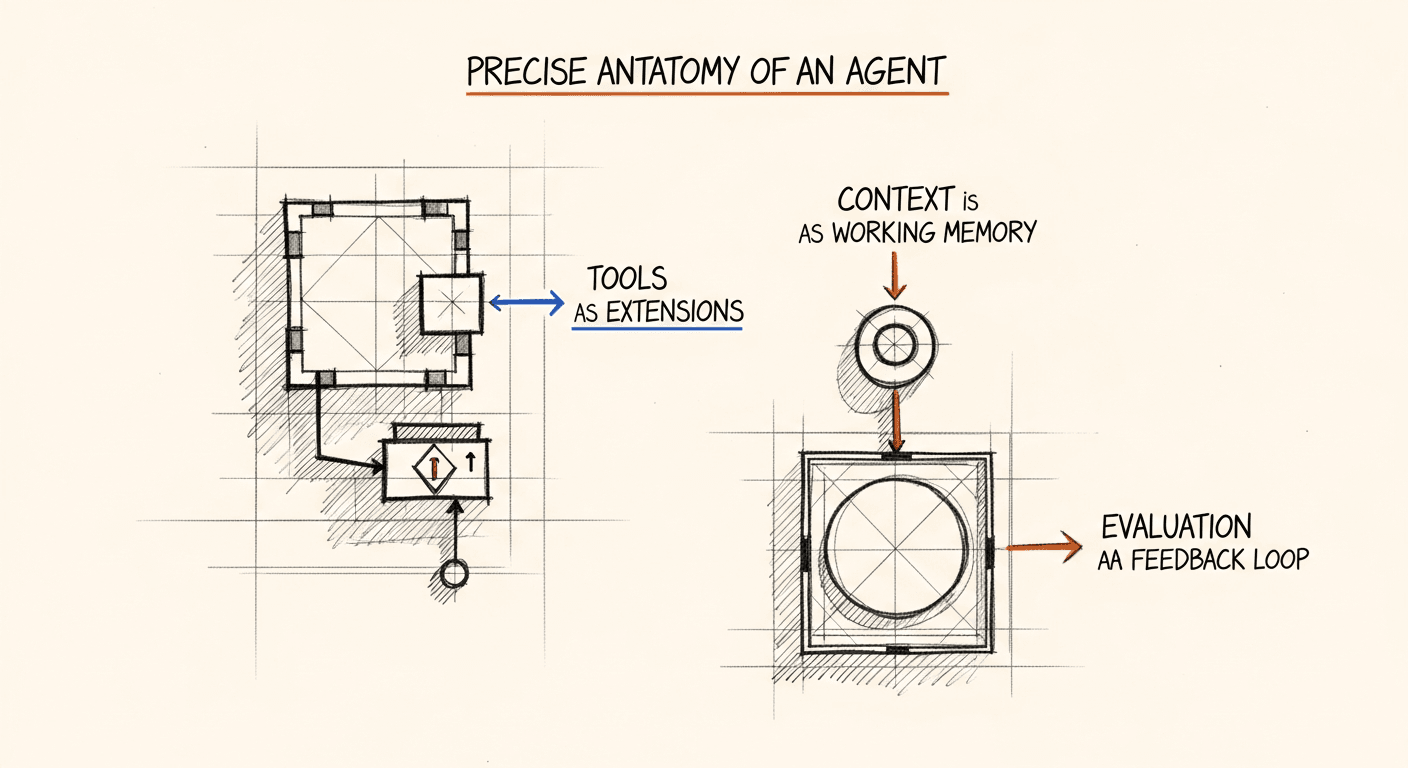
Everyone is building 'agents.' Most are just APIs with a system prompt. Here's the precise definition, what the components that actually matter are, the failure modes I've hit, and how to pick the right pattern for your problem.

EngineeringRead more →
CDS Hooks: What Nobody Tells You Before You Build
5 min read

CDS Hooks: What Nobody Tells You Before You Build

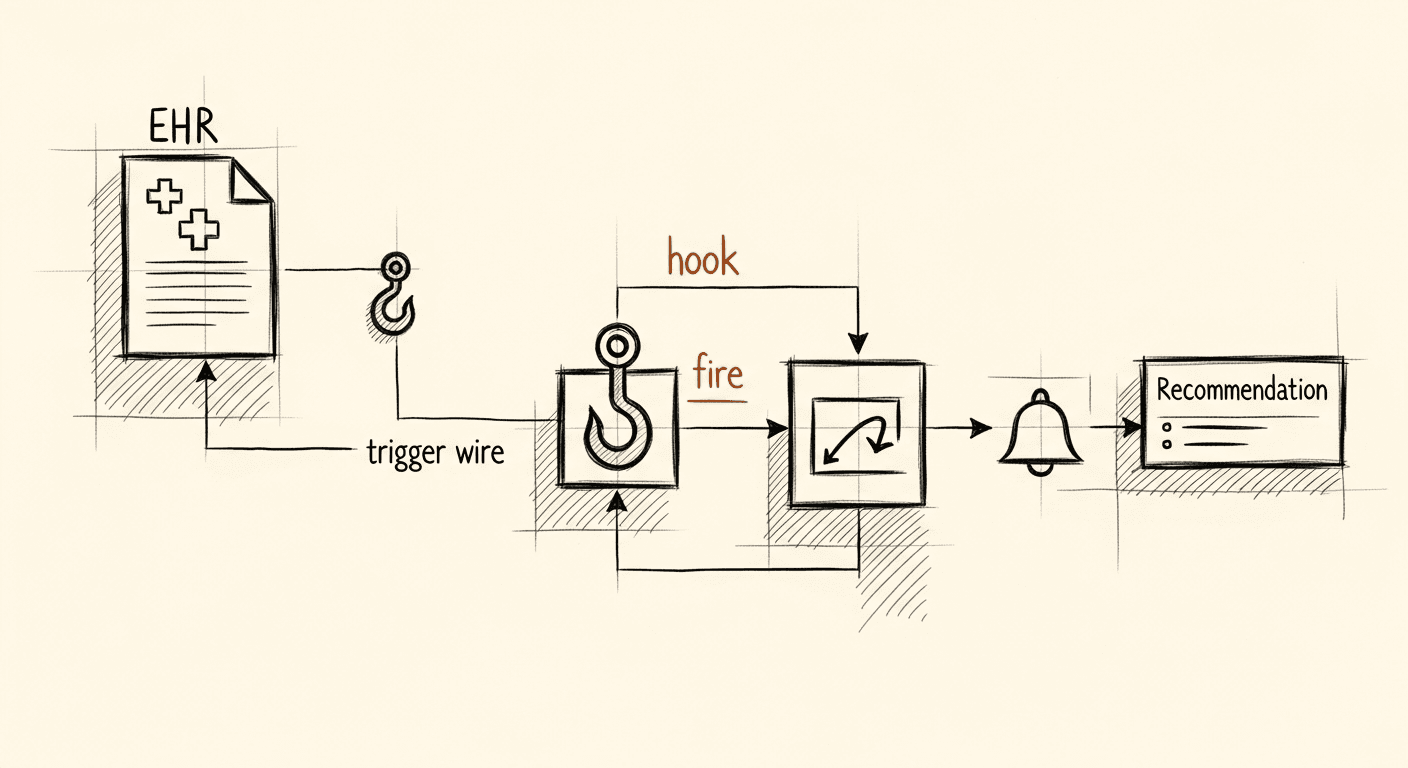
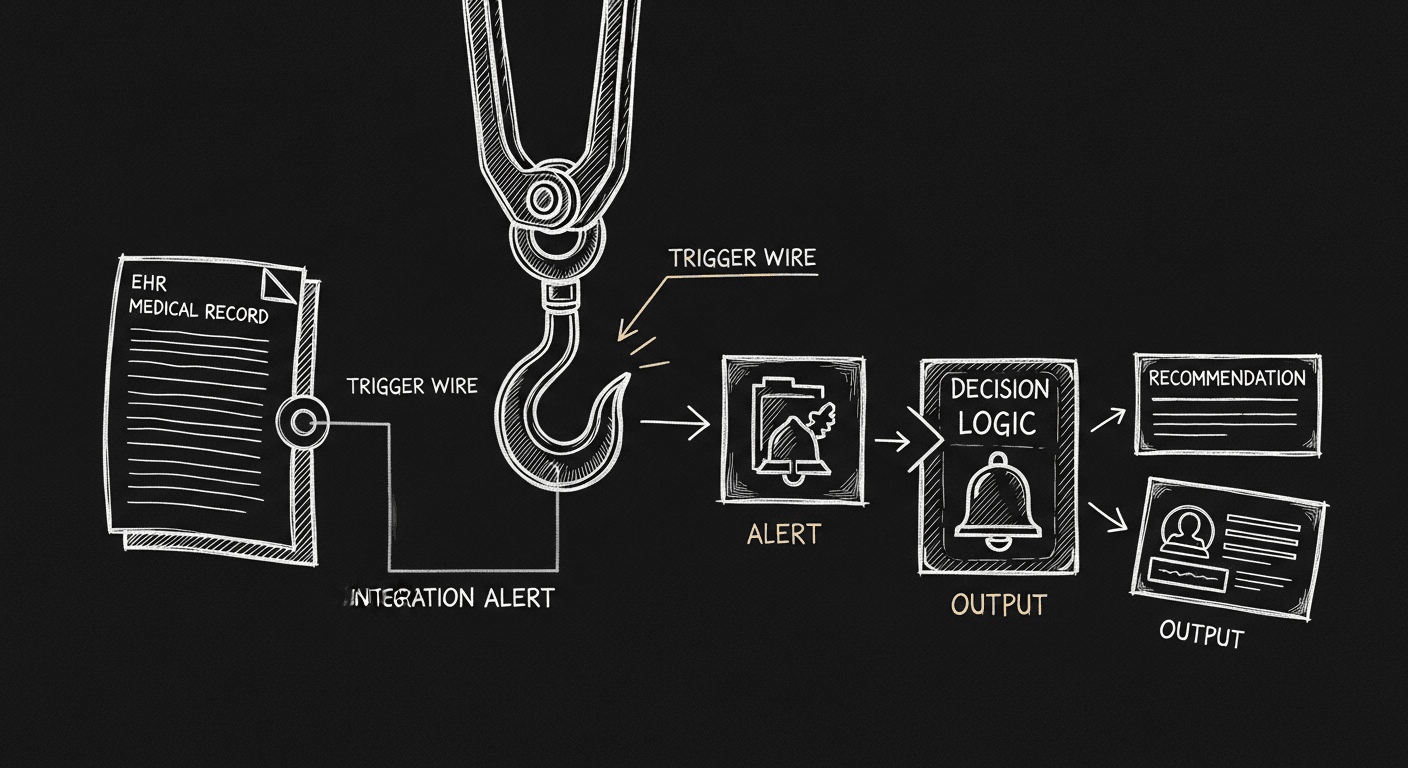
I spent months building a CDS Hooks integration that actually worked. Here's what the documentation doesn't mention.

HealthcareRead more →
The Food Truck Method: Building MVPs That Don't Suck
·6 min read

The Food Truck Method: Building MVPs That Don't Suck

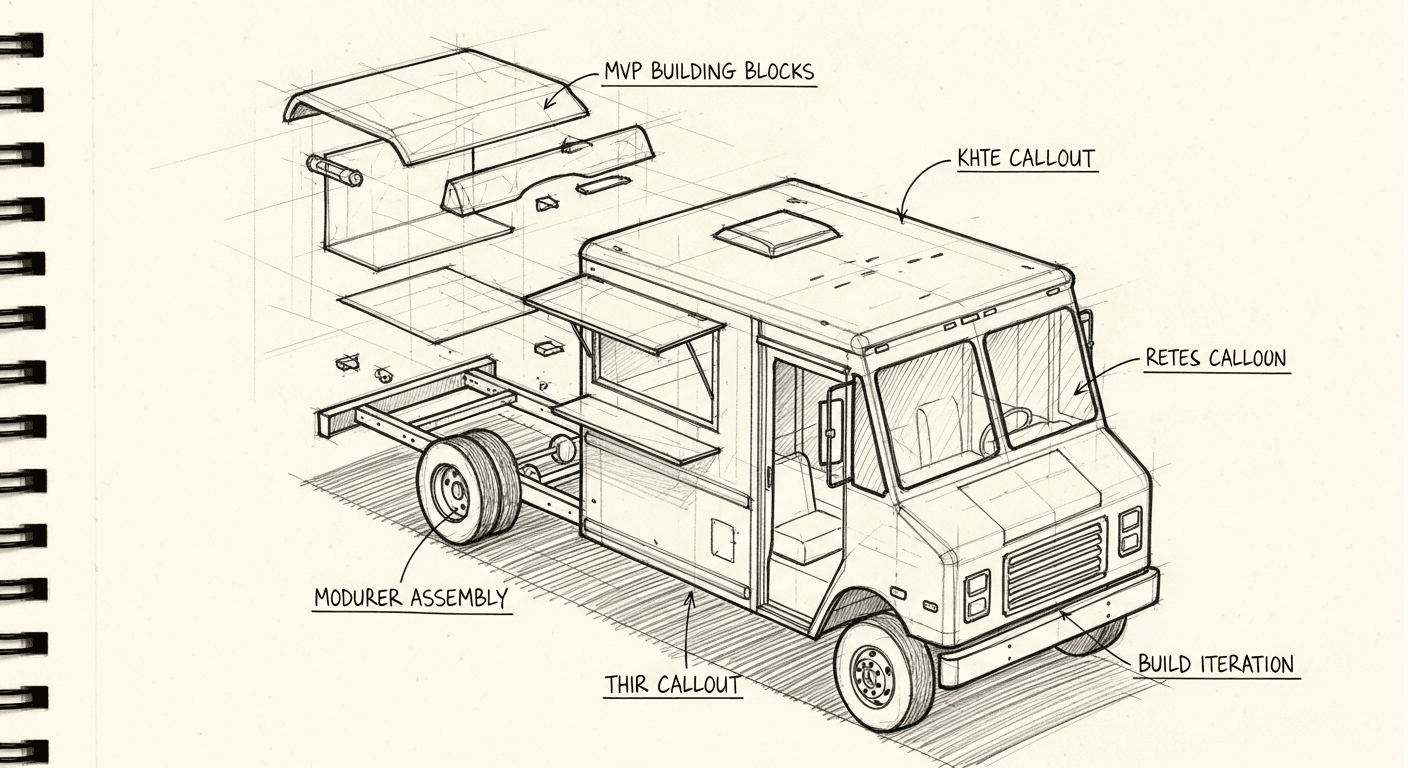
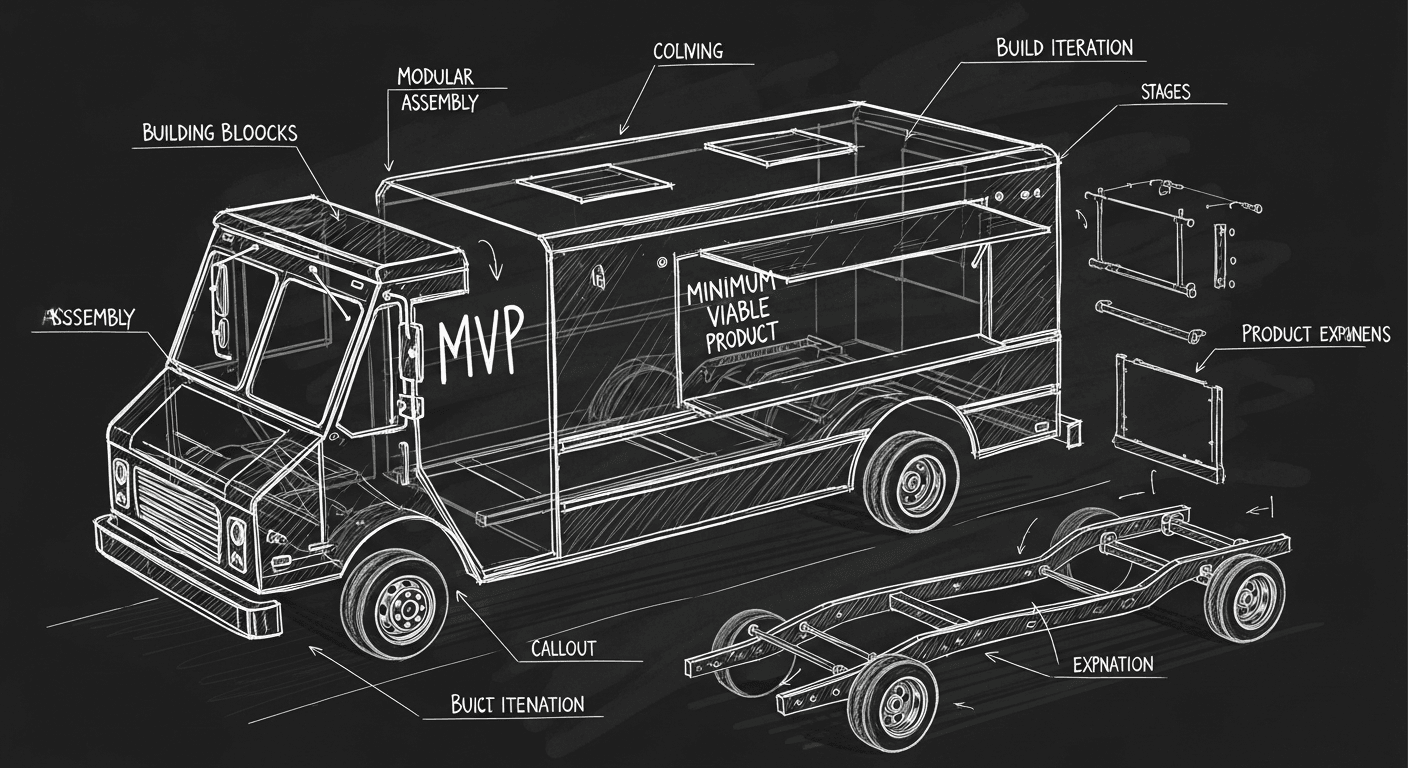
After building dozens of MVPs, I finally figured out why most turn into dumpster fires. Here's my framework for building fast without the regret.

ProductRead more →
HIPAA Consent: What Engineers Actually Need to Know
·10 min read

HIPAA Consent: What Engineers Actually Need to Know

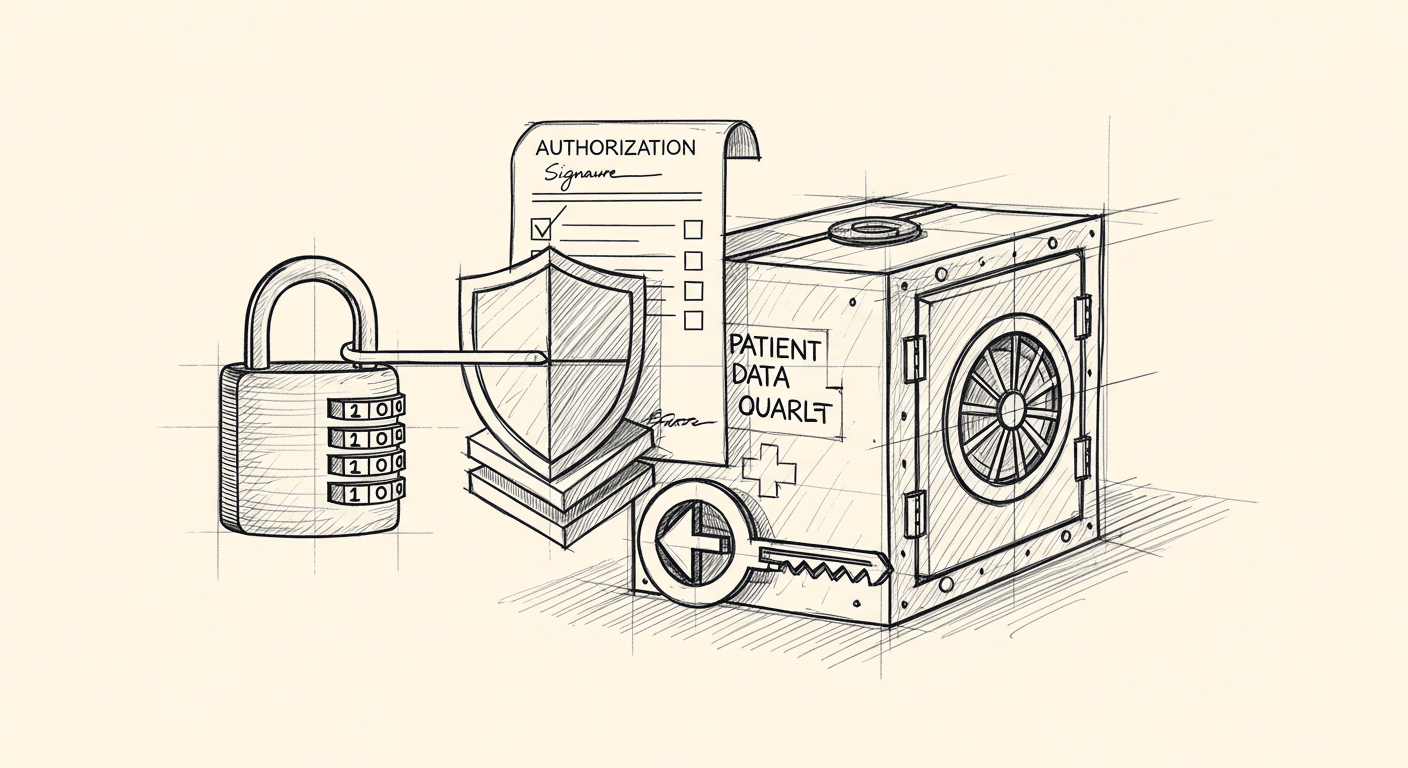
I spent 3 months drowning in HIPAA documentation. Here's what actually matters for engineers building healthcare apps.

HealthcareRead more →